
Reviewed · GOLDEN TRIANGLE TOURS FROM DELHI
Golden Triangle India Tour 4 Days
The big draw here is simple: in four days, you cover Delhi, Agra, and Jaipur, the classic North India circuit, without having to piece together trains, taxis, hotels, and sightseeing on your own. A private air-conditioned car gives you a quiet base between major sights, while the Taj Mahal, Agra Fort, Amber Fort, and Qutub Minar supply the grand moments.
I like the practical setup. Airport or railway-station pickup, three nights of hotel accommodation, breakfast, fuel, tolls, parking, and driver costs are covered. I also like the privacy: your group travels alone, so you can manage the pace better than on a large coach.
The trade-off is a packed schedule. Delhi sightseeing on day one and Jaipur sightseeing on day four leave little room for wandering. Monument tickets, lunches, dinners, camera fees, insurance, and transport to India are extra, so the $375.67 price is a useful starting point rather than the final cost.
Key points to know before booking
- Three major cities in four days: Delhi, Agra, and Jaipur form a fast but logical route through North India.
- A private car for your group: Air-conditioned transport, fuel, tolls, parking, and the driver’s allowance are included.
- The Taj Mahal is the centerpiece: You visit it during your Agra stay, with Agra Fort and Sikandra also included.
- Three-star hotels and breakfast: Three nights and three breakfasts are covered on a double-sharing basis.
- Several drivers have been associated with the service: Names include Akash, Ajay Singh, and Ajay Verma, with Jagjeet Singh noted for Delhi guiding.
- Extra costs need planning: Entrance fees, camera fees, meals beyond breakfast, insurance, and tickets to India are not included.
What this four-day Golden Triangle trip really offers
This is a private, fixed-route tour built around India’s most famous first visit. You begin in Delhi, move south to Agra, then continue to Jaipur before finishing after a final morning of sightseeing.
The route works because each city offers a different side of North India. Delhi gives you imperial monuments, Mughal architecture, and modern government buildings. Agra centers on the Taj Mahal and the Mughal court. Jaipur brings Rajput forts, palace buildings, and the famous pink-painted old city.
You will spend a fair amount of time in the car. That is not a flaw unique to this trip; the three cities are spread across a large area, and road travel is part of the experience. The advantage here is that you do not have to handle the driving yourself, and the vehicle is air-conditioned.
The tour is private rather than shared. That matters most when you are tired, want to pause for photos, or need to adjust the pace for children or older family members. It does not mean every visit becomes leisurely. The schedule still asks you to see a lot in a short time.
More Golden Triangle routes from New Delhi:
- 3-Days Private Golden Triangle Tour: Delhi, Agra & Jaipur by Car
★ 5.0 · 1,107 reviews - 3-Days Private Golden Triangle Tour: Delhi, Agra & Jaipur by Car
★ 5.0 · 1,098 reviews - 3-Day Delhi, Agra and Jaipur Private Tour – India Golden Triangle
★ 5.0 · 812 reviews
Day one: Delhi from Jama Masjid to Qutub Minar
Your Delhi arrival includes pickup from the airport or railway station and assistance on arrival. The stated start time is 9:00 a.m., but the pickup arrangement is designed around arriving in Delhi, so you should confirm the exact meeting details when booking.
The sightseeing list is ambitious. It includes Jama Masjid, Red Fort, Raj Ghat, Humayun’s Tomb, Lotus Temple, Qutub Minar, Rashtrapati Bhawan, Parliament House, and Jantar Mantar. That is a broad sweep of Delhi, from Mughal-era buildings to modern India’s ceremonial center.
Jama Masjid is one of the city’s great early stops. Its broad courtyard and monumental scale make it an effective introduction to Old Delhi. Nearby Red Fort shifts the focus to the Mughal emperors and their former seat of power. The two sights together help you understand how central Delhi was to Mughal rule.
Raj Ghat is a quieter stop, dedicated to Mahatma Gandhi. It offers a pause between larger monuments. If your day feels rushed, this is one place where a short visit may be enough, since the main value is the setting and memorial rather than a long list of rooms or exhibits.
At Humayun’s Tomb, you see an important Mughal garden tomb with a design that helped shape later architecture. The building is less famous than the Taj Mahal, but it is a key stop for understanding the development of Mughal forms. It also gives the day a more measured architectural visit after the heavy traffic and crowds of central Delhi.
The Lotus Temple provides a sharp contrast. Its flower-like white structure is associated with the Bahá’í faith and welcomes people of all religions for quiet reflection. The visit is more about the building and atmosphere than a conventional guided tour.
Qutub Minar is one of Delhi’s essential sights. The tall minaret rises from a complex of early Indo-Islamic buildings and carved stonework. Allow time to look beyond the tower itself. The surrounding ruins explain how the site changed as different rulers shaped Delhi.
You also pass or stop near Rashtrapati Bhawan and Parliament House, the core of India’s national government. These buildings are generally appreciated from the outside, so treat this part as a city overview rather than an interior visit.
Jantar Mantar closes the historical range with scientific instruments built for astronomical observation. Its huge geometric structures make the subject easy to see, even if you are not an astronomy fan.
The weakness of day one is obvious: there are many stops. You may get only a short look at several of them, and traffic can affect the order and duration. I would keep your expectations realistic. This is a first look at Delhi, not a slow study of every monument.
Day two: Sikandra and the Taj Mahal in Agra
After breakfast, you drive to Agra. The first planned stop is Sikandra, the mausoleum of Emperor Akbar. It is a useful addition because it introduces Akbar, one of the Mughal Empire’s most important rulers, before you reach the Taj Mahal.
Sikandra is calmer in tone than the Taj Mahal. Its gateway, gardens, and tomb complex show a blend of architectural influences. The stop also prevents the day from becoming only a rush toward one famous building.
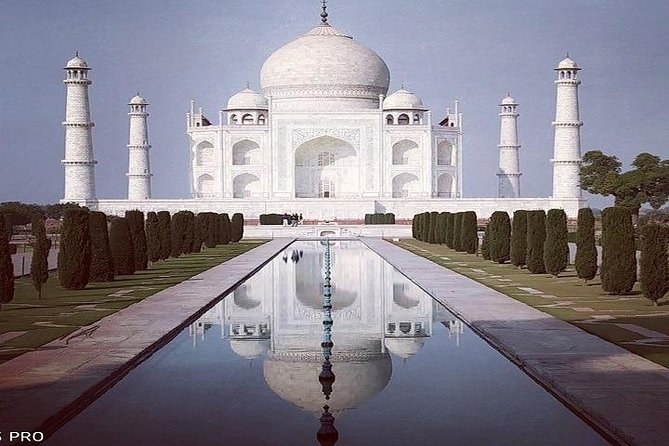
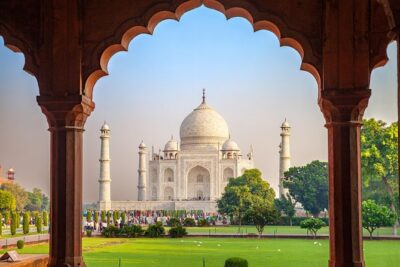
After checking into your Agra hotel, the main visit is the Taj Mahal. This is the moment around which many people plan the whole Golden Triangle. Built by Shah Jahan as a mausoleum for Mumtaz Mahal, it is admired for its balance, white marble, gardens, and changing appearance in the light.
The schedule places the Taj Mahal in the afternoon. That can work well if your arrival is on time and the visit is not delayed. You should still confirm the exact visiting hours and ticket arrangements, since monument entrance fees are not part of the tour price.
The Taj Mahal is not only a photo stop. Take time to notice the symmetry of the garden approach, the calligraphic decoration, the inlaid stonework, and the way the main dome is framed by the four minarets. The interior visit is shorter and more controlled than the exterior grounds, so the gardens and outer platforms deserve your attention.
Your air-conditioned car is particularly useful on this day. Agra can feel hot, and the combination of road travel and a large monument complex can wear you down. A driver who keeps cold water in the car, as has been associated with this service, can make a real difference in summer. Still, you should carry water and dress for the season.
The hotel stay is listed as three-star accommodation. That provides a practical overnight base, but the supplied information does not identify the hotels or guarantee a particular property. Ask for the hotel names before departure if room style, location, or facilities matter to you.
Day three: Agra Fort, Fatehpur Sikri, and Jaipur
Day three begins with Agra Fort, another major Mughal site. Unlike the Taj Mahal, which is primarily a mausoleum, Agra Fort was a fortified palace and political center. Its walls, courtyards, audience halls, and views toward the Taj Mahal show how imperial power worked in daily life.
I find Agra Fort essential because it gives the Taj Mahal context. The Taj represents imperial patronage and personal grief; the fort shows administration, ceremony, defense, and court life. Plan to wear comfortable shoes, since large historic complexes involve walking over uneven surfaces.
After Agra Fort, you continue toward Jaipur with a stop at Fatehpur Sikri. Emperor Akbar built the city as his capital, but it was later abandoned as a main seat of power. The surviving red sandstone buildings make it one of the most memorable stops on the route.
Buland Darwaza, described as the world’s largest gateway, is the visual highlight. Its scale is hard to grasp until you approach it on foot. The palace and religious buildings nearby give you more than a single photo opportunity, though the heat and open spaces can make the visit tiring.
This is one of the longest-feeling days because it combines a morning monument, a major road transfer, and another large historic site. The private vehicle helps because you can store your belongings, rest between stops, and travel directly rather than waiting for a group coach.
By evening, you reach Jaipur and check into the hotel. The city is called the Pink City because of the dominant color of its historic central buildings. You will not have much time for Jaipur sightseeing on this day, so save energy for the following morning.
A few more New Delhi day trips worth putting side by side
- 4 Days Golden Triangle Tour
★ 5.0 · 499 reviews - Private Luxury Delhi – Agra – Jaipur Golden Triangle Tour – 3 Nights 4 Days
★ 5.0 · 306 reviews - Private 4-Day Golden Triangle Tour with Ranthambore Tiger Safari
★ 5.0 · 248 reviews - Private Golden Triangle Tour 3 Night/4 Days – All Inclusive
★ 5.0 · 185 reviews
Day four: Amber Fort and Jaipur’s palace district
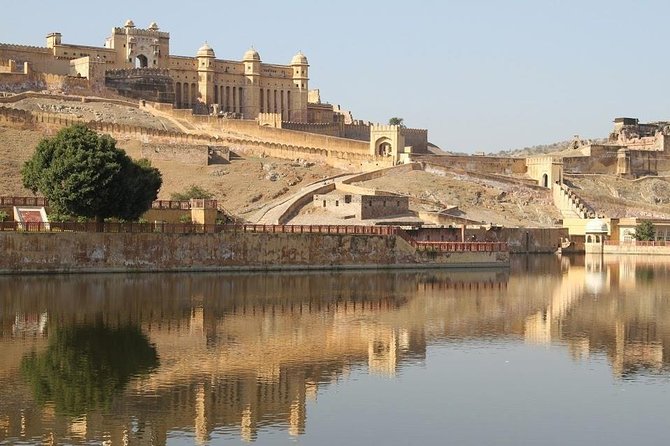
After breakfast, the final sightseeing day begins with Amber Fort and Palace. Set outside the central Jaipur area, Amber is the largest architectural highlight of the city portion of this tour. Its courtyards, gateways, halls, and elevated setting make it a strong finish to the historic circuit.
The fort is best approached as a sequence of spaces rather than one single building. Look at the contrast between defensive walls and refined palace interiors. The site also helps explain the power of the Rajput rulers who governed the region before Jaipur became the main royal center.
You then stop for photographs at Jal Mahal, the water palace. The building appears to float in the middle of Man Sagar Lake, though the visit listed here is a photo stop rather than a full interior tour. This is a quick break, but it gives you one of Jaipur’s most recognizable views.
The City Palace and Museum bring you into the royal center of Jaipur. Expect courtyards, palace façades, and museum displays connected with the city’s ruling family. Since museum visits can take as long as you allow, this is one place where your private format may help you decide whether to linger or move on.
At Jantar Mantar, you see another collection of large astronomical instruments. Compared with Delhi’s site, Jaipur’s version is an especially important part of the city’s planned royal identity. The scale of the instruments makes the science visible, even if you only have a short explanation.
The last photo stop is Hawa Mahal, the Palace of Winds. Its many small windows are one of Jaipur’s best-known façades. A photo stop is enough to appreciate the exterior, but it is not the same as a full visit inside. If the palace interior is important to you, ask in advance if the schedule can accommodate it and if an additional ticket applies.
After sightseeing, the activity ends back at the meeting point. The supplied details do not specify the exact final drop-off location, so confirm that before booking flights or arranging a hotel transfer.
Private transport, drivers, and the pace of the trip
The private air-conditioned vehicle is one of the tour’s strongest practical features. You avoid arranging separate cars in three cities, and fuel, toll taxes, parking fees, and the driver’s allowance are included.
Drivers associated with this service include Akash, Ajay Singh, and Ajay Verma. Jagjeet Singh is noted for Delhi guiding. Driver assignments can change, so you should not assume a particular person will be assigned to your departure.
The distinction between driver and guide matters. The package includes sightseeing and assistance, but it does not clearly state that a full-time licensed guide accompanies you at every monument. One service account specifically refers to complete guiding at the Taj Mahal, but you should confirm which sites include a guide and whether guide fees are separate.
The private format is best for couples, families, and small groups who value control. Solo visitors can also use it, though the per-person price may feel less attractive without companions to share the vehicle and room arrangement.
What the $375.67 price covers, and what it does not
At $375.67 per person, the price includes three nights of accommodation on a double-sharing basis, three breakfasts, private air-conditioned transport, sightseeing transfers, fuel, tolls, parking, driver costs, welcome drink, government taxes, and GST.
That is a solid bundle for a four-day private route, especially if you are arriving at the Delhi airport or railway station and want the first transport step handled. The value improves for two people sharing a room and a private car.
You still need to budget for monument entrance tickets and camera fees. Lunch, dinner, drinks, laundry, personal purchases, travel insurance, airfare, and train tickets are also excluded. These are not minor details in India, where a full day of sightseeing can create extra meal and admission costs.
The biggest price question is the hotel level. Three-star accommodation is included, but property names are not supplied. If you want a specific hotel standard or a central location, ask before paying.
Free cancellation is available if you cancel at least 24 hours before the local start time. Changes or cancellations made inside that window are not accepted for a refund.
Who should book this Golden Triangle tour?
I would choose this tour if you have only four days, want the famous sights, and prefer a private car to independent transport. It is also a good fit if you are arriving in Delhi by air or train and want pickup arranged from the start.
Families may like the private schedule, especially because a child can rest in the car instead of following a large group. Couples and first-time visitors can also benefit from having the route, hotels, and road transfers organized in one package.
I would hesitate if you want long, unhurried visits, independent food stops, or substantial free time in each city. The schedule is full, and several Delhi and Jaipur stops are likely to be brief. I would also ask for exact hotel names, guide arrangements, entrance-fee estimates, and the final drop-off point before booking.
Should you book it?
Book this Golden Triangle tour if your priority is efficient coverage of India’s headline sights with a private air-conditioned car. The Taj Mahal, Agra Fort, Fatehpur Sikri, Amber Fort, and Qutub Minar give you a strong first taste of North India, while breakfast and three-star lodging keep the planning simple.
Skip it if your ideal trip moves slowly. Four days can show you the Golden Triangle, but it cannot fully explain it. For most first-time visitors with limited time, the price is reasonable once you account for private transport and lodging, as long as you plan for monument tickets and meals outside breakfast.
FAQ
How long is the Golden Triangle India tour?
The tour lasts approximately four days and includes Delhi, Agra, and Jaipur.
Where does the tour begin?
Pickup is provided from Delhi Airport or a Delhi railway station. The stated start time is 9:00 a.m.
Is this a private tour?
Yes. Only your group participates in the activity.
What sights are included in Delhi?
Delhi sightseeing includes Jama Masjid, Red Fort, Raj Ghat, Humayun’s Tomb, Lotus Temple, Qutub Minar, Rashtrapati Bhawan, Parliament House, and Jantar Mantar.
Is the Taj Mahal included?
Yes. The Taj Mahal is visited during the Agra portion of the tour.
Are hotel stays included?
Yes. Three nights of accommodation are included on a double-sharing basis in three-star hotels.
Are meals included?
Three breakfasts are included. Lunch, dinner, drinks, and other personal food expenses are not included.
Are monument entrance fees included?
No. Monument entrance fees and camera fees are extra.
Can I cancel for a full refund?
Yes, if you cancel at least 24 hours before the experience start time. Cancellations or changes made less than 24 hours in advance are not refunded or accepted.
Newly reviewed around New Delhi
- Private Customized Tour Of Old/New Delhi Spiritual Sites★ 5.0 · 5 reviews
- Yoga and Meditation Classes in Gurgaon★ 4.5 · 8 reviews
- Yoga class in Delhi★ 5.0 · 29 reviews
- Old Town Delhi Walking Tour (2 Hours Guided Tour with Local)★ 4.5 · 22 reviews
- 5 Days Golden Triangle Tour with Ranthambore(Delhi Agra Jaipur Ranthambore Tour)★ 5.0 · 3 reviews
- Wonderful Old & New Delhi sightseeing tour★ 5.0 · 3 reviews
- Hidden Gems of Old Delhi – Walk★ 5.0 · 8 reviews
- Delhi Zoo White Tigers & lions with Old Fort Visit★ 4.5 · 5 reviews
Golden Triangle Tours from Delhi, compared.
3-Days Private Golden Triangle Tour: Delhi, Agra & Jaipur by Car
Read our review →3-Days Private Golden Triangle Tour: Delhi, Agra & Jaipur by Car
Read our review →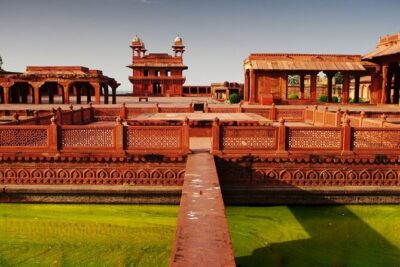
3-Day Delhi, Agra and Jaipur Private Tour – India Golden Triangle
Read our review →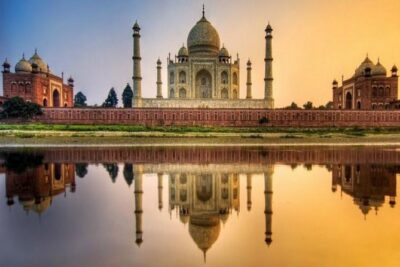
Four-Day Private Luxury Golden Triangle Tour to Agra and Jaipur From New Delhi
Read our review →
5 Nights 6 Days Private Golden Triangle Tour – Delhi Agra Jaipur
Read our review →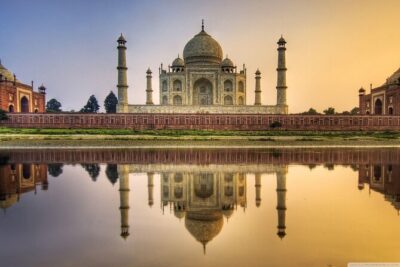

Private Car and Drive for Golden Triangle (4N/5D)
Read our review →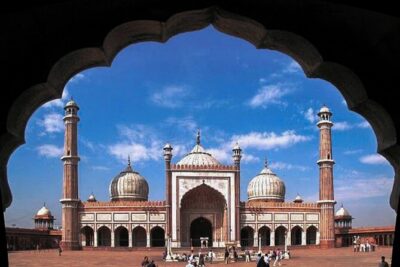
Private Golden Triangle Tour Delhi Agra Jaipur ( Top Rated )
Read our review →Browse the lists this tour appears in