
Reviewed · GOLDEN TRIANGLE TOURS FROM DELHI
From Delhi: 3-Day Private Golden Triangle Tour India
The sunrise visit to the Taj Mahal is the heart of this three-day trip. You reach Agra early, enter with skip-the-line access, and see the white marble monument before the day gets hot. The schedule then links India’s three most famous cities without making you arrange each transfer yourself.
I like the private car and driver, which gives you a quiet place to rest between long sightseeing stops. I also like the mix of guided monuments and short local rides, including a rickshaw through Old Delhi and a golf cart to the Taj Mahal entrance. The main drawback is the pace: Delhi to Agra, Agra to Jaipur, and Jaipur to Delhi make this a busy tour, not a slow cultural stay.
Key points to know before booking
- Sunrise at the Taj Mahal: Arrive early for cooler air, softer light, and skip-the-line entry.
- Three famous cities in three days: Delhi, Agra, and Jaipur are covered with private transport from start to finish.
- Guides who add personality: Saif and Nick have been praised for clear explanations, storytelling, and help with photographs.
- Fatehpur Sikri on the road to Jaipur: This unusual former Mughal capital breaks up the long drive with important architecture.
- Optional hotels and breakfasts: You can choose a package with two nights in Agra and Jaipur, or arrange accommodation separately.
- Cash is useful: Monument tickets are not included, and some sites do not accept credit cards.
What this three-day Golden Triangle route is really like
India’s Golden Triangle is a compact route connecting Delhi, Agra, and Jaipur. Each city offers a different view of the country: Delhi brings imperial avenues, mosques, and modern government buildings; Agra centers on Mughal architecture; Jaipur adds forts, palaces, and the traditions of Rajasthan.
This tour works because the driving is arranged around the sightseeing. You are not constantly finding taxis, comparing train times, or negotiating hotel transfers. A personal driver handles the road while a guide joins you for the monuments.
The trade-off is simple. You see a lot in a short time, but you will spend several hours in the car. The return from Jaipur to Delhi takes about five to six hours, and the drive from Agra to Jaipur also takes a substantial part of the day. I would choose this plan if your time is tight and the major sights matter more than lingering in one city.
The advertised price is $41 per person, but read the booking option carefully. Hotel stays, breakfasts, entry tickets, food, and drinks are not all part of the basic inclusions. The value is strongest for people who want private transportation and guiding at a low starting price, then select the hotel option that suits their budget.
More Golden Triangle routes from New Delhi:
- 3-Days Private Golden Triangle Tour: Delhi, Agra & Jaipur by Car
★ 5.0 · 1,107 reviews - 3-Days Private Golden Triangle Tour: Delhi, Agra & Jaipur by Car
★ 5.0 · 1,098 reviews - 3-Day Delhi, Agra and Jaipur Private Tour – India Golden Triangle
★ 5.0 · 812 reviews
Day 1: Old Delhi, New Delhi, and the road to Agra
Your tour begins with pickup from a Delhi hotel, Gurgaon, Noida, or Delhi Airport. Airport pickup is available at Exit Gate 4 in Terminal 3 Arrivals. Confirm your pickup point and time before setting out, since Delhi traffic can affect the morning schedule.
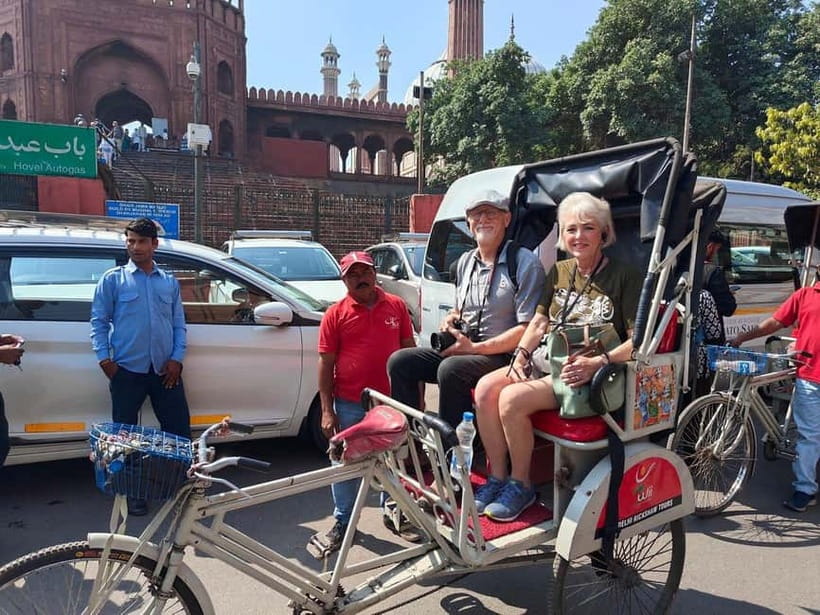
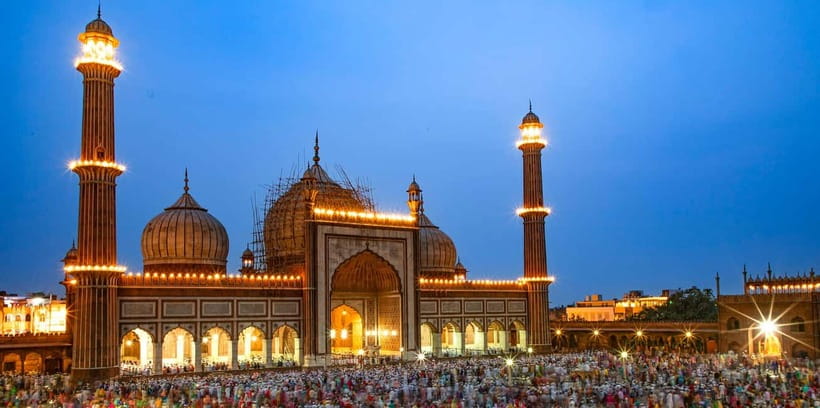
Old Delhi gives you the first strong taste of the capital. A rickshaw ride is included, which is a practical way to see more of the area without trying to walk through every crowded lane. The stop at Jama Masjid adds an important religious and architectural landmark to the morning.
Your guide can explain the setting and customs as you go. One of the strongest aspects of the experience is the chance to ask questions as you move through the sights rather than simply following a fixed audio script. Saif, one of the named guides, is especially good at connecting Mughal monuments with the people and beliefs behind them.
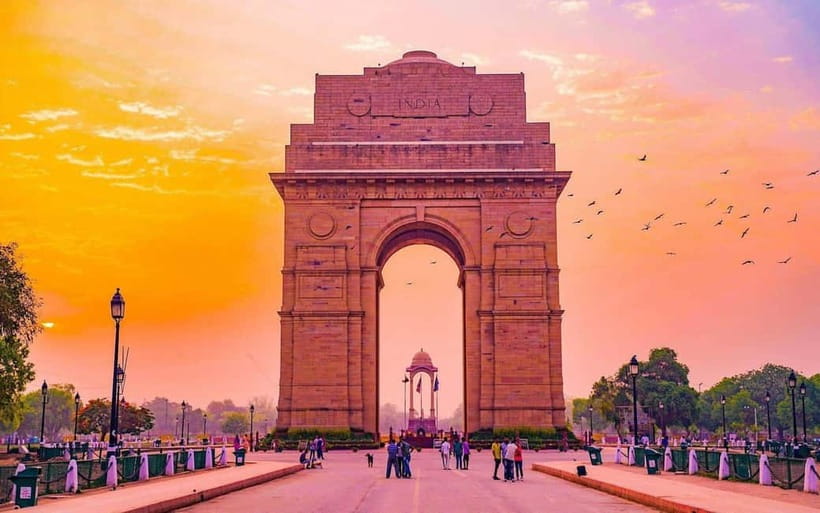
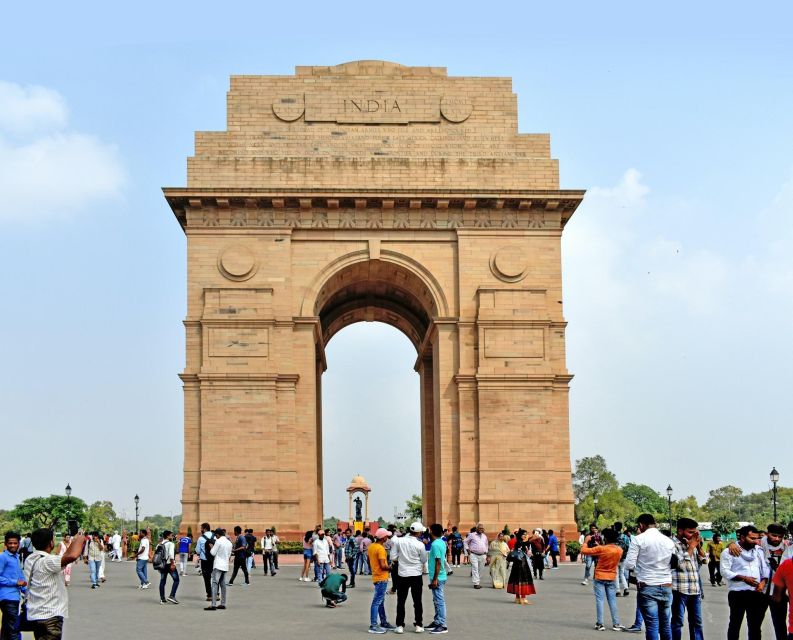
The New Delhi portion shifts the mood. You see India Gate, Qutub Minar, Parliament House, and President’s House, along with a panoramic drive past the Red Fort. Some stops may be viewed from outside or on a drive-by basis, so do not expect a full interior visit to every building listed. That is normal for a three-day route, but it is worth understanding before you book.
Qutub Minar gives you one of the day’s most substantial monument visits. India Gate and the government district are more about the city’s grand layout and modern national identity. Together, these stops show how Delhi combines several eras in one day.
After sightseeing, you travel to Agra on the Yamuna Expressway. The drive takes about three to four hours. Your private vehicle is air-conditioned, and complimentary bottled water is included. For one or two people, the vehicle is a three-seat sedan such as a Toyota Etios or similar. Groups of three to five use a larger wagon such as a Toyota Innova, while groups of six to ten travel in a Tempo Traveler.
You check into your Agra hotel if you selected the hotel package. The evening is left open, which is useful because the next morning begins early. Do not plan a late night if you want to enjoy the Taj Mahal at sunrise.
Day 2: The Taj Mahal before breakfast
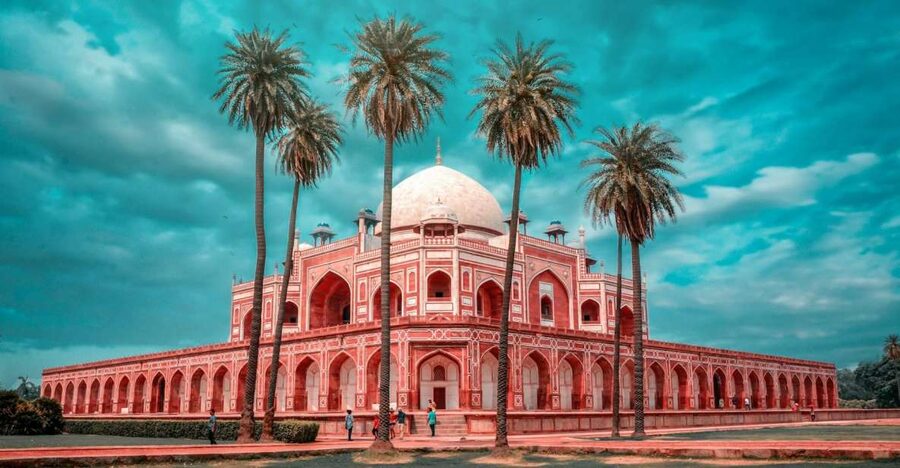
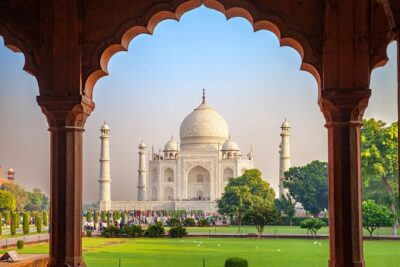
The early start is worth it. The Taj Mahal is calmer and cooler at sunrise, and the changing light gives the marble a softer appearance than it has in the strong afternoon sun. The tour includes guided entry and a golf cart ride between the parking area and the monument entrance.
Skip-the-line access saves time, but it does not remove the need for security checks or the controlled pace at a major landmark. Large bags are not allowed, so bring only what you need. Comfortable shoes, sunglasses, a passport or identification, and some cash are sensible items for the day.
The Taj Mahal is both a tomb and a carefully planned complex of gateways, gardens, water channels, and buildings. A good guide makes the visit much more meaningful by explaining the Mughal setting, the building’s purpose, and the details you might otherwise pass without noticing.
Nick is one guide who has received particularly strong praise for explaining the Taj Mahal in a clear and engaging way. Saif has also been noted for storytelling, answers about Islam, and taking photographs for his visitors. Those details matter because the Taj Mahal can become a quick photo stop if nobody helps you read the site.
The visit is not only about taking the famous front-facing photograph. Give yourself time to look at the symmetry, the carved marble screens, and the way the main building relates to the gardens and river side. Your guide can help you find suitable photo spots, but remember that the monument is busy even during an early visit.
After breakfast, you visit Agra Fort. This red sandstone complex was once a royal residence and defensive stronghold. It is a much larger and more varied place than many first-time visitors expect, with courtyards, halls, walls, and views toward the Taj Mahal.
Agra Fort is where the political side of Mughal power becomes easier to understand. The Taj Mahal presents refinement and mourning, while the fort shows royal administration, military strength, and court life. The two monuments complement each other well, even though the Taj receives most of the attention.
Later, you leave Agra for Jaipur. Fatehpur Sikri provides a valuable stop along the way. This former Mughal capital is known for its red sandstone architecture and unusual sense of space. It is often described as a ghost city because the imperial center was later abandoned, but the surviving buildings make the stop more than a simple roadside break.
Fatehpur Sikri adds another layer to the day. You are no longer seeing only the finished monuments of Agra, but also a former center of power that reveals how quickly royal capitals could change. The stop does extend an already full travel day, so people who dislike long road journeys should consider that carefully.
You reach Jaipur by evening and check in to your hotel if it is included in your selected package. Two nights are included when the hotel option is chosen, one in Agra and one in Jaipur, with daily breakfast. Room arrangements default to single, double, or twin sharing. Groups of three generally receive a triple room with a double bed and an extra bed, while separate rooms cost extra.
Day 3: Jaipur forts, palaces, and observatories
Jaipur is often called the Pink City, but this tour focuses less on wandering the streets and more on its grand royal sites. The day begins with Amber Fort, located on a hill outside the central city.
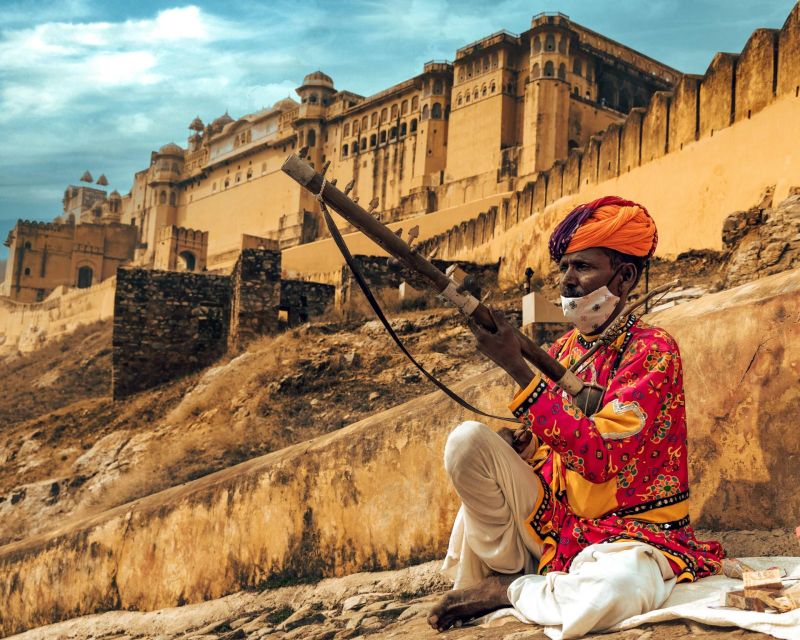
Amber Fort is one of the strongest stops on the route. Its courtyards, gateways, palace rooms, and high position give you both architectural detail and wide views. A jeep ride is available for the ascent, making the visit easier for people who do not want to climb the hill.
Allow time to look beyond the most photographed sections. Amber Fort is designed as a sequence of spaces, from strong outer defenses to more refined royal areas. Your guide can explain how the fort functioned as both a residence and a center of power.
Jal Mahal follows, usually as a photo stop by the water. The palace appears to sit in the middle of the lake, creating one of Jaipur’s most recognizable views. Since the attraction is presented as a sightseeing stop rather than a full interior visit, expect to view it from outside.
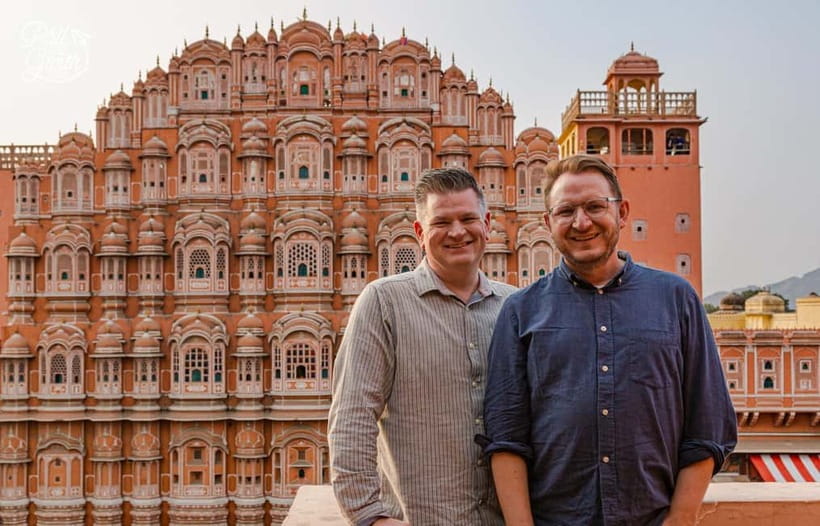
Hawa Mahal is another short but worthwhile stop. The Palace of Winds is famous for its honeycomb-like facade and many small windows. Those openings were designed to allow royal women to observe street life without being seen. From the road, the building can look almost flat, so listen closely to your guide’s explanation of its design.
The City Palace brings you back to Jaipur’s royal household. You can expect courtyards, palace buildings, and displays connected with the city’s ruling family. It provides useful context after Amber Fort because you see both the hilltop stronghold and the later urban center.
Jantar Mantar completes the sightseeing. This UNESCO-listed observatory is filled with enormous instruments used to measure time and track astronomical positions. You do not need a strong interest in science to enjoy it. The scale makes the site memorable, and a guide can explain how the instruments were used rather than leaving you to guess.
In the afternoon, you begin the return drive to Delhi. The journey takes about five to six hours, with drop-off at your Delhi hotel or airport. If you have an evening flight, confirm the timing carefully. Delhi traffic and the long distance from Jaipur can make this final transfer tiring, even with a private car.
A few more New Delhi day trips worth putting side by side
- 3-Day Private Luxury Golden Triangle Tour to Agra and Jaipur From New Delhi
★ 5.0 · 424 reviews - 3-Day Luxury Golden Triangle Tour: New Delhi, Agra & Jaipur
★ 5.0 · 246 reviews - Award-Winning 3-Day Private Golden Triangle Tour of India
★ 5.0 · 240 reviews - 3-Day Private Golden Triangle Tour to Agra &Jaipur from New Delhi
★ 5.0 · 116 reviews
Guides, drivers, and the value of a private vehicle
A private tour gives you more control than a large coach. You can ask questions freely, travel with your own group, and avoid waiting for strangers at each hotel or monument. The driver also takes you directly between cities, which is especially useful when carrying luggage.
The vehicle sizes are tied to group size, so choose the right option when booking. A sedan is suitable for one or two people, while larger groups need the wagon or van. The information provided does not promise luxury vehicles, but it does specify air conditioning and a uniformed personal driver.
The guides are an important part of the experience. Saif has been praised for bringing people and religious ideas into his explanations, while Nick has been especially effective at making the Taj Mahal’s story easy to follow. A guide who takes photographs can also be helpful when you are visiting as a solo guest.
The driver adds value during the long transfers. Jeetu, one named driver, has been appreciated for introducing Hindi music and discussing Indian culture and economics during the drives. That kind of informal conversation can make several hours on the highway feel less like dead time.
Still, your guide may change depending on availability and language. English, French, German, Russian, and Spanish are offered, so select the correct language when booking. The experience is private, but the sightseeing pace remains fixed by the distance between cities.
What is included, and what will cost extra
The tour includes hotel pickup and drop-off, an air-conditioned private vehicle, a personal driver, guided visits, a Delhi rickshaw ride, bottled water, and the Taj Mahal golf cart. Hotel accommodation and daily breakfast are included only when you select that option.
Monument entry tickets are not included. This keeps the starting price low, but you should set aside cash in Indian rupees. Some monuments do not accept credit cards, and a guide can help you find an ATM if needed.
Food and drinks are also extra. That gives you flexibility, though you will need to manage meals around a packed schedule. A mandatory gala dinner fee applies around New Year’s Eve, from December 24 through January 4 each year.
At $41 per person, the tour can offer very good value if the base price matches your selected package. The low figure should not be read as an all-inclusive final cost. Add hotel charges, entry tickets, meals, and any room upgrade before comparing it with other private tours.
Timing changes and practical limits
The Taj Mahal is closed on Fridays. If your dates include Friday, the route changes to Delhi, Jaipur, Agra, and back to Delhi, so the order of the cities is reversed.
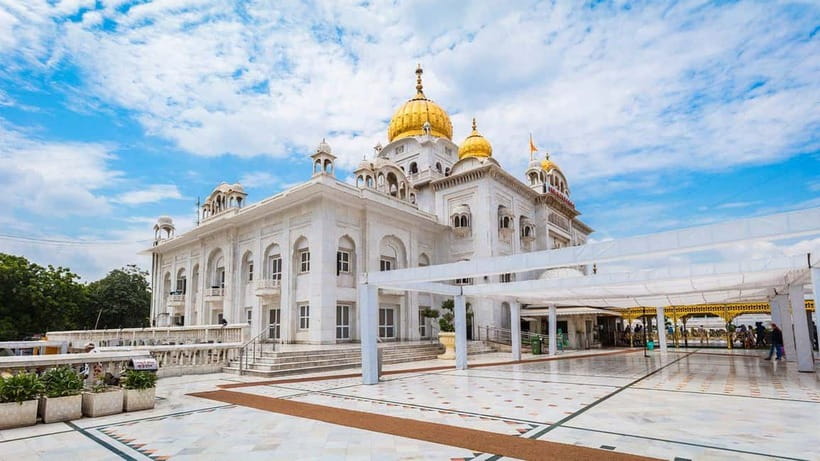
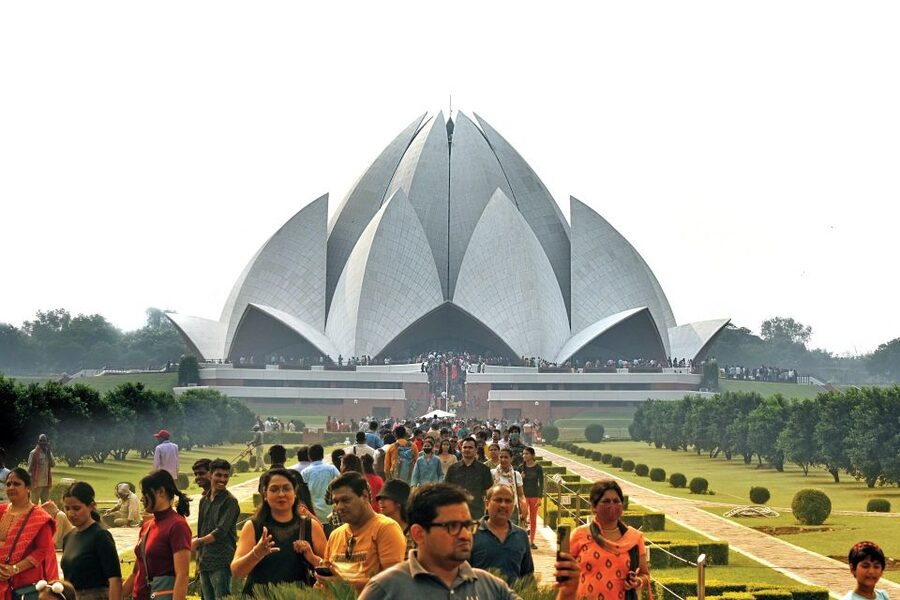
The Red Fort and Lotus Temple are closed on Mondays. On those days, the Delhi program includes Gurudwara Bangla Sahib instead. This is a sensible replacement, but the exact feel of the day changes, so check your dates before you book.
Large bags are not permitted at the Taj Mahal and may create problems at other monuments. Pack light for the sightseeing portions, and carry your passport or identification, comfortable shoes, sunglasses, and cash.
Free cancellation is available up to 24 hours before the start time, and you can reserve now and pay later. The tour is wheelchair accessible, but the three-day schedule and long drives may still require careful planning for anyone who needs frequent rest stops.
Who should book this Golden Triangle tour?
I would recommend it to a first-time visitor who wants the major sights with minimal transport planning. It suits couples, families, solo visitors, and small private groups who value their own driver and guide.
It is also a good fit if you have only three days in northern India. You will see the Taj Mahal, Agra Fort, Fatehpur Sikri, Amber Fort, Jaipur’s central sights, and key Delhi landmarks without organizing several separate bookings.
I would hesitate if you want long afternoons in markets, relaxed meals, or time to explore each city independently. The route is tightly packed, and the Jaipur to Delhi return can be tiring. I would also check the final cost carefully if you need separate hotel rooms, since room sharing is assigned by default.
Book this tour if your priority is efficient sightseeing, private transport, and a guided sunrise visit to the Taj Mahal. Skip it, or choose a longer itinerary, if you prefer a slower pace. For a short first look at Delhi, Agra, and Jaipur, the plan covers a lot and keeps the most difficult logistics under control.
FAQ
How long is the tour?
The tour lasts three days and includes Delhi, Agra, and Jaipur, with a return to Delhi on the third day.
Is hotel accommodation included?
Two hotel nights in Agra and Jaipur are included only if you select the option with hotel stays. Daily breakfast is also included with that option.
Is the Taj Mahal open every day?
The Taj Mahal is closed on Fridays. When the tour falls on a Friday, the route changes to Delhi, Jaipur, Agra, and Delhi.
Are monument entrance tickets included?
No. Entry tickets are not included, so you should carry cash in Indian rupees because some monuments do not accept credit cards.
Where can pickup and drop-off take place?
Pickup is available from hotels in Delhi, Gurgaon, and Noida, as well as Delhi Airport at Exit Gate 4 in Terminal 3 Arrivals. Drop-off can be arranged at a Delhi hotel or airport.
What vehicle will I use?
One or two people travel in a three-seat sedan such as a Toyota Etios or similar. Groups of three to five use a six-seat wagon such as a Toyota Innova, and groups of six to ten use a ten-seat van.
What happens when the Red Fort and Lotus Temple are closed?
Both are closed on Mondays. On those days, the Delhi sightseeing plan includes Gurudwara Bangla Sahib instead.
Newly reviewed around New Delhi
- Private Customized Tour Of Old/New Delhi Spiritual Sites★ 5.0 · 5 reviews
- Yoga and Meditation Classes in Gurgaon★ 4.5 · 8 reviews
- Yoga class in Delhi★ 5.0 · 29 reviews
- Old Town Delhi Walking Tour (2 Hours Guided Tour with Local)★ 4.5 · 22 reviews
- 5 Days Golden Triangle Tour with Ranthambore(Delhi Agra Jaipur Ranthambore Tour)★ 5.0 · 3 reviews
- Wonderful Old & New Delhi sightseeing tour★ 5.0 · 3 reviews
- Hidden Gems of Old Delhi – Walk★ 5.0 · 8 reviews
- Delhi Zoo White Tigers & lions with Old Fort Visit★ 4.5 · 5 reviews
Golden Triangle Tours from Delhi, compared.
3-Days Private Golden Triangle Tour: Delhi, Agra & Jaipur by Car
Read our review →3-Days Private Golden Triangle Tour: Delhi, Agra & Jaipur by Car
Read our review →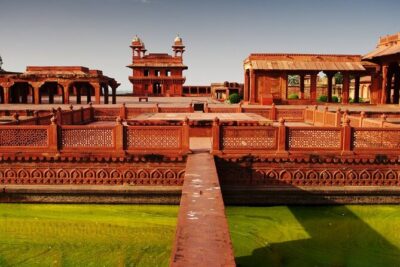
3-Day Delhi, Agra and Jaipur Private Tour – India Golden Triangle
Read our review →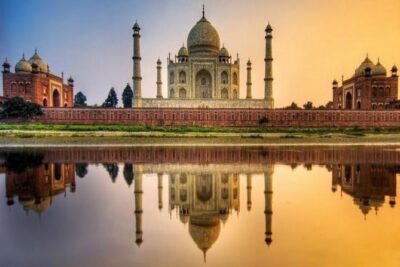
Four-Day Private Luxury Golden Triangle Tour to Agra and Jaipur From New Delhi
Read our review →
5 Nights 6 Days Private Golden Triangle Tour – Delhi Agra Jaipur
Read our review →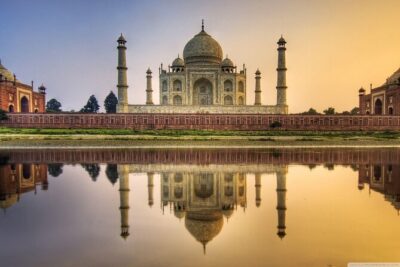

Private Car and Drive for Golden Triangle (4N/5D)
Read our review →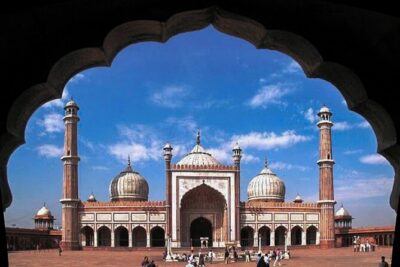
Private Golden Triangle Tour Delhi Agra Jaipur ( Top Rated )
Read our review →Browse the lists this tour appears in