
Reviewed · GOLDEN TRIANGLE TOURS FROM DELHI
Golden Triangle Tour 3 Days – Flexible Itinerary with Local Guide
The best part of this three-day Golden Triangle tour is the private, door-to-door format. You move from Delhi to Agra to Jaipur with your own car, driver, and local guide in each city, rather than losing time in a large group. The Taj Mahal at sunrise is the clear centerpiece, but Delhi’s old streets and Jaipur’s forts give the trip a useful sense of India beyond one famous monument.
I like the way you can move at your own pace, and I like the practical city-by-city guide arrangement. Vimpul is available to request for Delhi, while Gaurav Bhatt has been especially praised for Jaipur, including his skill with photos. The main caution is the schedule: three cities in three days means early starts, long road transfers, and little spare time.
Key points to know before booking
- Taj Mahal at about 5:30 AM: You reach Agra’s most famous monument in the cooler, softer morning light.
- Three private city guides: Delhi, Agra, and Jaipur each have their own local guide rather than one guide covering the entire route.
- Old Delhi by rickshaw: Chandni Chowk includes time for its spice market and a rickshaw ride.
- Flexible private transport: Vehicle size depends on your party, with sedan, Kia Carens, Toyota Crysta, van, or AC traveler options.
- Entrance fees are extra: Plan on roughly Rs. 5,000 per adult in total, paid in cash to the guide.
- Strong guide feedback: The most praised names are Vimpul in Delhi, Gaurav Bhatt in Jaipur, Devendra, and driver Shelondra.
Why this three-day route works
Delhi, Agra, and Jaipur form India’s classic Golden Triangle. The route is popular for good reason: each city offers a different view of the country. Delhi gives you Mughal monuments, colonial-era landmarks, religious buildings, and crowded old markets. Agra centers on the Taj Mahal and Mughal power. Jaipur brings forts, palace architecture, observatory instruments, and Rajasthan’s royal style.
At $190.20 per person, the price is reasonable if you value privacy and transport. Your package includes local guides, an air-conditioned vehicle, tolls, parking, GST, and bottled water. It does not include hotels, meals, gratuities, or admission fees, so the advertised price is not your final spend.
The private format matters most when you are traveling as a couple, family, or small group. You do not wait for strangers at every hotel or spend the day following a fixed group pace. You can also choose a larger vehicle by upgrading, which may be worthwhile if you prefer more room during the road sections.
The trade-off is intensity. You are not slowly settling into one city. You are seeing major sights, checking into a hotel, and preparing for the next early start. I would choose this plan for a first visit with limited time, not for a relaxed holiday.
More Golden Triangle routes from New Delhi:
- 3-Days Private Golden Triangle Tour: Delhi, Agra & Jaipur by Car
★ 5.0 · 1,107 reviews - 3-Days Private Golden Triangle Tour: Delhi, Agra & Jaipur by Car
★ 5.0 · 1,098 reviews - 3-Day Delhi, Agra and Jaipur Private Tour – India Golden Triangle
★ 5.0 · 812 reviews
Day one: Old Delhi, memorials, and the road to Agra
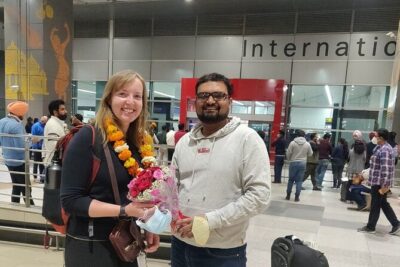
Your first day begins with pickup in New Delhi. At the airport, an English-speaking chauffeur waits near the exit with a sign bearing your name. The initial airport transfer is listed as about 15 minutes, though your exact drive time depends on where you are collected and where the day begins.
The first major stop is Chandni Chowk in Old Delhi. This is where the tour feels most immediate and local. You walk through crowded lanes, see the spice market, and take a rickshaw ride. The area can be noisy and hectic, but that is exactly why it works early in the trip. It gives you a quick sense of Delhi’s street life before you move on to polished monuments.
Allow about an hour here. Wear comfortable shoes, keep your belongings secure, and stay close to your guide in the narrow lanes. The rickshaw ride is short, but it adds a welcome change from sitting in the car.
Next comes Jama Masjid, one of India’s largest mosques. The visit is scheduled for about an hour. Your local guide can provide the setting and explain what you are seeing, which makes this more useful than a quick photograph from outside. As with any active religious site, dress and behavior should be respectful.
Lunch is not included. After Old Delhi, you can stop for a meal anywhere in Delhi, with the guide and driver helping you choose a suitable place. This flexibility is useful because you are not tied to a preselected restaurant, though you should remember that the meal cost is yours.
After lunch, the route shifts from Old Delhi’s crowded lanes to the calm, modern form of the Lotus Temple. Its flower-like design is the main visual draw, while its quiet atmosphere offers a clear contrast to Chandni Chowk. The visit takes about an hour.
Raj Ghat follows, with about 30 minutes at the memorial to Mahatma Gandhi. It is a simple, reflective stop rather than a grand monument. India Gate then brings you to one of New Delhi’s best-known public landmarks. The schedule lists 20 minutes, which is enough for photographs and a brief explanation of the memorial’s connection to soldiers of the Indian Army who died in World War I and the Third Anglo-Afghan War.
The listed timing for India Gate says 20 hours, which is clearly inconsistent with the rest of the schedule. You should treat this as a short stop, not an overnight visit.
The drive past Rashtrapati Bhavan gives you a look at India’s presidential residence and the formal government quarter. You do not appear to have a long interior visit here. Instead, it is part of the drive as you leave Delhi for Agra.
The road to Agra is the day’s less glamorous section. After a full day of sightseeing, you arrive at your Agra hotel, check in, and have about three hours of free time. That pause is useful because day two begins very early.
Day two: Taj Mahal sunrise and Agra Fort
Your Agra morning begins around 5:30 AM. The chauffeur and guide collect you from the hotel and take you to the Taj Mahal. This early start is not optional in practical terms if you want the sunrise experience, so arrange your evening with that in mind.
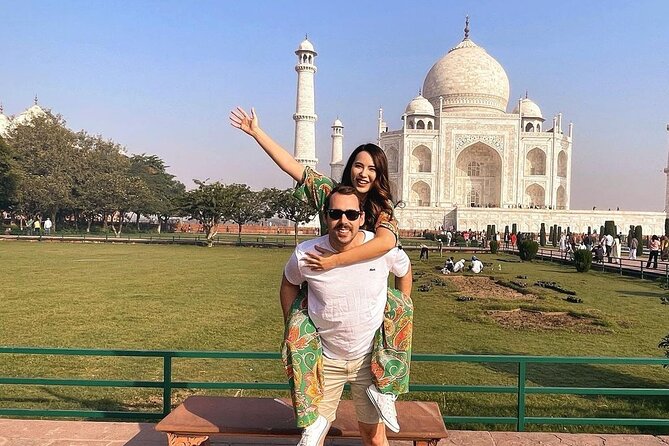
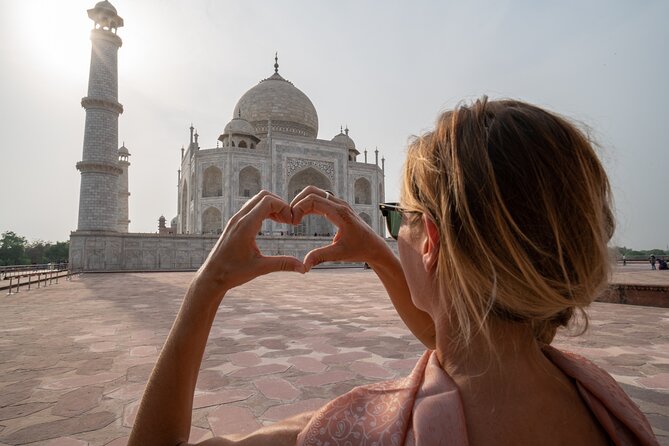
The Taj Mahal at first light is the strongest reason to choose this tour. The white marble changes with the morning light, and the cooler temperature makes the visit more comfortable than a later daytime arrival. You receive a guided visit lasting about two hours, giving you time to see the monument and hear the story behind its construction.
The guide is especially useful here. The Taj Mahal can look simple from a distance, but its layout, symmetry, decorative details, and Mughal setting reward explanation. A guide also helps you use your limited morning time efficiently.
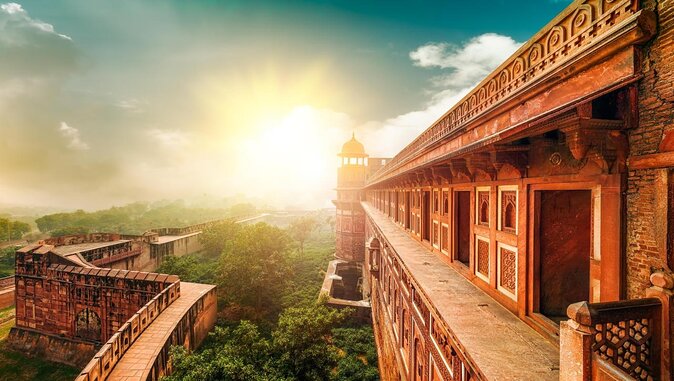
Afterward, breakfast is planned, but it is not included in the tour price. You then check out of the Agra hotel and visit Agra Fort for about an hour. This massive red sandstone complex was a residence of Mughal emperors, and its courtyards, halls, and defensive walls give you a more substantial sense of imperial life than a quick photo stop.
The Taj Mahal is the emotional high point, while Agra Fort supplies the context. Seeing both on the same morning makes sense: one is a monument of love and memory, the other a seat of power and administration.
After Agra Fort, you drive to Jaipur. This is another substantial road section, and you should not expect a long list of sightseeing stops along the way. On arrival, you check into your Jaipur hotel and have time to rest before the final day.
Day three: Jaipur’s forts, palaces, and observatory
Jaipur begins after breakfast with a pickup from your hotel. The morning combines famous photo stops with larger historical sites, so the order matters less than keeping enough energy for Amber Fort and the City Palace.
Hawa Mahal, the Palace of Breeze, is first. Its honeycomb-like facade is one of Jaipur’s most recognizable sights. The scheduled visit is about 30 minutes, which suggests a short stop rather than an extended interior tour. It is a good place for photographs and a brief introduction to Jaipur’s royal architecture.
You then visit Panna Meena ka Kund, an old stepwell established in the 16th century during the reign of Maharaja Jai Singh. Stepwells are practical structures as well as architectural works, using repeated stairs and geometric forms to reach stored water. The stop is planned for about an hour, giving you more time than a quick roadside photograph.
Amber Fort, also called Amber Palace in the schedule, is the major Jaipur sight. Allow about an hour for the guided visit. Its courtyards, halls, and detailed decoration show the power and taste of Rajasthan’s ruling families. The fort is more expansive than Hawa Mahal, so comfortable footwear matters.
The private car is valuable in Jaipur because the day includes several separate locations. You are not trying to connect them by public transport while watching the clock. The tour also provides bottled water throughout, a small but helpful detail during a long sightseeing day.
Jal Mahal comes next as a 15-minute photo stop. The Water Palace appears to float in the middle of the lake, combining Rajput and Mughal design elements. The short stop is enough for views and photographs, but do not expect a long palace visit here.
Lunch is again at your own expense. The driver and guide can suggest places, and the schedule allows a break before the afternoon sights. I would use this pause rather than rushing through it. Jaipur’s final stops require attention, especially if you enjoy architecture and science.
The City Palace is a large complex of courtyards and royal buildings. The visit takes about an hour and gives you another view of Jaipur’s court life after Amber Fort’s defensive setting. Where Amber feels like a hill fort, the City Palace feels more like an active royal complex.
Jantar Mantar completes the sightseeing. This UNESCO World Heritage Site is one of the largest astronomical observatories ever built. Its enormous instruments may look abstract at first, but a guide can explain how they were used to track time and celestial positions. Do not skip this stop simply because the forts have taken most of your attention. It is one of Jaipur’s most unusual attractions.
After Jaipur sightseeing, you can shop. The supplied details do not specify the markets, duration, or included transport arrangement for shopping, so treat it as optional time rather than a guaranteed retail program.
A few more New Delhi day trips worth putting side by side
- 3-Day Private Luxury Golden Triangle Tour to Agra and Jaipur From New Delhi
★ 5.0 · 424 reviews - 3-Day Luxury Golden Triangle Tour: New Delhi, Agra & Jaipur
★ 5.0 · 246 reviews - Award-Winning 3-Day Private Golden Triangle Tour of India
★ 5.0 · 240 reviews - 3-Day Private Golden Triangle Tour to Agra &Jaipur from New Delhi
★ 5.0 · 116 reviews
Guides who can shape the experience
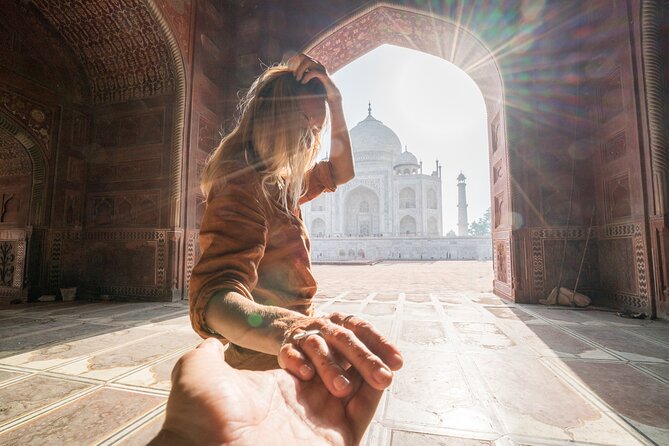
You receive a separate private local guide in Delhi, Agra, and Jaipur. That setup is better than relying on one person to explain three very different cities. Each guide can focus on the architecture, customs, and stories most relevant to that place.
You may request Vimpul for New Delhi and Gaurav Bhatt for Jaipur, subject to availability. Gaurav has received especially warm praise for Jaipur and for taking photographs, which can matter to solo visitors who do not want to rely on strangers for every picture.
Devendra is also named in the tour feedback as part of one particularly appreciated guide team. The driver Shelondra was praised for making a solo passenger comfortable and going beyond basic transfers. I would include guide requests when booking, but I would not treat a requested name as guaranteed unless the company confirms it.
The guides are not just there to point out buildings. They can help explain what you are seeing, answer questions, adjust the pace, and arrange entrance tickets in advance. That last point saves time at busy monuments, although you still pay the exact admission amount separately.
Vehicle choices and comfort on the road
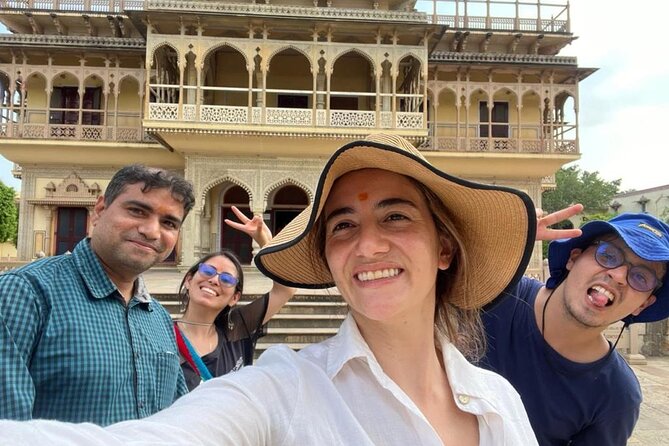
For one or two people, the standard vehicle is a four-seat air-conditioned sedan, with an SUV upgrade available. Three people receive a Kia Carens, with a Toyota Crysta upgrade. Groups of four or five use a new Toyota Crysta, with a van upgrade available.
Groups of six to nine use an air-conditioned traveler vehicle with Maharaja seats, and an Urbania upgrade is offered. The vehicle choice matters because the route includes long transfers between Delhi, Agra, and Jaipur, not just short city rides.
Ask about the vehicle option before paying if you are carrying large bags or simply want more room. The tour covers toll taxes and parking, which removes several small costs that can otherwise add up. Bottled water is provided throughout.
This is a private activity, so only your own group participates. That gives you more control than a shared coach, but the roads and traffic still set the pace. Private transport cannot remove the distance between the three cities.
What the $190.20 price really covers
The $190.20 per-person price works best as a transport-and-guiding package. You receive private guides, private air-conditioned transport, parking, tolls, GST, and water. For a short first visit, that combination can be good value because arranging three cities independently would require separate drivers, transfers, and local guides.
You must budget extra for hotel rooms, meals, gratuities, and monument admission. Entrance fees total about Rs. 5,000 per adult for the whole tour, paid in cash to the guide at the end of sightseeing. The guides arrange tickets in advance, so you do not have to wait in the standard ticket lines.
The exact final cost depends on your group size, vehicle upgrades, hotel choices, meals, and tips. Group discounts are offered, but the details are not specified. For a solo visitor, the per-person cost may feel high compared with public transport. For two or more people sharing a private car, the value improves.
Who should book this Golden Triangle tour
I would recommend this tour to you if you have only three days and want the main sights handled efficiently. It suits first-time visitors who prefer a private car, direct hotel pickup, local explanations, and a flexible pace within a busy schedule.
It also fits solo visitors who want help with navigation and photographs. The positive feedback about Vimpul, Gaurav Bhatt, Devendra, and Shelondra suggests that guide and driver selection can make a real difference, so make those requests early.
I would be more cautious if you dislike early mornings, long road journeys, or frequent hotel changes. You will see a lot, but you will not have time to linger in each city. If you want a slower cultural trip, add extra nights in Agra and Jaipur.
The activity is near public transportation, service animals are allowed, and most people can participate. Confirmation is received at booking. Free cancellation is available up to 24 hours before the start time, while poor weather or failure to meet the minimum group size can lead to a different date or a full refund.
Should you book it?
Book this Golden Triangle tour if your priority is seeing Delhi, the Taj Mahal, and Jaipur’s major sights in a private three-day run. The early Taj Mahal visit, separate city guides, and flexible transport give it real practical value.
Skip it if you want slow mornings and unplanned time. The route is full, the entrance fees and meals are extra, and the road transfers take patience. For a short first visit, though, this is a well-organized way to cover India’s most famous northern circuit without managing every transfer yourself.
FAQ
Is this a private tour?
Yes. This is a private activity, and only your own group participates.
Which cities does the tour visit?
The tour visits New Delhi, Agra, and Jaipur over approximately three days.
Is airport pickup available in Delhi?
Yes. An English-speaking chauffeur waits at the airport exit with a sign showing your name.
Is the Taj Mahal visit at sunrise?
Yes. The Agra pickup is planned for about 5:30 AM for a sunrise visit to the Taj Mahal.
Are hotels included?
No. Hotel bookings are not included. The schedule includes hotel stays in Agra and Jaipur, but you must arrange and pay for them.
Are meals included?
No. Meals are not included. Lunch and breakfast stops are planned, and the guide or driver can suggest places to eat.
Are monument entrance fees included?
No. Total entrance fees are about Rs. 5,000 per adult. The guide arranges tickets in advance, and you pay the exact ticket cost in cash at the end of sightseeing.
Newly reviewed around New Delhi
- Private Customized Tour Of Old/New Delhi Spiritual Sites★ 5.0 · 5 reviews
- Yoga and Meditation Classes in Gurgaon★ 4.5 · 8 reviews
- Yoga class in Delhi★ 5.0 · 29 reviews
- Old Town Delhi Walking Tour (2 Hours Guided Tour with Local)★ 4.5 · 22 reviews
- 5 Days Golden Triangle Tour with Ranthambore(Delhi Agra Jaipur Ranthambore Tour)★ 5.0 · 3 reviews
- Wonderful Old & New Delhi sightseeing tour★ 5.0 · 3 reviews
- Hidden Gems of Old Delhi – Walk★ 5.0 · 8 reviews
- Delhi Zoo White Tigers & lions with Old Fort Visit★ 4.5 · 5 reviews
Golden Triangle Tours from Delhi, compared.
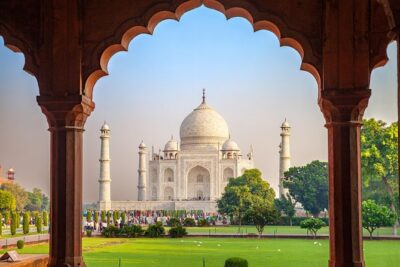
3-Days Private Golden Triangle Tour: Delhi, Agra & Jaipur by Car
Read our review →3-Days Private Golden Triangle Tour: Delhi, Agra & Jaipur by Car
Read our review →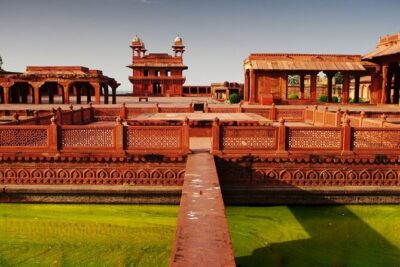
3-Day Delhi, Agra and Jaipur Private Tour – India Golden Triangle
Read our review →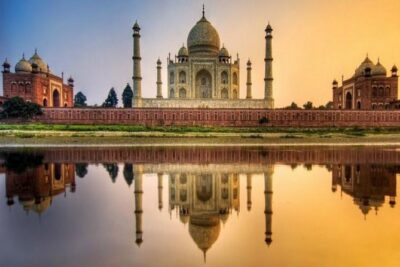
Four-Day Private Luxury Golden Triangle Tour to Agra and Jaipur From New Delhi
Read our review →
5 Nights 6 Days Private Golden Triangle Tour – Delhi Agra Jaipur
Read our review →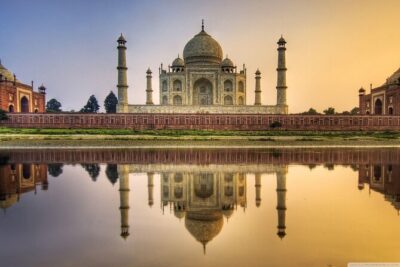
Private Car and Drive for Golden Triangle (4N/5D)
Read our review →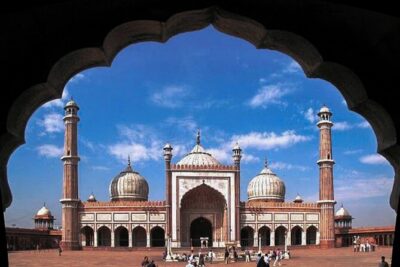
Private Golden Triangle Tour Delhi Agra Jaipur ( Top Rated )
Read our review →Browse the lists this tour appears in