
Reviewed · VARANASI TOURS FROM DELHI
7-Day Golden Triangle & Varanasi Tour from Delhi with Guide
The most powerful part of this seven-day circuit is its contrast: you move from Jaipur’s royal palaces to the Taj Mahal, then on to the sacred Ganges in Varanasi. I like that private transport keeps the route flexible, and that guides such as Salau in Jaipur and Agra and Janak in Varanasi can add local context rather than leaving you to read plaques.
I also like the sunrise Taj Mahal visit and the early-morning walk by the Ganges, two moments when these famous places feel most atmospheric. The trade-off is a packed schedule, with long road journeys and two overnight train movements. You’ll see a lot in seven days, but this is not a slow, restful holiday.
Key points to know before booking
- Four major destinations in one circuit: Delhi, Jaipur, Agra, and Varanasi are connected in a tightly planned seven-day route.
- Sunrise at the Taj Mahal: The early visit gives you cooler temperatures and softer light, though the start can be demanding.
- Private vehicle for road transfers: Vehicle size depends on your party, from a Tata Indigo or Swift Dzire for one to three people to a Tempo Traveler for seven to ten.
- Overnight air-conditioned trains: Sleeping-berth rail travel helps cover the long distance between Agra, Varanasi, and Delhi.
- Strong guide and driver support: Salau, Janak, Amit, and Ibrahim are named in the available tour information as guides or staff praised for service and local insight.
- A useful package for first-time visitors: Hotels, four breakfasts, transport, train tickets, and selected guides are included, but entrance tickets, meals, drinks, tips, and personal costs are extra.
What this seven-day India route does well
At $675 per person, this tour is priced as a practical package rather than a luxury trip. You are paying for accommodation, private air-conditioned transport, round-trip train tickets with sleeping berths, four breakfasts, airport or hotel pickup, and guiding in Jaipur and Agra. That can be good value in India, where arranging several long transfers and train tickets yourself takes time and patience.
The price needs careful reading. The package includes four nights of accommodation, while the full route is described as six nights. The two overnight train journeys account for the difference. You should expect rail travel to replace hotel nights, not assume that every night is spent in a private room.
The tour is private, so only your own party takes part. That matters when you are traveling with family or friends and want the vehicle and day to stay focused on your group. It also means you may have more room to ask questions or adjust the pace, although the major distances still set the rhythm.
The best staff support appears to come from the driver and city guides. Amit is noted for being courteous and available, while Salau is associated with strong explanations across the Delhi, Jaipur, Agra, and Varanasi route. Janak is the named Varanasi guide, and Ibrahim is specifically connected with the Taj Mahal experience. Guide assignments can vary, but these names give you a useful idea of the local support available.
More Varanasi trips from New Delhi:
- Delhi Agra Jaipur & Varanasi Tour – Taj Mahal & Ganga Aarti
★ 5.0 · 50 reviews - 9 – Days Private Golden Triangle Tour with Khajuraho & Varanasi
★ 5.0 · 22 reviews - 6-Day Private Tour of Delhi, Agra, Jaipur, and Varanasi from Delhi
★ 5.0 · 19 reviews
Day 1: Delhi pickup and Jaipur’s royal center
Your journey begins with pickup at Indira Gandhi International Airport or your Delhi hotel. The first transfer takes you to Jaipur, so the opening day is partly a road day. After checking in, you begin seeing the Pink City with the City Palace and Hawa Mahal.
Jaipur’s City Palace is a large complex with the Chandra Mahal, Mubarak Mahal, courtyards, and other royal buildings. Allow about two hours here. The palace gives you a strong introduction to Rajasthan’s rulers, decorative arts, and court life, and it is more rewarding with a guide who can explain how the different sections were used.
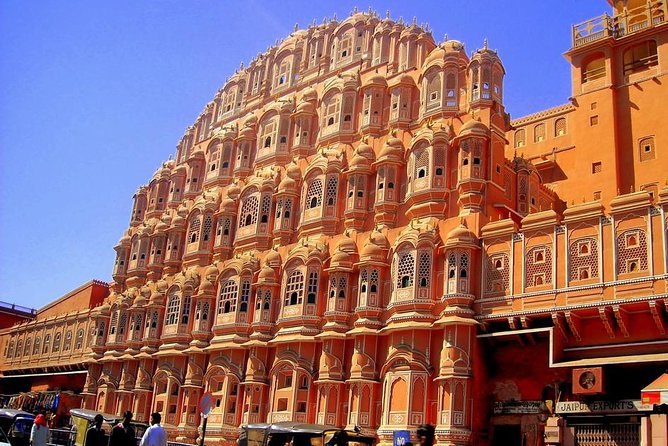
Hawa Mahal, or Palace of Wind, is one of Jaipur’s most recognizable sights. Its pink and red sandstone facade was built along the edge of the City Palace and extends toward the women’s quarters. The visit is shorter, listed at about an hour, but the building is an essential Jaipur stop.
A practical point: the schedule gives you a city tour after a transfer from Delhi. If your pickup is early, you can get a useful first day in Jaipur. If airport arrival or road conditions delay the start, the day may feel compressed. The tour does not promise a particular amount of free time for shopping or wandering, so plan on sightseeing rather than a relaxed arrival afternoon.
Day 2: Amber Fort and the lake palace
Amber Palace, also called Amer Fort, is the main attraction outside Jaipur. The hilltop complex is about 11 kilometers from the city and receives a generous three-hour visit. That time lets you look beyond the outer walls at the courtyards, palace rooms, and views across the surrounding area.
I like this stop because it gives the tour a different scale from the City Palace. Jaipur’s central palace feels urban and ceremonial, while Amber Fort shows how royal power was arranged on a fortified hill. Wear comfortable shoes and expect some walking within the complex.
The next stop is Jal Mahal, the palace set in Man Sagar Lake. You are scheduled for about an hour, and admission is listed as free. The palace is generally viewed from the shore, making this more of a scenic pause than a full palace visit.
Jaipur is one of the stronger parts of the itinerary because you get both an elaborate city palace and the hill fort that most people associate with the area. The limitation is that two days cannot cover every major Jaipur sight. You will need to accept a highlights tour rather than a full study of the city.
Day 3: Fatehpur Sikri on the way to Agra

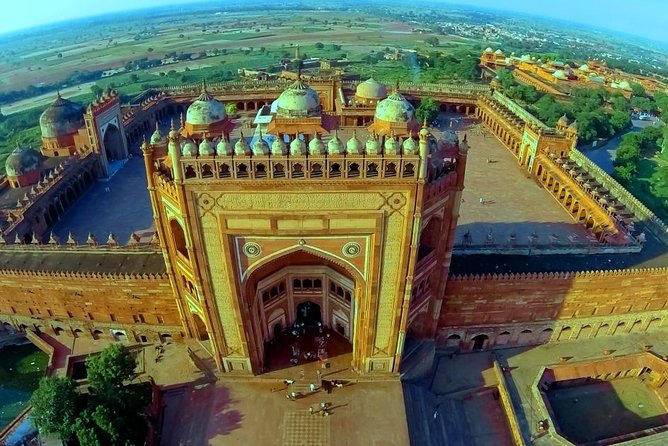
Fatehpur Sikri was built by Emperor Akbar as his capital and palace in the 16th century. The two-hour stop breaks up the journey toward Agra and adds an important Mughal site that many shorter Golden Triangle tours leave out.
The complex is valuable because it feels like a planned imperial city rather than a single monument. You can see the scale of Akbar’s court and the combination of palace, religious, and administrative spaces. The stop is listed without an admission charge, but your package notes that many sightseeing entrance tickets are not included, so confirm what is covered locally before entering paid sites.
This day is mainly a transition day with a major historical stop. It is not designed for a full Agra visit yet. Keep your expectations clear: you are moving between cities, with Fatehpur Sikri as the principal sightseeing break.
More Golden Triangle routes from New Delhi:
- 3-Days Private Golden Triangle Tour: Delhi, Agra & Jaipur by Car
★ 5.0 · 1,107 reviews - 3-Days Private Golden Triangle Tour: Delhi, Agra & Jaipur by Car
★ 5.0 · 1,098 reviews - 3-Day Delhi, Agra and Jaipur Private Tour – India Golden Triangle
★ 5.0 · 812 reviews - Four-Day Private Luxury Golden Triangle Tour to Agra and Jaipur From New Delhi
★ 5.0 · 807 reviews
Day 4: The Taj Mahal at sunrise and Agra Fort
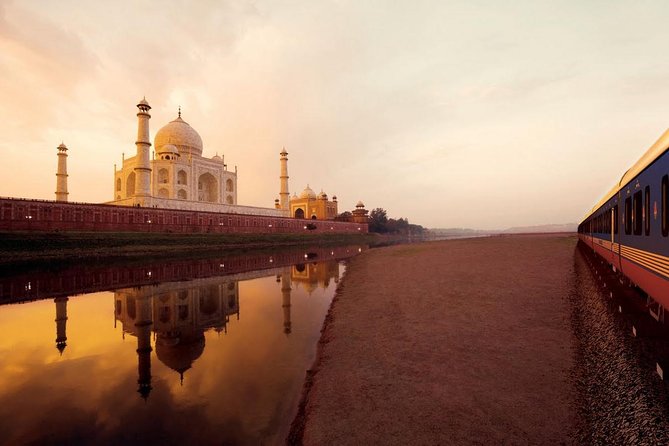
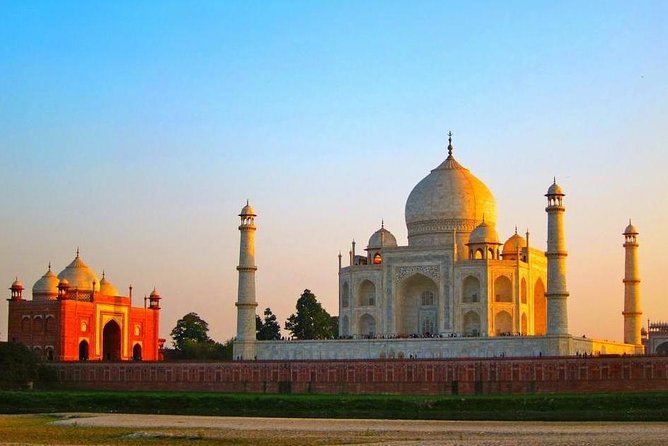
The sunrise visit to the Taj Mahal is the emotional center of the trip. You see the monument early, when the light changes across its white marble and the temperature is generally more manageable than later in the day. The planned visit lasts about three hours, giving you time to approach the monument, view the grounds, and hear the story behind it.
The early start is worth taking seriously. You may be tired after the previous days and the long transfers, but the timing is one of the best features of the route. The Taj is not simply a quick photo stop here. Three hours gives the visit room to breathe, even though crowds and entry procedures can affect the pace.
Agra Fort follows, with about two hours inside the red-sandstone fortress beside the Yamuna River. The fort contains palace areas used by Rajput and Mughal rulers. It also helps explain the political world behind the Taj Mahal, turning the day from a single-monument visit into a broader look at imperial Agra.
The schedule also refers to a view across the river at Mehtab Bagh, though the detailed stop information is incomplete. Treat that as a possible viewpoint rather than a guaranteed separate visit. Entrance fees for the Taj Mahal and Agra Fort are not included, so keep extra money available.
Ibrahim is specifically praised in connection with the Taj Mahal, and Salau is associated with guiding across the wider route. A good guide can make a major difference here by explaining details you could easily miss, from the symbolism of the building to the way the Mughal court used Agra.
Day 5: Varanasi and the first Ganges rituals
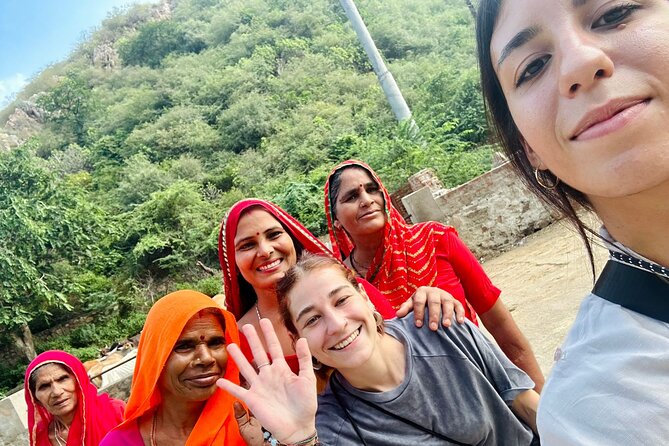
After the train journey, you arrive at Varanasi station, where a representative meets you and takes you to the hotel. The schedule allows time to rest before an afternoon or evening sightseeing program. That pause matters because rail travel and the previous early morning at the Taj can leave you short on sleep.
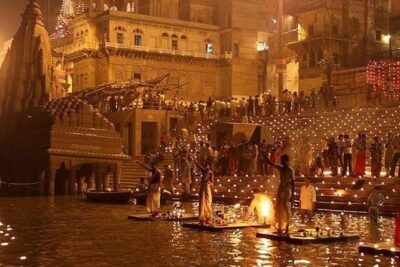
Dasaswamedh Ghat is the central riverside setting for religious ceremonies and daily activity. The stone steps lead down to the Ganges, and the river is not treated simply as scenery. It is sacred to Hindu worship, and the ghat is a place where you see prayer, ritual, and ordinary city life close together.
The Kashi Vishwanath Temple is dedicated to Shiva and is known for its gold-plated spire and sacred well. Temple access can involve specific rules and crowd controls, so follow your guide’s instructions and dress respectfully. The visit is listed at about two hours, but the actual pace may depend on conditions at the temple.
Janak is the named Varanasi guide, and this is where local guidance is particularly useful. Varanasi can feel confusing at first, with narrow routes, busy ghats, and a strong religious presence. A guide helps you understand what you are seeing without turning the visit into a simple sightseeing checklist.
Day 6: Sunrise by the Ganges and the overnight train
The morning begins early with a walking tour near the Ganges. You see Hindu rituals at sunrise and watch the city begin its day along the river. The visit lasts about two hours and is included in the package.
This is one of the most meaningful parts of the tour because the experience is not limited to a monument. You are watching a living religious tradition in its own setting. Be attentive and respectful around ceremonies, and let the guide explain what is happening rather than interrupting private acts of worship.
Later, you transfer to Varanasi station for the overnight train to Delhi. The journey is listed at about 12 hours and uses air-conditioned sleeping berths. This saves the cost and time of another hotel night, but it is still a train journey, not a substitute for a full night in a quiet room.
Train travel is a practical part of this route. Driving between these cities would make the schedule much harder, while flying would remove one of the more distinctive parts of an India trip. Still, pack essentials in a small bag, keep your passport and valuables close, and expect the day to feel long.
Day 7: Delhi’s Mughal monuments and modern symbols
After arriving in Delhi, your driver takes you on a city tour before transferring you to the airport for your onward journey. The day is packed, with an eight-hour sightseeing window and seven listed stops. This works best if your departure is late enough to allow the full program.
Jama Masjid is one of Delhi’s largest mosques, built by Mughal Emperor Shah Jahan between 1644 and 1656. India Gate is a war memorial on the ceremonial axis of New Delhi, providing a sharp contrast to the older Mughal sites.
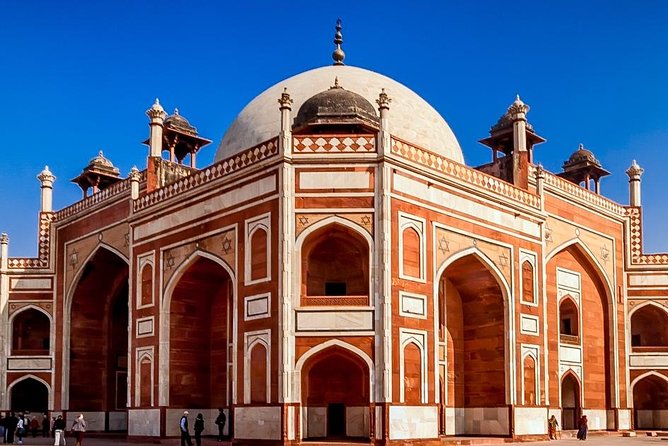
Humayun’s Tomb was commissioned by Empress Bega Begum for Emperor Humayun in 1569 to 1570. The tomb is important for understanding the development of Mughal garden-tomb design and makes a calmer counterpoint to Delhi’s busier streets.
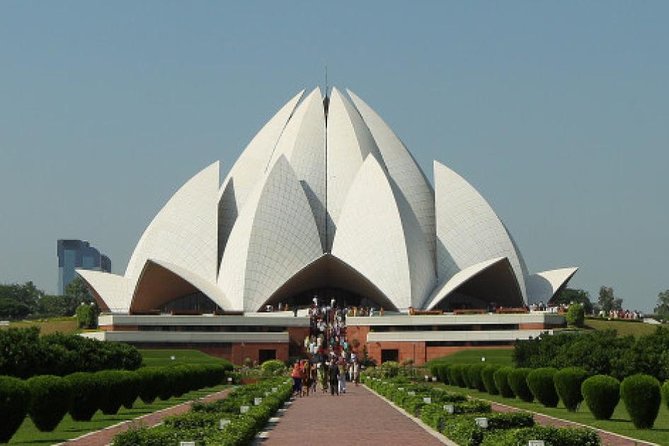
The Lotus Temple brings a different religious tradition and a modern architectural form. Its flower shape has made it one of Delhi’s best-known buildings. The final major stop, Qutub Minar, is part of the Qutub complex and a UNESCO World Heritage Site in the Mehrauli area.
Red Fort completes the day with another major Mughal monument. It served as the main residence of Mughal emperors for nearly 200 years until 1856 and now contains museums. Seven stops in one day is ambitious, and some visits may be brief. You should confirm your airport departure time before relying on every listed stop.
Transport, hotels, meals, and extra costs
The private vehicle is air-conditioned, and the size depends on the number of people in your booking. One to three people use a Tata Indigo or Swift Dzire, four to six use a Toyota Innova, and seven to ten use a Tempo Traveler. These details matter on long road days, especially if you have large bags.
The package includes twin or double room accommodation and continental breakfast. A third person receives an extra bed in the same room, and larger parties are arranged in combinations of double and triple rooms. Ask about room arrangements before booking if privacy is important.
Four breakfasts are included. Lunches, dinners, drinks, tips, personal expenses, and entrance tickets where marked are not included. Add those costs to the $675 price when comparing this trip with a hotel-only or self-guided plan.
The booking is non-refundable and cannot be changed for any reason. You also need to provide each participant’s passport name, number, expiry date, and country at booking, and carry a current valid passport on the travel date.
Who should book this tour?
I would choose this tour if you want the major northern India sights handled in one package and prefer a private vehicle to public road transport. It suits first-time visitors who value a guide, included rail tickets, and airport transfers more than free time.
It is less suitable if you want leisurely mornings, long stays in each city, or control over every hotel and meal. The route is intense, and the overnight trains, sunrise Taj Mahal visit, and early Ganges walk demand energy.
Should you book it?
Book this tour if seeing the Taj Mahal, Amber Fort, Delhi’s Mughal monuments, and Varanasi in one week is your priority. The $675 price can be fair once you count private transport, hotels, trains, breakfasts, and guides, but budget separately for admission fees and meals.
The strongest reasons to book are the sunrise Taj visit, the Ganges morning walk, and the practical support from the driver and city guides. The main warning is simple: this is a fast-moving introduction to India, not a relaxed retreat. If you can handle early starts, long transfers, and overnight rail travel, it gives you an efficient first look at four remarkable cities.
FAQ
Where does the tour start?
The tour starts at Indira Gandhi International Airport in New Delhi. Pickup is also offered from a Delhi hotel.
How long is the tour?
The tour lasts approximately seven days and includes six nights in the overall route description. Four nights of hotel accommodation are included, with overnight train journeys accounting for the remaining nights.
Which cities are included?
The route includes Delhi, Jaipur, Agra, and Varanasi.
Is transportation included?
Yes. Private air-conditioned road transport and round-trip air-conditioned train tickets with sleeping berths are included.
Are guides included?
English-speaking guides are included in Jaipur and Agra. The tour also provides representatives and sightseeing support in Delhi and Varanasi.
Are entrance tickets included?
No. Several major attractions, including the City Palace, Hawa Mahal, Taj Mahal, Agra Fort, Kashi Vishwanath Temple, Jama Masjid, Humayun’s Tomb, Qutub Minar, and Red Fort, are listed with admission not included. Jal Mahal, the Ganges morning experience, India Gate, Lotus Temple, and Fatehpur Sikri are listed as free or included.
What is not included in the price?
Tips, food, drinks, personal expenses, and listed admission fees are not included. Four breakfasts are included.
More 7-Day Experiences in New Delhi
- 7-Day Golden Triangle Tour with Ranthambore Tiger Safari
★ 5.0 · 53 reviews - 7 Day Golden Triangle Tour { Delhi Agra Jaipur Tour }
★ 5.0 · 23 reviews - 7 Days Golden Triangle Delhi,agra, Jaipur
★ 5.0 · 20 reviews - Journey to India’s Heart: 7-Day Golden Triangle Escape
★ 5.0 · 19 reviews
Newly reviewed around New Delhi
- Private Customized Tour Of Old/New Delhi Spiritual Sites★ 5.0 · 5 reviews
- Yoga and Meditation Classes in Gurgaon★ 4.5 · 8 reviews
- Yoga class in Delhi★ 5.0 · 29 reviews
- Old Town Delhi Walking Tour (2 Hours Guided Tour with Local)★ 4.5 · 22 reviews
- 5 Days Golden Triangle Tour with Ranthambore(Delhi Agra Jaipur Ranthambore Tour)★ 5.0 · 3 reviews
- Wonderful Old & New Delhi sightseeing tour★ 5.0 · 3 reviews
- Hidden Gems of Old Delhi – Walk★ 5.0 · 8 reviews
- Delhi Zoo White Tigers & lions with Old Fort Visit★ 4.5 · 5 reviews
Varanasi Tours from Delhi, compared.
Delhi Agra Jaipur & Varanasi Tour – Taj Mahal & Ganga Aarti
Read our review →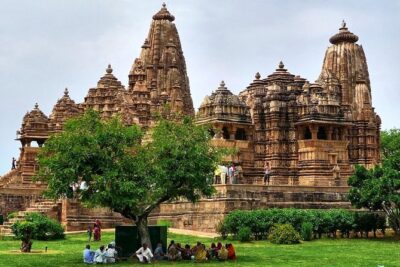
9 – Days Private Golden Triangle Tour with Khajuraho & Varanasi
Read our review →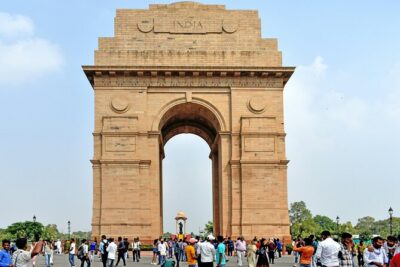
6-Day Private Tour of Delhi, Agra, Jaipur, and Varanasi from Delhi
Read our review →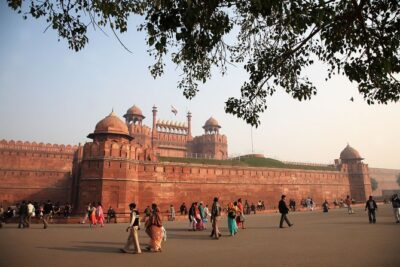
11 Days Golden Triangle & Varanasi With Luxury Accommodation,internal Flights
Read our review →
8-Day Private Luxury Golden Triangle With Spiritual Varanasi Tour
Read our review →
10 Day Private Luxury Golden Triangle with Khajuraho and Varanasi
Read our review →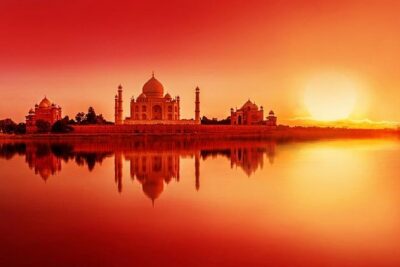
Private Luxury Delhi, Agra, Jaipur & Varanasi from Delhi – 5 Nights 6 Days Tour
Read our review →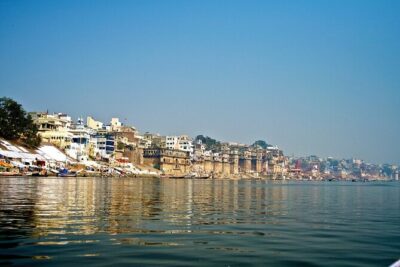
6 Days Private Golden Triangle Tour with Varanasi from Delhi
Read our review →Browse the lists this tour appears in