
Reviewed · NEW DELHI
Sultanpur The wonder of Birding from Delhi
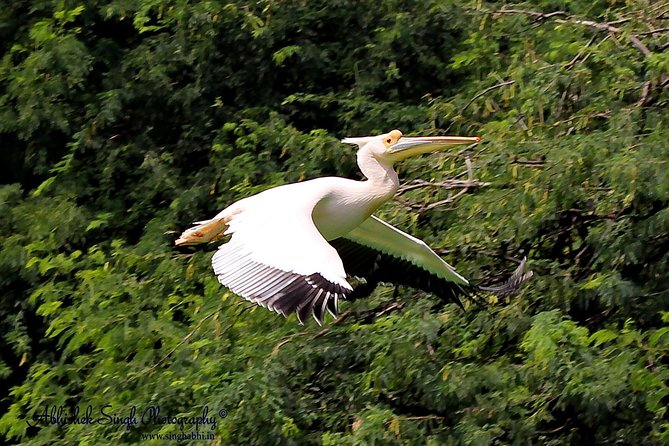
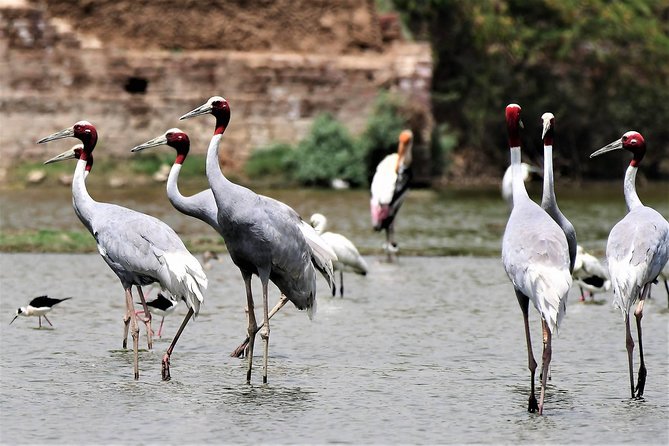
Sultanpur National Park turns a busy Delhi visit into a quiet morning among wetlands, trees, and birds. In about three hours inside the reserve, you might spot painted storks, flamingos, kingfishers, owls, sunbirds, and one of roughly 250 recorded species.
I like the private vehicle and hotel pickup, which remove the fuss of arranging an early ride outside Delhi. I also like the focused three-hour park visit: it is long enough to search the wetland without turning a short city break into an all-day expedition.
The main drawback is the road time. You may spend about two hours getting to Sultanpur and another two hours returning, so this is best for visitors who genuinely want birding rather than a quick sightseeing stop. The reserve is also small, with a lake, wetland, and surrounding forest, so photographers may want to pay extra for more time.
Key points before you book
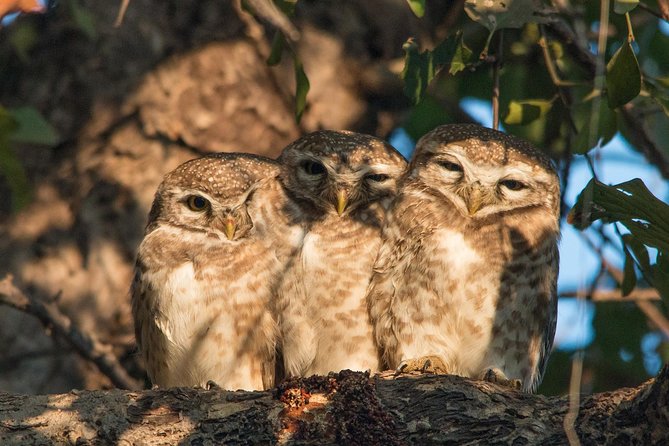
- About 250 bird species: Look for Indian Roller, White-throated Kingfisher, Purple Sunbird, Painted Stork, Black-headed Ibis, Spotted Owlet, and Magpie Robin.
- Winter brings migrant birds: Common Teal, Northern Pintail, Eurasian Wigeon, Black-tailed Godwit, Ruff, and other species arrive to feed and spend the season.
- A private half-day outing: Only your own group participates, with transport by private vehicle and hotel pickup from Delhi or nearby Gurgaon.
- Three hours in the reserve: A guide leads you around the wetland and forest, with extra time available for bird photography at an added hourly cost.
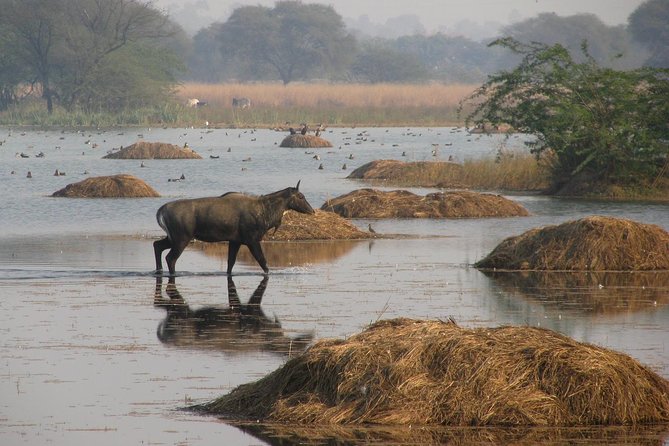
- Possible fauna beyond birds: You may also spot blue buck, listed as another animal found in the park.
- Good value for a small group: At $85 per person, the price includes transport, a guide, bottled water, and admission, but not food or drinks.
Why Sultanpur makes a good escape from Delhi
Sultanpur is close enough to visit during a Delhi stay, yet its purpose is very different from the city’s forts, markets, and monuments. The focus here is patience. You move around a wetland and forest area, watching the water and trees for movement rather than rushing from one sight to the next.
The reserve is especially appealing if you already enjoy birding or want an introduction to it. You do not need a full week in the countryside to see a broad mix of birds. A single morning can bring resident species and, depending on the season and conditions, migratory visitors from much farther away.
The numbers help explain the appeal. About 250 feathered species share the park, including more than 100 migratory species that arrive in search of feeding grounds and a winter stop. That does not mean you will see all of them in one visit. It does mean the setting has enough variety to reward careful watching.
I would treat the trip as a nature outing, not a guarantee of a specific bird list. Wildlife follows its own timetable. The guide can help you search likely areas and identify what you see, but no responsible birding trip can promise Siberian Cranes, a Rosy Pelican, or a particular owl on demand.
Other New Delhi trips people book alongside this one:
- Old & New Delhi City Tour – Half or Full Day Options Available
★ 5.0 · 4,811 reviews - Same Day Taj Mahal, Agra Fort & Baby Taj Tour from Delhi by Car
★ 5.0 · 4,304 reviews - Taj Mahal Day Tour from Delhi by Superfast Train – TOP RATED TOUR
★ 5.0 · 4,166 reviews
Leaving Delhi at 7:00 am
The day begins with pickup from your Delhi hotel at 7:00 am. Pickup and drop-off can also be arranged in the nearby Gurgaon area, which is useful if you are staying outside central Delhi.
The early start matters for two reasons. First, it gives you a better chance to spend the main part of the visit at the park rather than arriving late in the morning. Second, the schedule leaves room for the drive back while keeping the whole outing to roughly five or six hours.
The drive takes about two hours from your hotel. That is a substantial part of the day, so consider the location of your accommodation before booking. If your priority is a short transfer and a brief look at wildlife, the journey may feel long. If you want a private outing built around birding, the transport makes Sultanpur much easier than arranging the route yourself.
Transport is by private vehicle, and only your group takes part in the activity. That gives you more control than a large coach tour. You can ask to pause for practical needs, and you will not be held to the pace of a busload of sightseers.
Bottled water is included. Food and other drinks are not, so you should plan to eat before or after the outing rather than expect refreshments during the park visit.
Three hours around the Sultanpur wetland
Once you reach Sultanpur National Park, you spend about three hours with a guide around the wetland and forest. The reserve is described as a small area built around a lake and wetland, with forest nearby. That compact size is helpful for a half-day visit, since you can cover the main birding area without needing an entire day.
Your guide’s role is important here. Birding is not simply a matter of looking at the water and hoping something colorful flies past. A guide can help you notice smaller birds in the trees, identify distant shapes, and sort similar species. Sachin is named as one guide associated with the experience, and the service is provided by Discover Activities.
Expect the visit to be built around observation rather than a fixed sequence of attractions. You may spend time near the wetland, then move through the surrounding forest in search of different species. The exact sightings will change with season, weather, and the birds’ behavior.
This is where binoculars earn their place. The tour specifically encourages you to bring them, and they can make a real difference when a bird is across the water or high in a tree. A camera with a long lens may also be useful, but photography can require more time than a standard sightseeing visit allows.
For a general birding outing, three hours is presented as enough time for the park. I think that is a sensible length for most people. You get a clear introduction without spending the full day waiting beside one patch of water.
Resident birds worth watching for
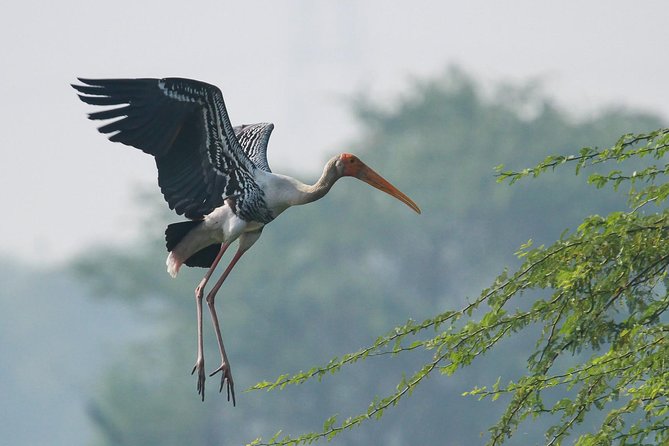
Sultanpur’s bird list includes a good mix of familiar Indian species and birds that may be new to visitors. You might find a Purple Sunbird, Indian Roller, White-throated Kingfisher, Spot-billed Duck, Painted Stork, White Ibis, Black-headed Ibis, Eurasian Collared Dove, Spotted Owlet, or Magpie Robin.
Each group offers a different kind of sighting. Kingfishers and rollers can provide the color many people hope for, while owls and smaller woodland birds demand more careful searching. Wading birds around the wetland give you a chance to watch feeding behavior, especially when several species gather near the water.
The exact list is not the point of booking, but it helps to know what sort of outing this is. The park is not presented as a bird show or a place with guaranteed close views. It is a living wetland where the reward comes from spotting a bird, confirming its identity, and noticing how it uses the area.
You might also see blue buck, listed as part of the park’s fauna. The trip is clearly centered on birds, but this extra possibility gives the morning a little more variety.
Same starting point, a completely different day out:
- Full Day Taj Mahal, Agra Fort & Baby Taj Tour from Delhi by Car
★ 5.0 · 3,647 reviews - From Delhi: Taj Mahal & Agra Private Day Trip with Transfers
★ 4.9 · 3,181 reviews - Taj Mahal Tour from Delhi by Express Train (Viator Award Winner)
★ 5.0 · 2,849 reviews - All Inclusive Private Taj Mahal Luxury Tour from Delhi by Car
★ 5.0 · 2,564 reviews
Winter migrants and seasonal expectations
The migratory list is one of the strongest reasons to consider Sultanpur. More than 100 migrant species arrive each year to feed and pass the winter, including Northern Shoveler, Gadwall, Common Teal, Eurasian Wigeon, Northern Pintail, Black-winged Stilt, Common Greenshank, Wood Sandpiper, Spotted Sandpiper, Ruff, and Black-tailed Godwit.
Other listed migrants include Greater Flamingo, Yellow Wagtail, White Wagtail, Spotted Redshank, Bluethroat, Starling, and Rosy Pelican. Siberian Cranes are also mentioned among the important species, although you should not treat any one sighting as guaranteed.
If migrant birds are your main reason for going, timing matters. The information provided identifies winter as the period when these species arrive, but it does not give exact dates or promise particular birds during your visit. Ask about current conditions when booking if one species is especially important to you.
This uncertainty is part of birding, but it is also the main reason to set sensible expectations. You could have a morning with a long list of sightings, or you could spend more time watching a smaller number of birds carefully. Both are valid outcomes, especially if you enjoy the process rather than only collecting names.
The private-tour format and its value at $85
The price is $85 per person. That includes a private vehicle, hotel pickup, a guide, bottled water, and admission to the park. Food and drinks are not included.
The value depends on your group size and priorities. For one person, the price is not a bargain in the same way as a basic shared transfer. You are paying for a dedicated vehicle, a private guide, and the convenience of having the morning organized from your hotel.
For a couple, family, or small group, the private format becomes easier to justify. You do not have to match another group’s pace, and you can keep the outing centered on birding. That matters if one person wants to spend longer examining a wetland bird while another is ready to move on.
The private setup is also useful for first-time birdwatchers. You can ask basic questions without feeling that you are slowing down a larger group. Experienced birders may value the chance to focus on photography or a particular habitat.
The price does not cover a longer photography session. If you want to stay beyond the standard three hours, extra time is charged by the hour and settled directly with the guide. Confirm the added hourly rate before extending the visit, since no figure is provided here.
Why photographers need a different plan
The standard visit is designed to give you a solid look at the reserve in about three hours. That is enough for general birding, but serious photography often moves at a slower pace.
You may want to wait for a bird to come into better light, remain still near the water, or repeat a behavior. Those moments can quickly use up the scheduled time. The operator allows bird photographers to stay longer by paying an additional hourly charge directly to the guide.
This flexibility is useful, but it changes the cost calculation. If you are carrying a large camera and lens, or if your goal is a particular species, budget for extra time instead of assuming the standard visit will be enough.
If you are not a specialist photographer, do not feel that you need extra hours. The park’s size means the three-hour program is meant to cover the main birding area. For casual photos and a varied morning, the regular schedule should be more practical.
Physical demands, clothing, and what to bring
The activity requires a moderate level of physical fitness. The information does not give a precise walking distance or list specific trail conditions, so you should be ready for time spent moving around the wetland and forest rather than remaining in the vehicle.
Smart casual clothing is requested. Comfortable clothes suited to an early outdoor outing will make the morning easier, and binoculars are worth bringing if you own them. A current valid passport is required on the day of travel, according to the booking information.
Because food and drinks are excluded, arrange your own meals around the schedule. Bottled water is supplied, but it is still wise to understand that the tour is a half-day nature visit, not a meal-inclusive excursion.
You should also bring patience. Birding rewards quiet attention, and the best sighting may not be the first one you see. The guide can point out species, but you will get more from the experience if you are happy to slow down and look carefully.
Who will enjoy this morning most
I would recommend this outing to anyone staying in Delhi or Gurgaon who wants a break from urban sightseeing and has a real interest in birds. It suits beginners because a guide can help identify species, and it suits experienced birders who want a private vehicle and a compact reserve near the city.
It is also a good choice for couples, families, and small groups who value convenience. The private format makes the $85 price more reasonable when shared among several people.
I would be more cautious about booking it if you dislike early starts, long road transfers, or uncertain wildlife sightings. It is not the right choice if you want a packed cultural itinerary with several unrelated attractions. The entire point is time around a wetland and forest.
The experience has earned a five-star rating from 13 reviews, with 100 percent recommending it. One especially useful detail is the description of Sultanpur as a small reserve centered on a lake and wetland. That sets the right expectation: this is a focused nature stop, not a huge national park requiring a full day.
Should you book Sultanpur from Delhi?
Book it if you want a private, well-organized birding morning and you can accept about four hours of total road travel. The combination of hotel pickup, private transport, guide, admission, and three hours in the park gives the outing a clear purpose and a fair level of convenience at $85 per person.
I would book during the period when winter migrants are present if those species are your priority, while remembering that sightings cannot be promised. Ask for extra time if photography is central to your plans.
Skip it if you only have a few hours in Delhi or if you want guaranteed close encounters. For the right person, though, Sultanpur offers a rare chance to trade traffic and monuments for a quiet wetland without leaving the Delhi area for an entire day.
FAQ
How long does the Sultanpur birding tour last?
The experience lasts approximately five to six hours, including the drive from Delhi, the park visit, and the return journey.
What time does the tour start?
Pickup begins at 7:00 am.
Is hotel pickup available?
Yes. Pickup is offered from hotels in Delhi, and pickup and drop-off can also be arranged in the nearby Gurgaon area.
How long do I spend inside Sultanpur National Park?
The guided birding visit lasts approximately three hours.
Is admission to Sultanpur National Park included?
Yes. The admission ticket is included in the tour price.
Is this a private tour?
Yes. Only your own group participates in the activity, and transport is provided by private vehicle.
Are food and drinks included?
No. Bottled water is included, but food and other drinks are not.
Can I stay longer for bird photography?
Yes. Photographers can spend additional time in the park by paying an extra hourly charge directly to the guide. The standard visit is about three hours.
What is the cancellation policy?
You can cancel up to 24 hours before the experience starts for a full refund. Changes or cancellations made less than 24 hours before the start time are not accepted for a refund.
Newly reviewed around New Delhi
- Private Customized Tour Of Old/New Delhi Spiritual Sites★ 5.0 · 5 reviews
- Yoga and Meditation Classes in Gurgaon★ 4.5 · 8 reviews
- Yoga class in Delhi★ 5.0 · 29 reviews
- Old Town Delhi Walking Tour (2 Hours Guided Tour with Local)★ 4.5 · 22 reviews
- 5 Days Golden Triangle Tour with Ranthambore(Delhi Agra Jaipur Ranthambore Tour)★ 5.0 · 3 reviews
- Wonderful Old & New Delhi sightseeing tour★ 5.0 · 3 reviews
- Hidden Gems of Old Delhi – Walk★ 5.0 · 8 reviews
- Delhi Zoo White Tigers & lions with Old Fort Visit★ 4.5 · 5 reviews