
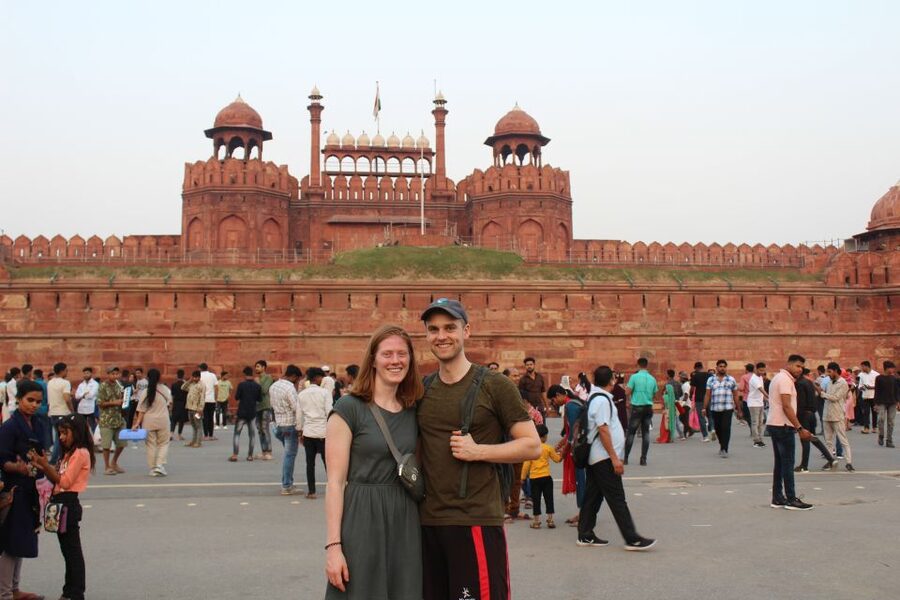
Reviewed · GOLDEN TRIANGLE TOURS FROM DELHI
Private 4-Days Golden Triangle Luxury Tour From Delhi
The best part of this four-day Golden Triangle tour is the sunrise visit to the Taj Mahal. You enter after an early start, before the main crowds arrive, then return for breakfast before seeing Agra Fort and the Baby Taj. It is a smart way to handle India’s most famous monument.
I like the private car and city-by-city guides, which spare you the trouble of arranging trains, taxis, and monument visits. I also like the flexible hotel choice. The drawback is the amount of time on the road, especially the roughly five-hour drive from Agra to Jaipur and the return to Delhi on day four.
Key points at a glance
- Sunrise Taj Mahal visit: Enter the mausoleum during the cooler, quieter early hours.
- Three major cities in four days: Cover Delhi, Agra, and Jaipur without changing transport yourself.
- Private vehicle throughout: Sedan, wagon, or minivan size depends on your party.
- Luxury hotel option: Three nights and daily breakfast are included only when you select the hotel package.
- New guide in each city: Local guides handle the sightseeing in Delhi, Agra, and Jaipur.
- Flexible route planning: You can request changes based on your interests and schedule.
Why this Golden Triangle route works
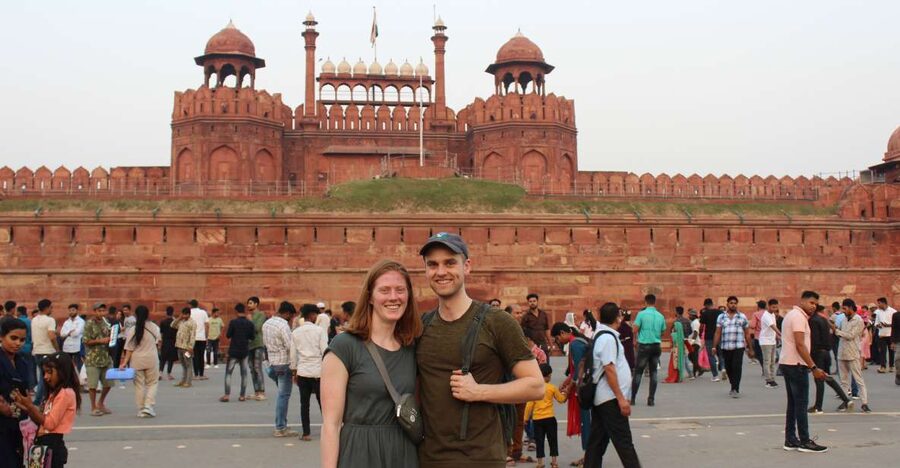
India’s Golden Triangle links Delhi, Agra, and Jaipur in a rough triangle across northern India. Each city has a different feel. Delhi is the broad historical introduction, Agra is about Mughal monuments and the Taj Mahal, and Jaipur brings Rajput forts, palaces, observatories, and pink-painted streets.
This private tour gives you a practical first look at all three. You do not waste time figuring out where to find a driver after each monument, and your luggage stays with the vehicle as you move from one hotel to the next.
The pace is brisk. Four days is enough for a strong introduction, not enough for a slow study of every palace and neighborhood. I would choose this schedule if you want the main sights and prefer comfort over independent transport. If you want long lunches, unplanned walks, or several visits to each city, add extra nights.
The tour is described as a luxury package, but read the booking choice carefully. The hotel option includes three nights and breakfast. A separate option lets you arrange your own accommodation, which may suit you if you already have hotels booked or want more control over location and price.
More Golden Triangle routes from New Delhi:
- 3-Days Private Golden Triangle Tour: Delhi, Agra & Jaipur by Car
★ 5.0 · 1,107 reviews - 3-Days Private Golden Triangle Tour: Delhi, Agra & Jaipur by Car
★ 5.0 · 1,098 reviews - 3-Day Delhi, Agra and Jaipur Private Tour – India Golden Triangle
★ 5.0 · 812 reviews
Day one: Delhi monuments before the expressway to Agra
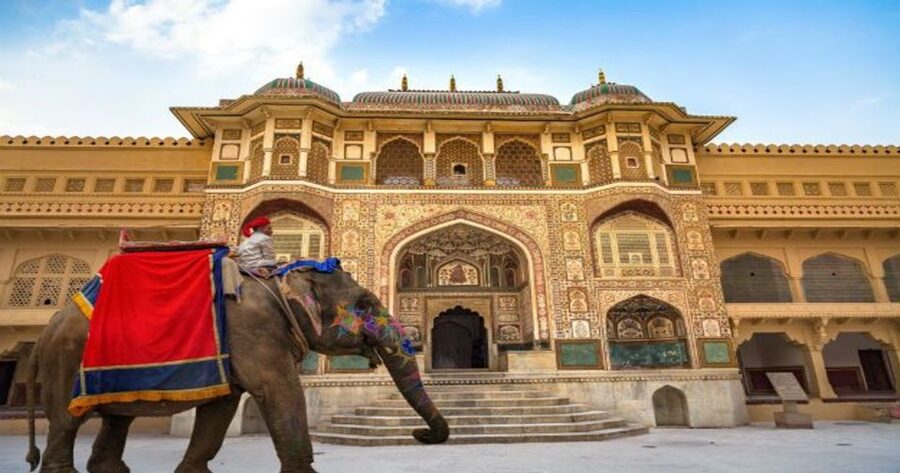
Pickup is available from a hotel, airport, railway station, or another requested location in Delhi, Noida, or Gurugram. That wide pickup area is useful if you are arriving from another part of the Delhi region, but give the operator your exact location in advance.
The Delhi sightseeing begins with a half-day city tour. Qutub Minar is the major historic stop. Qutub-ud-din Aibek began this tall stone minaret, and its carved surfaces make it much more than a quick photo stop. Your guide can help place the monument in the early history of Muslim rule in Delhi.
The Lotus Temple offers a sharp contrast. Its white, petal-shaped design belongs to the Bahai faith, and the building is known for its quiet interior. Expect a short visit rather than a long museum-style stop.
You also see India Gate and Agrasen Ki Baoli. India Gate is a broad ceremonial memorial, while the stepwell is a more intimate piece of old Delhi. Agrasen Ki Baoli is especially useful for anyone who wants a break from grand government buildings and crowded roads. Its descending staircases show how practical water architecture could also have a strong visual rhythm.
The drive past Parliament House and the President’s Palace gives you a look at New Delhi’s formal center. Then you take the expressway toward Agra, a journey of about three and a half hours. Your driver takes you to the Agra hotel, where you can check in and rest before the early start the next morning.
This first day is full. If your pickup is late, traffic or delays could reduce the time at the Delhi monuments. A private tour gives you some control, so ask in advance which stops matter most to you.
Day two: Taj Mahal sunrise and Agra’s Mughal monuments
The early start is the heart of the tour. You visit the Taj Mahal at sunrise, with a two-hour guided visit before the larger daytime crowds arrive. The pale marble changes color as the light strengthens, and the cooler morning air makes the visit more comfortable than the middle of the day.
Your ticket and monument entry are not included in the tour price, so budget for those separately. The battery bus from the parking area to the Taj Mahal monument is included. This matters because vehicles do not drive directly to the monument entrance, and the short electric shuttle saves you a hot walk.
After the Taj Mahal, you return to the hotel for breakfast. That order is much better than trying to eat first and then rush to the monument. Carry your passport or ID card, as it is listed among the required items.
Agra Fort comes next. Its massive red sandstone walls hold palaces, audience halls, courtyards, and views toward the Taj Mahal. The fort helps explain the power behind the mausoleum. You see the Taj not only as a romantic monument, but also as part of the Mughal imperial world.
The Tomb of Itimad-ud-Daulah is smaller and more delicate. It is often called the Baby Taj, a nickname that can undersell it. The inlaid stone work and fine details reward a slower look, especially after the scale of Agra Fort.
After sightseeing, you drive to Jaipur, which takes about five hours. This is the tour’s longest road section. You may find the journey tiring, particularly after the pre-dawn start, but the private vehicle lets you stop or adjust your pace more easily than a fixed group bus. You check in at the Jaipur hotel in the evening.
Day three: Amber Fort, stepwells, palaces, and observatories
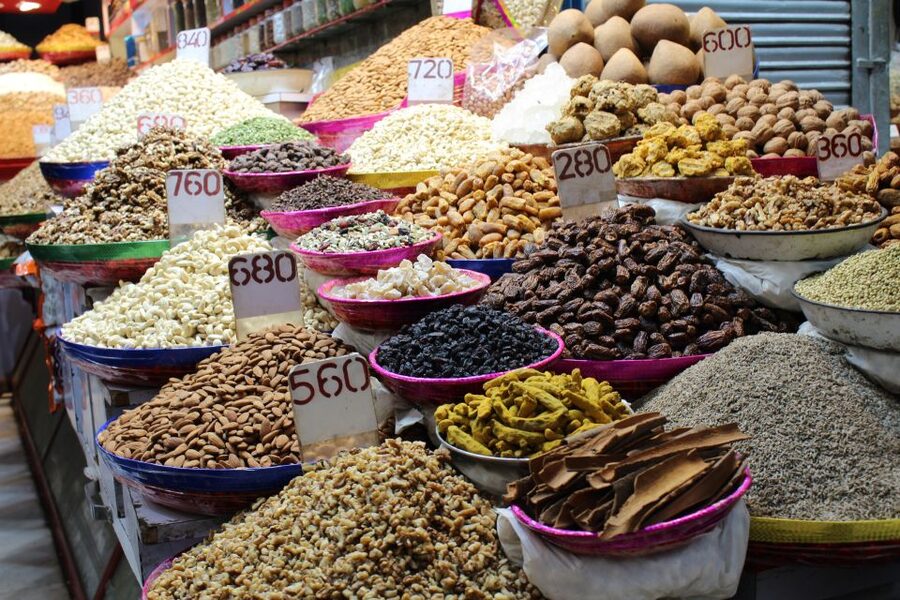
Jaipur’s sightseeing begins with Amber Fort, outside the city center. Built into the hills, the fort combines defensive walls, courtyards, gates, and decorated palace rooms. Give yourself time here. The complex is larger and more layered than a quick photo stop suggests.
Before the fort, the tour visits Panna Meena ka Kund. This ancient stepwell is known for its symmetrical staircases. It is a good companion to Delhi’s Agrasen Ki Baoli because the two sites show different versions of the same basic idea: storing and reaching water in a dry climate.
Jal Mahal is a brief scenic stop. The palace sits in the middle of a lake, and the view is best treated as a pause rather than a full interior visit. You generally see it from the shore, so do not expect the same kind of exploration as at Amber Fort or City Palace.
Gatore Ki Chhatriyan adds another change of pace. Its carved cenotaphs were built as memorial structures for Jaipur’s rulers and family members. The stone work is the reason to stop here, and the site can feel calmer than the city’s most famous attractions.
Hawa Mahal, the Palace of the Winds, is one of Jaipur’s unmistakable images. Its many small windows allowed royal women to watch street life without being seen. The facade is more impressive from the outside than the visit is long, so keep your expectations realistic.
Jantar Mantar is a working collection of large astronomical instruments built in the eighteenth century. Your guide is particularly useful here because the instruments can look abstract without explanation. They were designed to measure time and track celestial positions with surprising precision.
The day ends at Maharaja’s City Palace. This complex brings together courtyards, gateways, royal rooms, and museum displays. Some areas are more ornate than others, and the visit can feel full after Amber Fort and Jantar Mantar. Still, it gives you a useful final look at Jaipur’s royal culture.
The itinerary also allows customization. If you care most about architecture, photography, religious sites, or local daily life, discuss that before the tour begins. The provider assigns a new guide in each destination, so the Delhi guide will not necessarily be the person leading you through Jaipur.
A few more New Delhi day trips worth putting side by side
- From Delhi: Taj Mahal & Agra Private Day Trip with Transfers
★ 4.9 · 3,181 reviews - All Inclusive Private Taj Mahal Luxury Tour from Delhi by Car
★ 5.0 · 2,564 reviews - From Delhi: Taj Mahal and Agra Fort Private Sunrise Tour
★ 4.9 · 2,270 reviews - Old & New Delhi Private Tour – Half or Full Day (Rated Excellent)
★ 5.0 · 2,226 reviews
Day four: the road back to Delhi
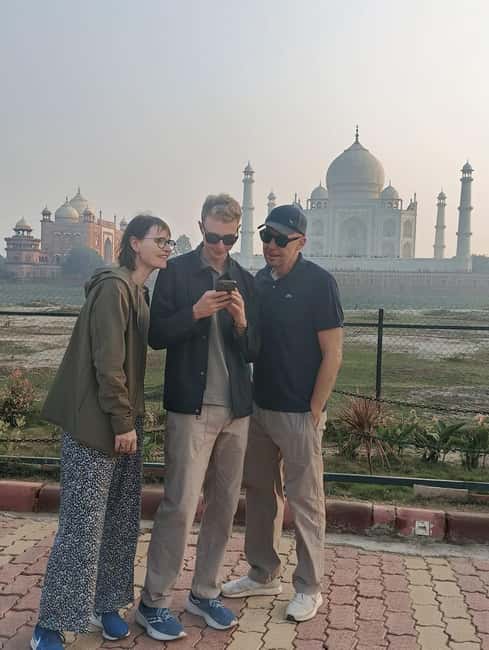
After breakfast, you drive back to Delhi. Drop-off is available at the airport, railway station, hotel, or another suitable point in the Delhi area.
This final day is mainly transport. Do not schedule a tight flight or train connection unless you have confirmed the drive time for your date. Road conditions can affect arrival, and the tour data does not promise a fixed travel duration for Jaipur to Delhi.
If you have an evening departure, this arrangement can work well. If you need to be at the airport early, consider adding a buffer or booking an extra night in Delhi.
What the private format adds

A private tour is useful in the Golden Triangle because the sights are spread out and the roads can be tiring. You have one vehicle for the journey, hotel transfers, and sightseeing. The driver also takes you to the monument areas, while the local guide explains the sites inside.
Vehicle size depends on your party:
- One or two people use a four-seat sedan.
- Three or four people use a six-seat wagon.
- Five to ten people use a ten-seat minivan.
The vehicle is air-conditioned, and bottled mineral water is supplied during the journeys. For a couple, the sedan may feel efficient. For a larger group, confirm how much luggage the minivan can handle before departure.
The guides speak English, Hindi, French, Japanese, Spanish, German, or Italian, depending on availability. Guides are assigned separately in each destination. Past bookings have included a guide named Raj and a driver named Dinesh, but you should confirm the names and language for your own departure rather than assume the same team will be assigned.
This arrangement gives you local help without putting you in a large group. It also means the quality and style of explanation can vary from city to city. Tell each guide what you want to understand, rather than simply following a standard speech.
Hotels, rooms, and the meaning of luxury

The accommodation package includes three nights in hotels and daily breakfast. Rooms are normally twin-sharing. If three people book together, triple-sharing is the default. If you want two rooms for three people, an extra cash charge applies.
The phrase luxury hotel can cover different standards, so check the exact properties before you pay. The supplied information says the hotel standard is high, rooms are clean, and food is good, but hotel names are not provided here. Ask where you will stay in Agra and Jaipur, and confirm whether Delhi is included as a night or only as the pickup and drop-off city.
You can also choose the option without hotel bookings. That is useful if you already have accommodation or want to use loyalty points. It also means you must manage check-in, breakfast, and the location of your own hotels.
Price, entry fees, and extra costs

The advertised price is $8 per person, which is unusually low for a four-day private trip with a vehicle, guides, and a luxury hotel option. Treat that figure as a starting price and check exactly which package you are selecting. The hotel version and the no-hotel version will not represent the same value.
Included services cover private transport, guides, hotel taxes when applicable, service charges, airport or station pickup, bottled water, and the Taj Mahal battery bus. Monument entry tickets are not included. Tips for guides are also not included.
Carry cash because some monuments may not accept credit cards. Guides can help you buy tickets, and the driver can help you find an ATM. This is a small but important detail. You do not want to reach the Taj Mahal or Amber Fort and spend precious sightseeing time trying to solve a payment problem.
For value, the tour makes the most sense if you want to bundle transport, guiding, hotel coordination, and transfers. It is less compelling if you have already arranged hotels and are comfortable using trains, app-based cars, and monument ticket counters yourself.
Practical preparation for four busy days
Wear comfortable walking shoes. The forts, courtyards, stepwells, and monument grounds require time on foot, and some surfaces can be uneven.
Bring your passport or ID card. You should also carry sun protection, water for short walks, and a small amount of cash for tickets and incidental needs.
Use the customization option before the tour starts. Tell the operator if you want more time at the Taj Mahal, less time at shopping stops if any are proposed, extra focus on architecture, or a slower pace. The listed route does not promise shopping visits, but a clear conversation helps keep the days aligned with your interests.
The early Taj Mahal visit is worth protecting. Avoid adding a late-night plan in Agra the evening before, especially after the Delhi to Agra drive.
The tour is wheelchair accessible, but the practical experience can still vary at old forts, stepwells, and historic surfaces. If you use a wheelchair, discuss the exact stops and vehicle arrangement before booking.
Free cancellation is available up to 24 hours before departure, and you can reserve now and pay later. Those terms give you some flexibility, but they do not remove the need to check the hotel selection, entry fees, room setup, and pickup details.
Should you book this Golden Triangle tour?

I would book this tour if you want a comfortable first visit to northern India and prefer one private vehicle, local guides, and a clear route. The sunrise Taj Mahal visit, Amber Fort, and the mix of major monuments with smaller sites such as Panna Meena ka Kund and Gatore Ki Chhatriyan give the itinerary good range.
I would hesitate if you dislike early mornings, long drives, or a tightly packed schedule. Four days covers the Golden Triangle efficiently, but it does not leave much room for wandering.
Before paying, confirm three things: the exact hotel package, the total cost after monument tickets, and the pickup and return timing. If those details fit your plans, this is a strong practical introduction to Delhi, Agra, and Jaipur, with enough flexibility to make the route feel personal rather than strictly fixed.
FAQ
How long is the Golden Triangle tour?
The main experience lasts four days and includes Delhi, Agra, Jaipur, and the return to Delhi. The activity information also lists a duration range of 2 hours to 4 days, so confirm the specific start time and package when checking availability.
Where can pickup and drop-off take place?
Pickup is available from a hotel, airport, railway station, or another requested location in Delhi, Noida, or Gurugram. Drop-off can be arranged at a Delhi airport, railway station, hotel, or requested location.
Is hotel accommodation included?
Three nights of accommodation and daily hotel breakfast are included only when you choose the option with hotel bookings. A separate option allows you to arrange your own accommodation.
Are monument entry tickets included?
No. Entry tickets for the monuments are not included. Some monuments may not accept credit cards, so carry cash. Guides can assist with ticket purchases.
Is the Taj Mahal visit at sunrise?
Yes. The itinerary includes an early visit to the Taj Mahal, with a two-hour guided tour before the larger crowds arrive. The battery bus between the parking area and the monument is included.
What type of vehicle is used?
One or two people travel in a four-seat sedan. Groups of three or four use a six-seat wagon, while groups of five to ten use a ten-seat minivan. All vehicles are air-conditioned.
Will the same guide lead the whole tour?
No. You are generally assigned a new local guide in each destination. Guides may be available in English, Hindi, French, Japanese, Spanish, German, or Italian.
How are hotel rooms arranged?
Rooms are generally provided on a twin-sharing basis. A booking of three people normally receives a triple-sharing room. Two rooms for three people require an additional cash payment.
Can the itinerary be changed?
Yes. The provider offers flexible itinerary options based on your interests and schedule. Contact the operator in advance to discuss changes.
Newly reviewed around New Delhi
- New Delhi, Agra & Jaipur: 3-Day India Golden Triangle Tour★ 4.9 · 17 reviews
- From New Delhi: Jaipur Private Day Trip with Guide★ 5.0 · 30 reviews
- Magical Mathura Vrindavan Tour: Krishna’s Homeland★ 4.4 · 18 reviews
- Jaipur Private Day Trip with Monument Tickets from New Delhi★ 5.0 · 3 reviews
- From Delhi: Taj Mahal with Photographer & Elephant SOS Tour★ 5.0 · 3 reviews
- From Delhi: Same-Day Express Trip to Agra & Back Transfer★ 5.0 · 5 reviews
- From Delhi: All-Inclusive Taj Mahal Day Tour with transfers★ 5.0 · 38 reviews
- From Jaipur : Taj Mahal & Agra fort Tour and Drop Delhi★ 4.9 · 25 reviews
Golden Triangle Tours from Delhi, compared.
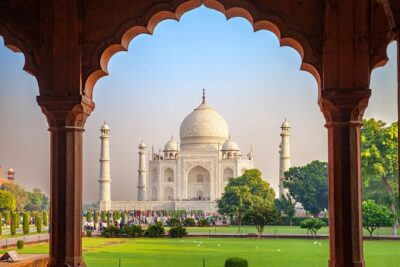
3-Days Private Golden Triangle Tour: Delhi, Agra & Jaipur by Car
Read our review →3-Days Private Golden Triangle Tour: Delhi, Agra & Jaipur by Car
Read our review →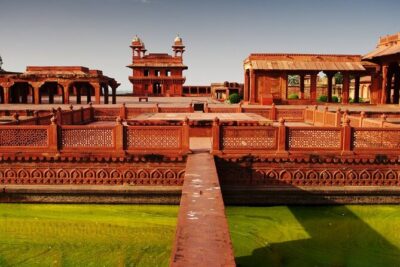
3-Day Delhi, Agra and Jaipur Private Tour – India Golden Triangle
Read our review →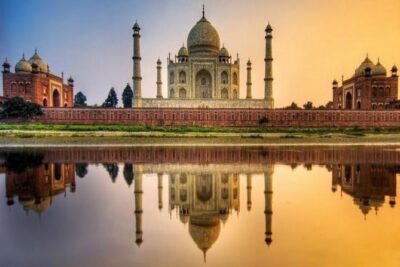
Four-Day Private Luxury Golden Triangle Tour to Agra and Jaipur From New Delhi
Read our review →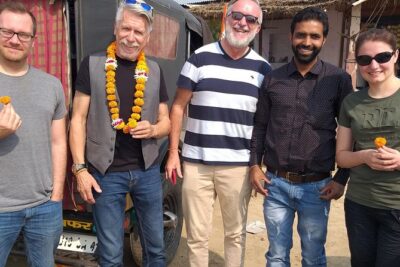
5 Nights 6 Days Private Golden Triangle Tour – Delhi Agra Jaipur
Read our review →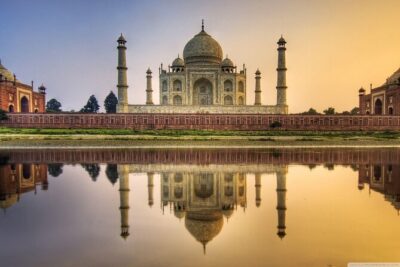

Private Car and Drive for Golden Triangle (4N/5D)
Read our review →
Private Golden Triangle Tour Delhi Agra Jaipur ( Top Rated )
Read our review →Browse the lists this tour appears in