Reviewed · FOOD
Learn 5-6 & Eat 9-10 Veg & Non-Veg Authentic Dish in a Delhi Home
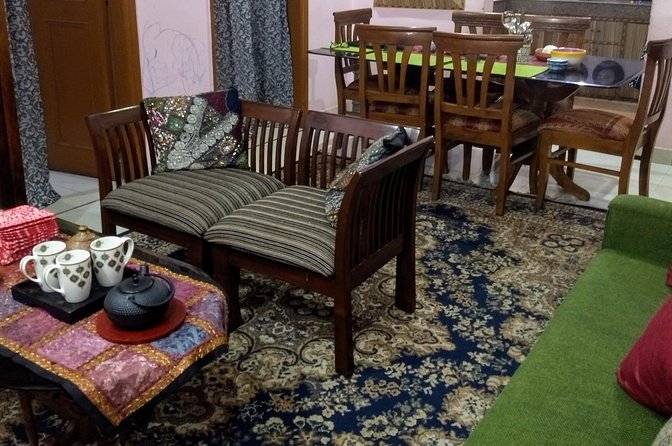
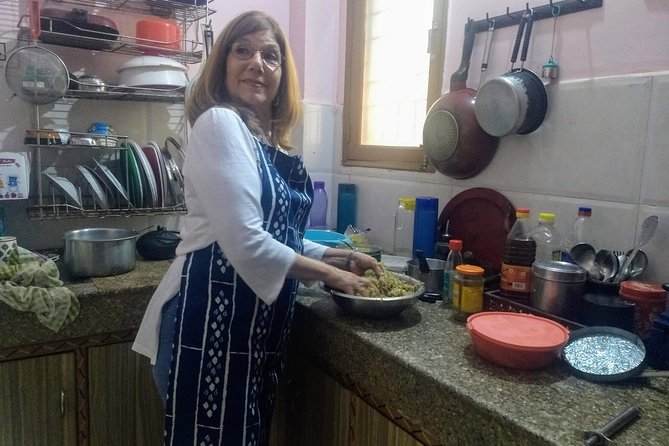
The best part of this Delhi experience is that you do not simply watch a chef cook. You work beside Malika and Anurag in their family home, learning the steps behind curry, lentils, kebabs, bread, rice, and dessert. The meal also opens the door to conversation about Indian customs, family life, and the place food holds at festivals and gatherings.
I like the private format, since your group can move at its own pace and ask as many kitchen questions as it wishes. I also like the thoughtful menu planning: Malika has prepared in advance for visitors’ interests and dietary needs, including a pescatarian menu with egg curry for one recent participant.
The main thing to consider is the location. You meet at Nishat Park in Sector 15, Dwarka, at 3 pm, and private transportation is not included in the inclusions shown here. The cooking session is also a long commitment, about six to seven hours, so it suits curious food lovers more than anyone looking for a quick evening meal.
Key points to know before booking
- Cook in a Delhi family home: This is a private class with Malika and Anurag, not a large demonstration kitchen.
- Learn several dishes hands-on: You help prepare about five or six Indian foods, with guidance adjusted to your pace.
- Eat across the menu: Expect at least 10 items, including snacks, bread, rice, curry, lentils, vegetables, and dessert.
- Vegetarian and non-vegetarian options: The meal can include chicken or mutton, with vegetarian dishes and menu changes possible for dietary needs.
- Plan for a 3 pm start in Dwarka: The activity ends back at the meeting point, and transport is not listed as included.
- Private value for food-focused visitors: The $120 price buys a long personal session and dinner, rather than only a recipe lesson.
Cooking Indian food in a real Delhi home
This is a food class first, but it is also a chance to see how cooking fits into everyday Indian life. You arrive at the family home and begin with an informal chat. Choose masala tea, coffee, or another traditional Indian drink, then settle in with two Indian snacks.
That opening matters. You are not rushed straight to a chopping board. You have time to meet your hosts, discuss the menu, and explain what you want to learn. A small conversation at the start can make a big difference if you are vegetarian, pescatarian, avoiding a particular ingredient, or simply keen to understand one dish better.
Malika and Anurag both take part in the class. They come from different cultures, traditions, and faiths, and their home provides part of the lesson. You learn about food, but you also hear how customs and family habits can differ across India and within a single household.
The setting is more personal than a standard group cooking class. Since the activity is private, only your group participates. That gives you room to stop, ask for another explanation, or work at a slower pace if Indian cooking techniques are new to you.
More food tours in New Delhi:
- The Great Indian Food Tour: Old Delhi Food and Heritage Walk
★ 5.0 · 1,698 reviews - Old Delhi Food, Heritage&Cultural Walk with Rickshaw ride to Masterji Kee Haveli
★ 5.0 · 742 reviews - Old Delhi Street Food Tour
★ 5.0 · 497 reviews
The first tastes: masala tea, pakora, and Delhi street snacks
The snack course gives you a quick introduction to several familiar Indian flavors. The included foods can include mixed vegetable pakora, chaat with green sauce, and dahi bhalla. These dishes are useful teaching tools because they show different combinations of spice, tang, texture, and cooling yogurt.
Pakora offers the familiar pleasure of crisp fried vegetables. Chaat brings sharper flavors and a street-food feel, while dahi bhalla balances the meal with yogurt. You may not prepare every snack from start to finish, but you taste them early and use them as a doorway into the larger menu.
The drinks and snacks also make the timing more comfortable. A 3 pm start means the class begins before dinner, so this first round gives you something to eat while the main dishes take shape. If you are not used to a late Indian meal, that is helpful.
Do not expect a polished restaurant tasting menu. The appeal is the home setting and the chance to connect each dish with how it is served in Indian homes and during special occasions. Some visitors will find the casual approach more memorable than a tightly scripted class. Others may prefer a more formal lesson with exact measurements and printed recipes, which are not promised here.
Learning the main dishes, one practical step at a time
The advertised class focuses on making Indian cooking manageable at home. You take part in preparing a selection of dishes rather than simply standing nearby while someone else cooks. The exact menu can vary, but the planned dinner includes a lentil dish, a dry vegetable preparation with cottage cheese, one curry, one tikka or kebab, biryani, naan, and homemade dessert.
That is a broad lesson in one evening. Lentils show you a basic part of many Indian meals. A dry vegetable dish with cottage cheese adds a vegetarian main course. Curry provides the familiar sauce-based centerpiece, while tikka or kebab brings a different texture and cooking method.
The non-vegetarian choice is listed as either chicken or mutton curry, with chicken or mutton biryani also included among the meal components. You should confirm your preferred menu before the class, since the experience is designed around one selected option rather than every possible meat dish.
The hands-on style is especially useful if you are a kitchen beginner. One participant described herself as a novice and found the class easy to follow. That detail is worth noting: you do not need advanced cooking skills to take part. The hosts aim to teach at a pace that works for you.
At the same time, this is not a professional chef-training course. The focus is on familiar home cooking, cultural context, and a shared meal. If you want advanced knife work, restaurant plating, or technical instruction in regional Indian cuisines, this may feel too relaxed.
A menu that can change for dietary needs
The experience includes both vegetarian and non-vegetarian food, but the menu is not locked in the same way a restaurant tasting menu might be. Malika has made an effort to plan around individual preferences, and one pescatarian participant received a fully customized menu with egg curry as a highlight.
That is one of the most useful features here. You can tell the hosts what you eat and what you want to understand before the class. The supplied details do not promise every possible substitution, so you should provide clear information at booking and confirm what can be prepared.
For vegetarians, the meal already includes lentils, dry vegetables with cottage cheese, naan, dessert, and snacks. For meat eaters, the menu can include one chicken or mutton curry, a tikka or kebab, and chicken or mutton biryani. These choices give you a proper meal rather than a token vegetarian side dish.
If you have allergies or strict dietary requirements, treat the advance conversation as essential. The hosts are described as accommodating, but the published information does not specify separate cooking equipment, allergy controls, or every ingredient used in each dish.
Same starting point, a completely different day out:
- Old & New Delhi City Tour – Half or Full Day Options Available
★ 5.0 · 4,811 reviews - Same Day Taj Mahal, Agra Fort & Baby Taj Tour from Delhi by Car
★ 5.0 · 4,304 reviews - Taj Mahal Day Tour from Delhi by Superfast Train – TOP RATED TOUR
★ 5.0 · 4,166 reviews - Full Day Taj Mahal, Agra Fort & Baby Taj Tour from Delhi by Car
★ 5.0 · 3,647 reviews
Sharing the finished dinner with Malika and Anurag
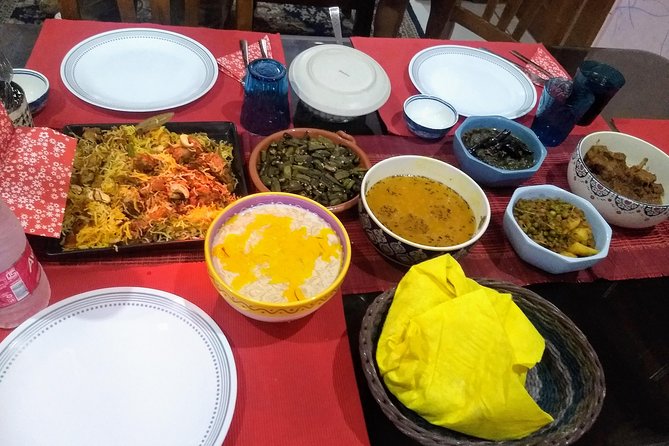
Once the cooking is finished, you sit down to eat the food you helped prepare. This is where the class becomes more than a recipe lesson. You can compare the dishes, ask about when they are served, and hear how food connects with family occasions and regional customs.
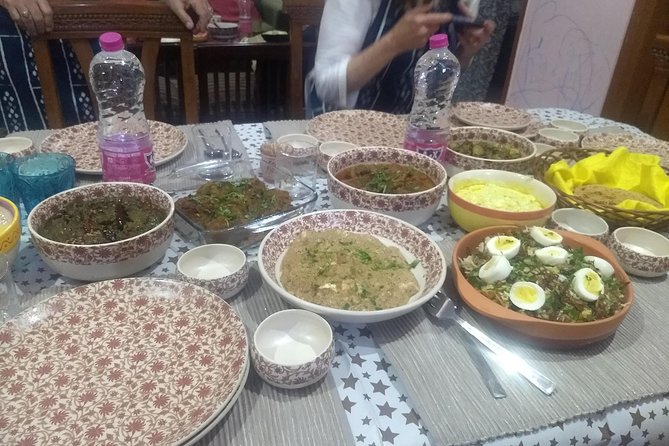
The dinner includes a choice of chicken or mutton curry, one tikka or kebab, lentils, a dry vegetable dish with cottage cheese, biryani, naan, and homemade dessert. Along with the opening snacks, that makes for a substantial spread and explains the long duration.
Biryani and naan are particularly useful additions for anyone trying to understand a full Indian meal. The rice brings another layer of seasoning and texture, while naan gives you a way to enjoy the curry and lentils. Dessert finishes the meal in the home-cooked style promised by the class.
You should arrive hungry but not starved. The opening snacks come before the main dinner, and the class lasts for several hours. Eating lightly earlier in the day makes sense, but you should not assume every dish will arrive at once.
The meal is also the natural time for conversation. You can discuss traditions, faiths, different societies, and the way food changes from one Indian region or occasion to another. The best value here comes from that combination of food and exchange, not from the amount of food alone.
Why the private format matters
A private booking changes the feel of a cooking lesson. You are not sharing the stove with a large class, and the hosts can spend their time with your group. That is useful if one person wants to ask about vegetarian cooking while another wants help with a meat dish or bread.
It also makes the class a good fit for couples, families, and small groups with different food interests. You can ask Malika and Anurag to explain a step again, and the supplied details state that you learn at your own pace.
The trade-off is price. At $120 per person, this is not a bargain meal. You are paying for a private class, a long visit, snacks, a multi-course dinner, and cultural conversation. Compared with a simple Delhi restaurant dinner, it costs much more. Compared with a private cooking lesson and hosted meal, the price is easier to justify.
Group discounts may be available, though the exact terms are not given. If you are traveling with several people, check the final group price before booking. The private format may make more financial sense for a small group than for one person traveling alone.
Timing and getting to Nishat Park in Dwarka
The meeting point is Nishat Park, Sector 15, Dwarka, Delhi, with a 3 pm start. The activity ends back at the meeting point. Dwarka is in southwest Delhi, so you should allow enough time to reach the starting area and avoid arriving at the last minute.
The listing notes nearby public transportation, but it does not provide a detailed pickup plan. The overview refers to hassle-free hotel transfers, while the included items say private transportation is not included. Because those details do not fully match, confirm the meeting and transfer arrangements before you set out.
This is an important practical point. Do not assume that a hotel pickup is automatically part of the $120 price. Plan to reach Nishat Park yourself unless the provider confirms another arrangement.
The late afternoon start works well for a dinner-focused class. You get the opening tea and snacks, cook through the evening, then finish with the main meal. It does mean you will give up most of your evening, so avoid scheduling a show, restaurant reservation, or other fixed activity afterward.
Who will get the most from this Delhi food class
I would recommend this to anyone who wants food to be the center of a Delhi visit. It suits you if you enjoy asking questions, trying several dishes, and learning by doing rather than taking photos of a chef at work.
It is also a strong choice for a first visit to India if you want a friendly introduction to home cooking. The hosts discuss customs, occasions, and family life, giving the dishes a setting beyond a restaurant menu.
Pescatarians and visitors with other preferences should contact the hosts early. The menu has been adjusted successfully for an individual pescatarian, but your needs still need to be discussed in advance.
Families may appreciate the private setting and flexible pace. The available information does not state a minimum age, child price, or specific facilities for children, so ask before booking if you are bringing young ones.
This is less suitable if you want a quick, cheap food stop, a strictly vegetarian class with no meat prepared, or a lesson devoted to one narrow regional cuisine. It is also not ideal if your evening plans leave no room for a six to seven-hour commitment.
Practical booking notes and cancellation terms
Confirmation is provided at booking, and mobile tickets are supported. The activity is private, with only your group participating.
Free cancellation is available if you cancel at least 24 hours before the local start time. Cancellations within 24 hours are not refunded, and changes made during that period are not accepted. Keep the fixed 3 pm start in mind when making your plans.
The experience has a five-star rating from 18 reviews, with 100 percent recommending it. The strongest praise centers on Malika and Anurag’s warmth, the sense of being welcomed into a family setting, the adaptable menu, and the quality of the food. Those points match the design of the class, but you should still book it for the home-cooking format rather than expecting a restaurant-style production.
Should you book this home cooking experience?
Book it if you want a long, personal evening built around Indian food, conversation, and participation. The combination of about five or six cooking lessons, at least 10 foods, a full dinner, and time with Malika and Anurag gives the $120 price a reasonable basis for food-focused visitors.
Before paying, confirm your dietary needs, preferred chicken, mutton, or vegetarian menu, and how you will get to Nishat Park. If you are happy to spend most of an evening in Dwarka and want more than another restaurant meal, this is a thoughtful choice. If you mainly need a fast introduction to Indian dishes, choose a shorter class instead.
FAQ
Where does the cooking class begin?
The meeting point is Nishat Park in Sector 15, Dwarka, Delhi, India.
What time does the activity start?
The class starts at 3 pm.
How long does the experience last?
The activity lasts about seven hours, while the cooking class itself is described as approximately six hours.
What food is included?
The experience includes masala tea or coffee, Indian snacks such as mixed vegetable pakora, chaat with green sauce, and dahi bhalla, followed by curry, tikka or kebab, lentils, dry vegetables with cottage cheese, biryani, naan, and homemade dessert.
Can the menu be adjusted for dietary needs?
The hosts can customize the menu for dietary preferences, and a pescatarian menu has been prepared previously. You should share your requirements before the class.
Is transportation included?
Private transportation is not listed among the inclusions. The activity ends back at the meeting point, and you should confirm any hotel transfer arrangements before booking.
Newly reviewed around New Delhi
- Private Customized Tour Of Old/New Delhi Spiritual Sites★ 5.0 · 5 reviews
- Yoga and Meditation Classes in Gurgaon★ 4.5 · 8 reviews
- Yoga class in Delhi★ 5.0 · 29 reviews
- Old Town Delhi Walking Tour (2 Hours Guided Tour with Local)★ 4.5 · 22 reviews
- 5 Days Golden Triangle Tour with Ranthambore(Delhi Agra Jaipur Ranthambore Tour)★ 5.0 · 3 reviews
- Wonderful Old & New Delhi sightseeing tour★ 5.0 · 3 reviews
- Hidden Gems of Old Delhi – Walk★ 5.0 · 8 reviews
- Delhi Zoo White Tigers & lions with Old Fort Visit★ 4.5 · 5 reviews
Food, compared.
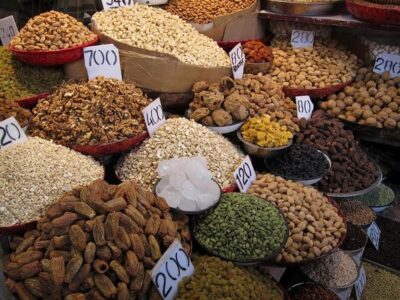
The Great Indian Food Tour: Old Delhi Food and Heritage Walk
Read our review →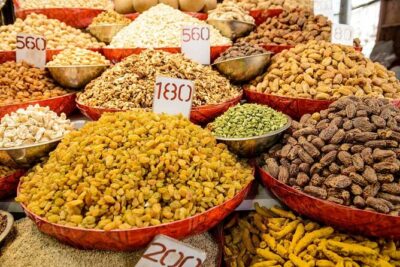
Old Delhi Food, Heritage&Cultural Walk with Rickshaw ride to Masterji Kee Haveli
Read our review →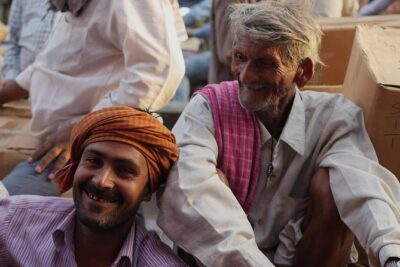
Delhi Food Walk: Rickshaw Ride, Street Eats & Market Tour
Read our review →
Old Delhi Street Food Tour – Explore Spices in Chandni Chowk
Read our review →
Old Delhi Food-Spice Market-Temples Tour Soon Featured on NETFLIX
Read our review →
Chandni Chowk Delhi Food Tour with 15+ Tastings
Read our review →