
Reviewed · JAIPUR TOURS FROM DELHI
Golden Triangle of India : Delhi | Agra | Jaipur
The Taj Mahal is the star, but this five-day private road trip gives you a much broader look at northern India. You move from Delhi’s Mughal monuments to Agra’s grand imperial sites, then on to Jaipur’s forts, palaces, markets, and astronomical observatory.
I like the private car and driver, which saves you from sorting out long road transfers yourself. I also like that guides meet you at the major monuments, where a little historical context makes the Taj Mahal, Agra Fort, and Amber Fort far more meaningful. The drawback is the pace: five days covers a lot of ground, and several days include long drives.
Key points at a glance
- Old Delhi by rickshaw: Ride through Chandni Chowk after visiting Jama Masjid, a quick way to see the old city’s tight lanes and market life.
- The Taj Mahal and Agra Fort: Two major Agra sights are covered with admission fees included.
- Fatehpur Sikri and Chand Baori: Break up the road to Jaipur with an abandoned Mughal city and a remarkable stepwell.
- Jaipur’s royal center: City Palace, Jantar Mantar, and Hawa Mahal give you three different views of the Pink City.
- Private touring: Only your group takes part, with an air-conditioned vehicle and a guide at each major sight.
- Useful inclusions: Four hotel nights, monument tickets, transfers, daily bottled water, and hotel or airport drop-off are included.
Delhi begins with Jama Masjid and Old Delhi
Your tour starts with pickup in New Delhi at 9:00 a.m. After customs, you meet the MTA representative outside Gate 5, holding a sign with your name. That detail matters after an international flight, when finding a driver in an unfamiliar airport can be tiring.
The first major stop is Jama Masjid, one of Old Delhi’s best-known landmarks. You have about an hour here, enough to take in the scale of the mosque and its setting in Shahjahanabad, the old Mughal city. Your guide can help connect the building to Delhi’s imperial past rather than leaving you with only photographs.
Next comes a rickshaw ride through Chandni Chowk. This is not a long sightseeing ride, but it gives you a close view of the old city’s narrow lanes, shopfronts, traffic, food stalls, and constant movement. I like this part because a car cannot show you Old Delhi in quite the same way.
You then visit Raj Ghat, the memorial to Mahatma Gandhi. The mood changes here. After the noise and tight streets of Old Delhi, the memorial offers a quiet pause and a chance to consider India’s modern political history.
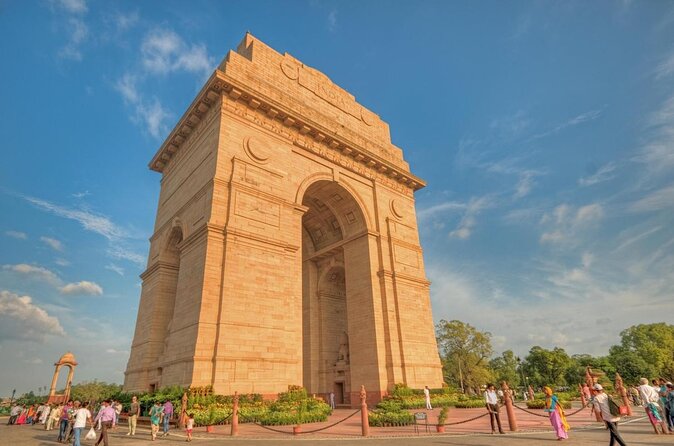
A drive along Rajpath follows, with views of India Gate, Parliament House, and the President’s House. This is mainly a panoramic sightseeing segment rather than a walking visit, so keep your camera ready and expect to see these buildings from the vehicle.
The day finishes at Qutub Minar, with about two hours to explore. The UNESCO-listed tower and surrounding complex provide a strong contrast to Jama Masjid. Qutub Minar is a major architectural site, and the longer visit gives you time to look beyond the tower at the remaining structures and stonework.
You then check into your Delhi hotel. The first day includes several different parts of the city, so it is full but varied. If you have just arrived from overseas, the combination of airport formalities, Old Delhi, and Qutub Minar may leave you ready for an early night.
More Jaipur trips from New Delhi:
- 3-Days Private Golden Triangle Tour: Delhi, Agra & Jaipur by Car
★ 5.0 · 1,107 reviews - 3-Days Private Golden Triangle Tour: Delhi, Agra & Jaipur by Car
★ 5.0 · 1,098 reviews - 3-Day Delhi, Agra and Jaipur Private Tour – India Golden Triangle
★ 5.0 · 812 reviews
Agra puts the Taj Mahal first
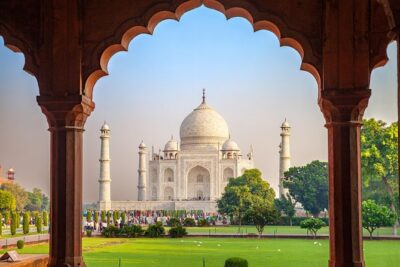
Day two takes you from Delhi to Agra by private car. The Taj Mahal is the main reason many people choose this route, and placing it at the center of the day makes sense. You have about two hours at the monument, enough time to view the white marble mausoleum, its gardens, and the surrounding complex.
The Taj Mahal was commissioned by Shah Jahan in memory of Mumtaz Mahal. Your guide adds value here by explaining the building’s purpose and Mughal setting while you look at the details in front of you. I would resist treating this as only a quick photo stop. Give yourself time to notice the symmetry, the marble work, and the way the building changes as you move around it.
The visit is guided, but the tour does not specify a special early access time. That means your exact experience can depend on the day and timing. The private car gives you control over your group’s movement, but it does not remove the possibility of crowds at one of India’s most visited monuments.
Agra Fort follows, with about an hour inside the riverside complex. This stop is important because it adds political and personal context to the Taj Mahal. The fort was begun by Akbar in 1565 and expanded by later Mughal rulers. It served as a royal residence, and its courtyards, walls, and chambers show how the empire operated.
I like the pairing of these two sites. The Taj Mahal is a memorial and architectural masterpiece, while Agra Fort is a working seat of power. Seeing both keeps Agra from becoming a single-monument visit.
The day’s details also show why the package can offer practical value. Admission fees and private transportation are included, so you are not stopping to arrange tickets or negotiate each transfer. Meals are not included, however, and beverages beyond the supplied water are your responsibility.
A hotel night in Agra follows. The Golden Tulip Agra is specifically associated with a positive stay in the available feedback, though the exact hotel assigned to your booking should be confirmed before departure. This is also a sensible place to set expectations with your guide. Shopping stops and restaurant recommendations can sometimes enter a private sightseeing day, so tell your guide clearly if you prefer monuments and independent meal choices. One account described being taken to shops and a restaurant where two people paid 3,200 rupees, which is a useful reminder to ask about prices before ordering and to decline shopping stops politely if they do not interest you.
Fatehpur Sikri and Chand Baori break up the road to Jaipur
Day three is the longest sightseeing transfer. You leave Agra for Jaipur, stopping at Fatehpur Sikri and Chand Baori on the way. Private transport makes this route much easier than piecing it together by public connections, but you should still expect a substantial road day.
Fatehpur Sikri receives about two hours. Built in red sandstone by Emperor Akbar, the city was abandoned after only 12 years. Its empty courtyards and grand structures make it one of the more unusual stops on the route. It is not simply another palace complex. The abandoned setting gives you a sense of a royal project that was planned on a grand scale but did not last.
Your guide is especially useful here because the buildings can blur together if you only walk through them without context. Ask about Akbar’s use of the city and why it was left behind. The tour includes the entrance fee, so your main concern is having enough time to explore at a comfortable pace.
The next stop is Chand Baori in Abhaneri, about 45 minutes. This ninth-century sandstone stepwell is an impressive piece of practical design. Its repeated stairs create a strong geometric pattern, and the structure shows how water storage could also become a carefully designed public space.
The short visit means you should use your time well. Chand Baori is a visual stop, but it also gives the route a different kind of historical interest. You have seen mosques, forts, tombs, and imperial cities. Here, the focus is water, construction, and daily life.
You continue to Jaipur for hotel check-in. This day is rewarding because it connects several places that are difficult to visit efficiently without a private vehicle. The tradeoff is clear: you spend much of the day in transit. If you prefer slow travel with long afternoons at one site, this itinerary may feel rushed.
Jaipur shifts from royal power to scientific precision
Day four stays in Jaipur and covers several of the city’s central sights. The first is the City Palace, a large complex that includes royal rooms and a museum with carpets and miniature paintings. You have about an hour here.
The palace gives you a look at Jaipur’s royal identity, while the museum adds smaller details that can be missed in a purely architectural visit. I would pay attention to the decorative arts rather than racing only toward the grand courtyards.
Jantar Mantar follows, with about 30 minutes scheduled. This astronomical observatory contains large instruments built for measuring time and tracking the sky. Its 27-meter sundial is the centerpiece, but the site makes more sense when your guide explains how the instruments were used.
The short time here is the main limitation. Jantar Mantar rewards explanation, and half an hour can feel brief if you want to understand each instrument. Still, it is an unusual stop and helps prevent the Jaipur day from becoming only palaces and photo points.
The itinerary then allows time for Jaipur markets, known for textiles and shopping. This is where you should be direct about your interests. If you want to browse, ask your guide for clear price information and take your time before buying. If shopping is not your priority, say so early.
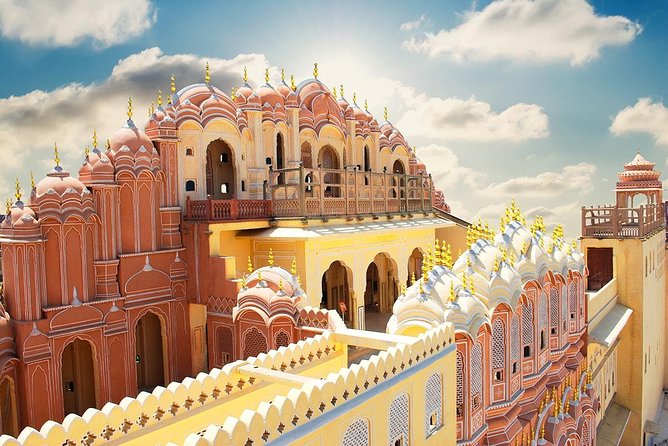
Hawa Mahal is a 15-minute photo stop. The Palace of Winds is famous for its ornate façade and rows of lattice windows. Fifteen minutes is enough for photographs, but not for a detailed interior visit. Think of it as a final city landmark rather than a full museum stop.
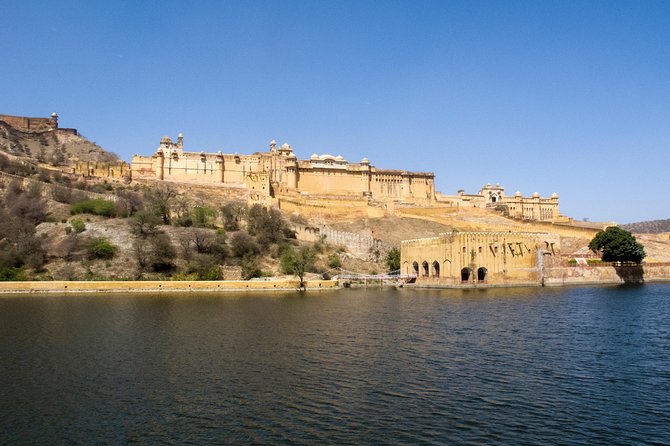
Amber Fort, highlighted as one of the tour’s main sights, is included in the Jaipur program description, although the day-by-day schedule supplied here does not assign it a separate stop or duration. Confirm how Amber Fort fits into your exact departure plan before booking if it is a must-see for you. That small point matters because the fort is one of Jaipur’s signature attractions, and the published daily timing otherwise focuses on City Palace, Jantar Mantar, and Hawa Mahal.
More Golden Triangle routes from New Delhi:
- Four-Day Private Luxury Golden Triangle Tour to Agra and Jaipur From New Delhi
★ 5.0 · 807 reviews - 5 Nights 6 Days Private Golden Triangle Tour – Delhi Agra Jaipur
★ 5.0 · 574 reviews - 4 Days Golden Triangle Tour
★ 5.0 · 499 reviews - Private Car and Drive for Golden Triangle (4N/5D)
★ 5.0 · 451 reviews
The private car is the main convenience
The tour uses a private, air-conditioned vehicle for transfers and sightseeing. Only your group participates, so you are not tied to a coach schedule or a large party’s pace. Your driver handles the roads, while an English-speaking guide provides sightseeing commentary at the major monuments.
That division works well. A driver who knows the route is useful on the Delhi to Agra and Agra to Jaipur legs, while a guide inside the monuments helps explain what you are seeing. You also receive two bottles of water per person per day, a modest but practical inclusion in a busy sightseeing schedule.
Pickup and drop-off are available at hotels and the airport. On day five, you leave Jaipur after breakfast and return to Delhi, where you are dropped at a hotel or the airport. The return transfer is listed at about five hours, so do not schedule a tight onward connection unless you have confirmed the timing directly.
The tour is described as suitable for most people, with no stated health restrictions. Even so, you should expect walking at forts, palaces, mosques, and monument compounds. The overall pace is active, especially on the Delhi and Agra days.
What the $769 price really covers
At $769 per person, the package includes four nights of twin-sharing accommodation, private transport, an English-speaking guide, monument entrance fees, the Old Delhi rickshaw ride, transfers, taxes, and bottled water. International flights, visas, insurance, meals not specified, tips, and personal spending are not included.
The value depends heavily on two things: the number of people in your group and the quality of the hotels assigned. For a couple or small private party, the price can be reasonable because it combines transport, admissions, accommodation, and guiding across three major cities. Booking these pieces separately would take time, and the long road transfers would require careful planning.
The private format is also worth paying for if you value control. You can travel only with your own group, avoid a large coach, and use a guide at the main sights. If you are a solo visitor, the per-person cost may feel higher because the room and vehicle costs are not spread across several people.
Meals are the main extra expense during the tour. You should also budget for tips, shopping, laundry, telephone calls, and any other personal purchases. Since one piece of feedback raised concerns about shopping and an expensive restaurant bill, I would agree in advance that you want to see prices before ordering and that optional shops should be clearly identified.
Who should book this Golden Triangle tour
I would choose this tour if you want the classic Delhi, Agra, and Jaipur route without arranging every hotel, driver, ticket, and guide yourself. It suits first-time visitors who want a structured introduction and couples or families who value a private vehicle.
It is also a good fit if you want more than the Taj Mahal. Jama Masjid, the Old Delhi rickshaw, Raj Ghat, Qutub Minar, Agra Fort, Fatehpur Sikri, Chand Baori, and Jaipur’s royal center create a much fuller picture of the region.
I would hesitate if you want long, unplanned afternoons or dislike road travel. The route is efficient, but it is not slow. You should also confirm the assigned hotels and ask exactly when Amber Fort is scheduled, since that sight is emphasized in the general description but not given its own timed entry in the daily schedule.
The tour has a 4.9 rating from 33 reviews and a 97 percent recommendation rate, which supports its appeal, but the lower-rated feedback points to an important practical lesson: keep shopping and restaurant choices under your control. Free cancellation is available if you cancel at least 24 hours before the start time. Weather or minimum-participant issues can also lead to a changed date or refund.
FAQ
How long is the Golden Triangle tour?
The tour lasts approximately five days and includes four nights of accommodation.
Which cities are included?
The route covers New Delhi, Agra, and Jaipur.
Is the tour private?
Yes. Only your group participates in the activity.
What transportation is provided?
A private, air-conditioned vehicle is provided for transfers and sightseeing. A rickshaw ride in Old Delhi is also included.
Are monument entrance fees included?
Yes. Entrance fees for the monuments listed in the program are included.
Is accommodation included?
Yes. Four nights of accommodation are included on a twin-sharing basis.
Can I cancel for a full refund?
Yes, if you cancel at least 24 hours before the experience start time. Cancellations made later are not refunded under the stated policy.
Should you book it?
Book this tour if you want the major Golden Triangle sights handled in one private package, with hotels, transport, guides, tickets, and airport or hotel transfers arranged. The strongest reasons are the private car, the useful mix of famous monuments and less familiar stops, and the chance to see the Taj Mahal without building the route yourself.
Before paying, confirm the hotel category, the exact guide language, the plan for Amber Fort, and how optional shopping stops are handled. If those details suit you, this is a practical and well-packed introduction to Delhi, Agra, and Jaipur.
More Agra Tours from New Delhi
- Same Day Taj Mahal, Agra Fort & Baby Taj Tour from Delhi by Car
★ 5.0 · 4,304 reviews - Full Day Taj Mahal, Agra Fort & Baby Taj Tour from Delhi by Car
★ 5.0 · 3,647 reviews - From Delhi: Taj Mahal & Agra Private Day Trip with Transfers
★ 4.9 · 3,181 reviews - From Delhi: Taj Mahal and Agra Fort Private Sunrise Tour
★ 4.9 · 2,270 reviews
Newly reviewed around New Delhi
- Private Customized Tour Of Old/New Delhi Spiritual Sites★ 5.0 · 5 reviews
- Yoga and Meditation Classes in Gurgaon★ 4.5 · 8 reviews
- Yoga class in Delhi★ 5.0 · 29 reviews
- Wonderful Old & New Delhi sightseeing tour★ 5.0 · 3 reviews
- Old Town Delhi Walking Tour (2 Hours Guided Tour with Local)★ 4.5 · 22 reviews
- 5 Days Golden Triangle Tour with Ranthambore(Delhi Agra Jaipur Ranthambore Tour)★ 5.0 · 3 reviews
- Hidden Gems of Old Delhi – Walk★ 5.0 · 8 reviews
- Delhi Zoo White Tigers & lions with Old Fort Visit★ 4.5 · 5 reviews
Jaipur Tours from Delhi, compared.
3-Days Private Golden Triangle Tour: Delhi, Agra & Jaipur by Car
Read our review →3-Days Private Golden Triangle Tour: Delhi, Agra & Jaipur by Car
Read our review →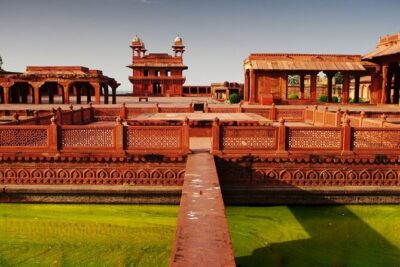
3-Day Delhi, Agra and Jaipur Private Tour – India Golden Triangle
Read our review →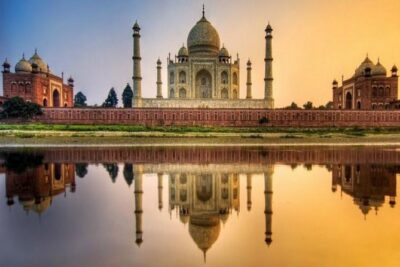
Four-Day Private Luxury Golden Triangle Tour to Agra and Jaipur From New Delhi
Read our review →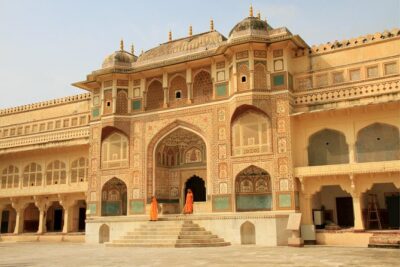
Jaipur Day Trip from Delhi by Car or Train – All Inclusive
Read our review →
Jaipur City Private Day Tour from Delhi by Car – All Inclusive
Read our review →
5 Nights 6 Days Private Golden Triangle Tour – Delhi Agra Jaipur
Read our review →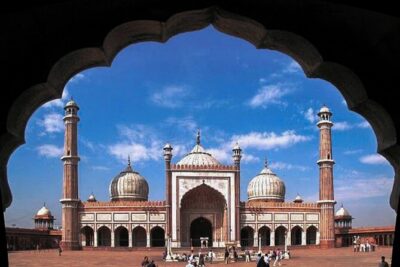
Private Golden Triangle Tour Delhi Agra Jaipur ( Top Rated )
Read our review →Browse the lists this tour appears in