
Reviewed · WALKING TOURS
Foodies Walk Through New Delhi
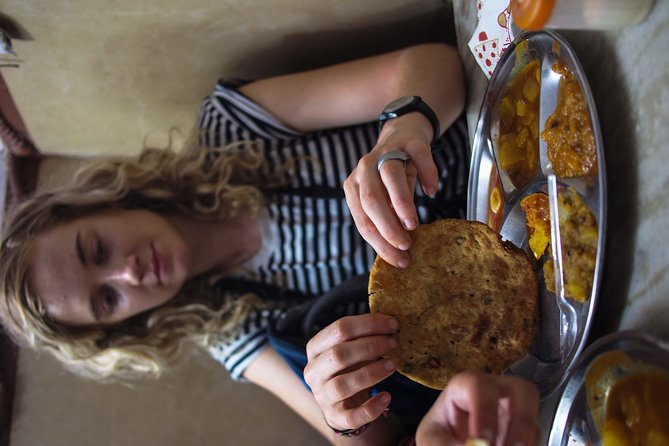
Delhi makes you work for its best food, and this walk puts that work in capable hands. Starting around Patel Nagar and Paharganj, you taste the city in small portions that build into a full meal: chole bhaturas, aloo chaat, chole kulchas, samosas, soups, sweets, ice cream, and kebabs.
I like two things here. First, the food is not limited to one famous dish or one polished restaurant. Second, the guide adds everyday context, from local customs to using Delhi’s transport system. The main consideration is the meeting-point information: the details name both Shadipur and Patel Nagar Metro Station, so confirm the exact place before setting out.
Key points at a glance

- A full afternoon of Delhi food: Plan on 4 to 5 hours and enough tasting to replace a regular meal.
- Local dishes in several areas: The route includes Patel Nagar, Paharganj, and Connaught Place.
- Plenty beyond samosas: Expect chole bhaturas, aloo chaat, chole kulchas, coffee, tomato and mushroom soups, ice cream, sweets, and more.
- Meat comes near the end: Chicken and mutton kebabs are included for those who eat meat.
- Small group format: The maximum group size is 10 people, giving the walk a more personal feel.
- Useful Delhi orientation: The guide can add advice about customs, religion, daily life, and moving around the city.
Why this food walk works in Delhi
A food walk is a smart first activity in Delhi because it gives you both a meal and a basic map of the city. Instead of sitting in one restaurant and ordering dishes from a menu, you move through several food areas and see how eating fits into daily life.
This experience links three parts of central Delhi: Patel Nagar, Paharganj, and Connaught Place. They do not offer the same mood or the same type of food. Paharganj is aimed heavily at people passing through Delhi, while Patel Nagar has its own local market life and food combinations. Connaught Place brings you into the city center, where older Delhi flavors meet a more commercial setting.
I also like the pace. Four to five hours gives the guide time to explain what you are eating instead of rushing you from one counter to the next. You get coffee, soups, snacks, sweets, and a final round of kebabs. Since the food comes in stages, you can sample widely without ordering a large plate of every dish.
The guide named in the details is Shiva, although one account spells the name Silva. His role goes beyond pointing out food stalls. The experience includes explanations about customs, religion, daily Delhi life, and practical ways to move around the city. That extra orientation can be useful if this is your first day in India.
More walking tours in New Delhi:
- The Great Indian Food Tour: Old Delhi Food and Heritage Walk
★ 5.0 · 1,698 reviews - Old Delhi Food, Heritage&Cultural Walk with Rickshaw ride to Masterji Kee Haveli
★ 5.0 · 742 reviews - Breakfast Walk in Old Delhi
★ 5.0 · 449 reviews
Starting around Patel Nagar and Shadipur
The scheduled start time is 2:00 pm. The meeting-point information gives Shadipur Metro Station, near DTC Colony, as the start, while the route details also identify Patel Nagar Metro Station outside exit gate number 2. Those are nearby areas, but they are not the same stated location.
You should confirm the precise meeting point after booking. This is the one piece of planning I would not leave to chance. Delhi’s roads and metro exits can be confusing, and arriving at the wrong gate can cost you the opening part of the walk.
The starting area matters because the tour is not confined to the postcard center of Delhi. You begin among ordinary residential and market surroundings, where food is often made for regular local customers rather than for sightseeing groups. That can mean less ceremony and more direct contact with the way people actually eat.
The walk includes coffee and soups, specifically tomato and mushroom soup, along with early snacks. These lighter items help set the pace before the heavier dishes arrive. You may want a small breakfast or lunch beforehand, but avoid eating a large meal. The advertised food list is long.
Paharganj, where food meets the traveler trade

Paharganj is one of the most useful stops for understanding Delhi’s visitor economy. It has catered to people passing through for decades, and its markets, modest hotels, food shops, and informal eating places reflect that role.
The area is not presented as a grand monument district. Its value is in watching how a neighborhood works. You see the kind of streets where people come to shop, sleep, eat, bargain, and arrange the next leg of a journey. The guide can help you read the scene instead of simply walking past it.
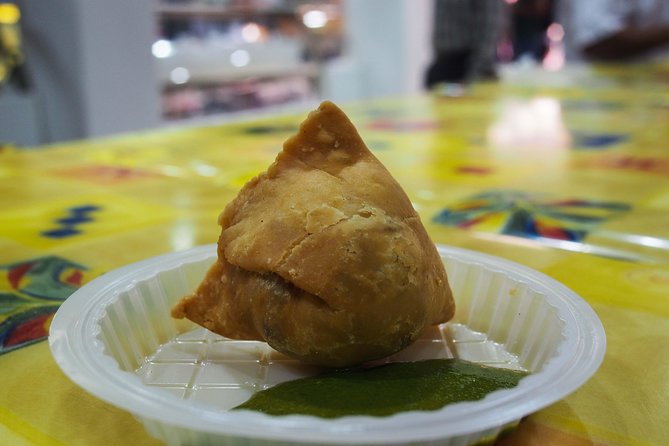
Food here has a practical, filling character. Delhi snacks are built to satisfy, and the tour includes several classic examples. Samosas offer a crisp, savory start. Aloo chaat brings potato, seasoning, and contrasting textures. Chole kulchas pair spiced chickpeas with bread, while chole bhaturas are heavier still, with chickpeas served alongside fried bread.
You should expect the food to be served in tasting portions rather than as a single formal dinner. The precise order can change, and the guide may adjust the route or dishes. That flexibility is useful in a market setting, but it also means this is not a fixed restaurant menu with every item guaranteed at a particular time.
Patel Nagar’s local food combinations
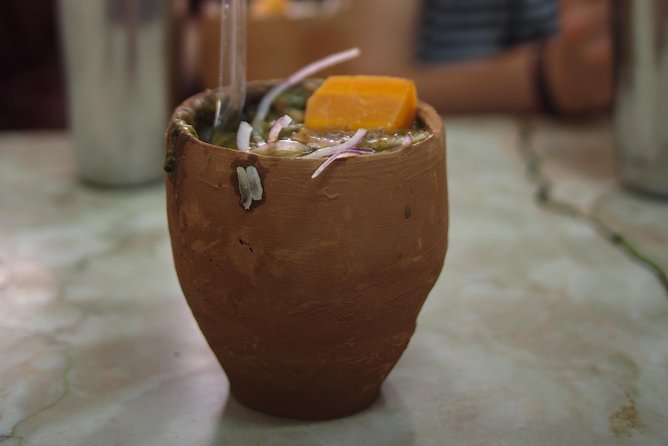
Patel Nagar gives the walk a different angle. The food market here is described as a place for Indian combinations that may be difficult to find elsewhere in the country. That makes this more than a basic list of famous Delhi snacks.
For you, the benefit is variety with local framing. A dish may be familiar in name, but the way it is paired, seasoned, or served can change from one part of India to another. The guide can explain those differences as you eat, making the food easier to understand and remember.
This part of the walk is also useful if you want a look at a neighborhood outside Delhi’s main sightseeing circuit. You are not only moving between tourist landmarks. You are seeing a food district whose appeal comes from everyday use.
The trade-off is that market areas can be crowded and untidy. The experience is designed around the street, not a quiet dining room. If you need a highly controlled setting, have strict dietary requirements, or prefer to choose each ingredient yourself, this may feel less comfortable.
Same starting point, a completely different day out:
- Old & New Delhi City Tour – Half or Full Day Options Available
★ 5.0 · 4,811 reviews - Same Day Taj Mahal, Agra Fort & Baby Taj Tour from Delhi by Car
★ 5.0 · 4,304 reviews - Taj Mahal Day Tour from Delhi by Superfast Train – TOP RATED TOUR
★ 5.0 · 4,166 reviews - Full Day Taj Mahal, Agra Fort & Baby Taj Tour from Delhi by Car
★ 5.0 · 3,647 reviews
Connaught Place and the changing face of Delhi food
Connaught Place brings the walk toward central Delhi’s best-known commercial center. Its broad layout and formal buildings create a sharper contrast with the more market-based areas earlier in the afternoon.
The point is not simply to end in a famous district. The route shows how native dishes change as they move through different parts of the city. Food eaten in a local market, a district serving people on the move, and a central commercial area may share a name while differing in presentation and audience.
Connaught Place is also a practical finish because it is familiar and well connected. You can use the area to continue sightseeing or make your way elsewhere after the tour. The stated end point, however, is back at the meeting point, so do not assume the walk finishes at the last tasting location.
The itinerary gives Connaught Place one hour and Paharganj about one hour and fifteen minutes, while the full experience lasts about four to five hours. The remaining time covers movement, explanations, and food stops. That leaves enough room for the tour to feel like a neighborhood walk instead of a rapid series of bites.
The food: from chole bhaturas to kebabs
The strongest part of the experience is the range. You are not paying for one specialty. The included tastings cover hot drinks, soups, vegetarian snacks, sweets, frozen treats, and meat.
The listed food includes:
- Coffee
- Tomato and mushroom soups
- Chole bhaturas
- Aloo chaat
- Chole kulchas
- Samosas
- Ice cream
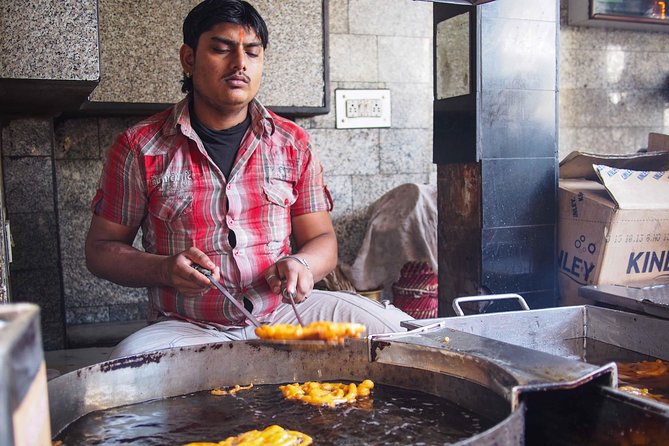
- Sweets
- Chicken kebabs
- Mutton kebabs
The exact portions are not stated, but the meal is clearly intended to be substantial. One account describes leaving very full and calls the food enough for the whole day. I would plan accordingly. Eat slowly, share when possible, and tell the guide early if you need to limit portions.
Sweets receive particular attention. Extra sweets may be packed for you to take away, so you can enjoy them again later. That is a nice practical touch, especially because a sugar-heavy finish can be hard to manage after several savory dishes.
Meat eaters get chicken and mutton kebabs at the end. This placement makes sense: the earlier food leans heavily toward vegetarian Delhi snacks, while the kebabs provide a final savory course. If you do not eat meat, confirm what alternatives are available rather than assuming the kebab course can be replaced.
What the guide adds beyond the plate
The food is the reason to book, but the guide is what gives the walk shape. Shiva is described as helping with customs, religion, everyday life, and local transport. That makes the tour useful beyond its four-hour time slot.
You can ask questions as you go. Delhi has plenty of small practical puzzles: how to approach a market, how to read a metro connection, how to judge a food stall, and how to understand local eating habits. A guide who knows the route can save you from treating every unfamiliar sight as a problem.
The guide may also help you understand the difference between food made for people who live nearby and food made for people passing through. That distinction matters in Paharganj, where the market serves a large transient population, and in Patel Nagar, where the food has a more local neighborhood context.
Keep your expectations sensible. This is not a cooking class, a history tour, or a private culinary lecture. Its strength is the combination of walking, tasting, and conversation.
Price, group size, and overall value
At $80, this is not the cheapest way to eat in Delhi. You can buy individual snacks for much less. The value comes from the amount of food, the guide, the route between several areas, bottled water, and the confidence of having someone organize the experience.
The maximum group size is 10. That is small enough for questions and group movement without making the activity feel like a large bus outing. The actual group may be smaller, but the supplied details do not promise a private tour.
Included items are the guide, coffee, soups, snacks, food, sweets, and mineral water bottles. Tips and souvenirs are extra. You should also keep a little flexibility in your budget for anything not covered by the food list, though the core tastings are included.
There is a special offer for a group of four: hotel pickup and drop-off by car in Delhi are listed as free. Do not count on this unless your party fits that condition and the provider confirms it. For everyone else, the metro meeting point is the practical plan.
Who should book this walk
I would choose this experience if you want a food-focused introduction to Delhi and prefer local streets to a single sit-down meal. It suits first-time visitors who want help with customs and transport, as well as returning visitors looking for neighborhoods outside the standard sightseeing route.
It is also a good match for people who like variety. You may sample many dishes in one afternoon instead of committing to one restaurant. The combination of vegetarian snacks, sweets, soup, and kebabs gives you a broad first look at Delhi eating.
Families and mixed groups may appreciate the range, but everyone should be comfortable walking through market areas and eating food selected by the guide. People with allergies, strong dietary restrictions, or a low tolerance for rich food should ask questions before booking.
The experience is less suited to someone who wants a carefully timed restaurant meal, extensive monument visits, or a short one-hour tasting. It is a food walk first, with cultural and neighborhood observations built around it.
Practical details before you go
The activity runs every day and starts at 2:00 pm. Allow at least four hours, and preferably five, so you are not trying to schedule another fixed appointment immediately afterward.
A mobile ticket is provided. The tour ends back at the meeting point. Since the stated meeting details include both Shadipur and Patel Nagar, confirm the exact station exit and location in advance.
Most people can participate, and the maximum group size is 10. The tour requires good weather and a minimum number of participants. If poor weather or low enrollment causes cancellation, you are offered another date or a full refund.
Free cancellation is available up to 24 hours before the start time. Cancellations or changes made less than 24 hours ahead are not refunded or accepted, so keep that deadline in mind.
Should you book Foodies Walk Through New Delhi?
Book it if you want a hearty, guided introduction to Delhi food, especially if you value local market areas, practical city advice, and many small tastings over a polished restaurant setting. The strongest reasons are the range of dishes, the attention to sweets, the final chicken and mutton kebabs, and the chance to see Patel Nagar and Paharganj alongside Connaught Place.
Think twice if you need a precise menu, a quiet setting, or a route with no meeting-point uncertainty. Confirm the starting location, arrive hungry but not stuffed, and tell the guide about dietary limits before the first stop. For a first afternoon in Delhi, the $80 price can make sense because you are buying much more than food: you are buying a guided introduction to how the city eats and moves.
FAQ
How long does Foodies Walk Through New Delhi last?
The experience lasts approximately 3 to 4 hours in the summary, while the detailed information gives a duration of 4 to 5 hours. Plan for about four to five hours.
What time does the tour start?
The tour starts at 2:00 pm.
Where does the tour meet?
The meeting-point details list Metro Station Shadipur near DTC Colony, while the route information gives Patel Nagar Metro Station outside exit gate number 2. Confirm the exact meeting location after booking.
What food is included?
Included tastings include coffee, tomato and mushroom soups, chole bhaturas, aloo chaat, chole kulchas, samosas, ice cream, sweets, and more. Chicken and mutton kebabs are offered at the end for meat eaters.
How many people can join the tour?
The maximum group size is 10 participants.
Can I cancel for a full refund?
Yes. You can cancel at least 24 hours before the start time for a full refund. Cancellations made less than 24 hours before the start time are not refunded.
Newly reviewed around New Delhi
- Private Customized Tour Of Old/New Delhi Spiritual Sites★ 5.0 · 5 reviews
- Yoga and Meditation Classes in Gurgaon★ 4.5 · 8 reviews
- Yoga class in Delhi★ 5.0 · 29 reviews
- Old Town Delhi Walking Tour (2 Hours Guided Tour with Local)★ 4.5 · 22 reviews
- 5 Days Golden Triangle Tour with Ranthambore(Delhi Agra Jaipur Ranthambore Tour)★ 5.0 · 3 reviews
- Wonderful Old & New Delhi sightseeing tour★ 5.0 · 3 reviews
- Hidden Gems of Old Delhi – Walk★ 5.0 · 8 reviews
- Delhi Zoo White Tigers & lions with Old Fort Visit★ 4.5 · 5 reviews
Walking Tours, compared.
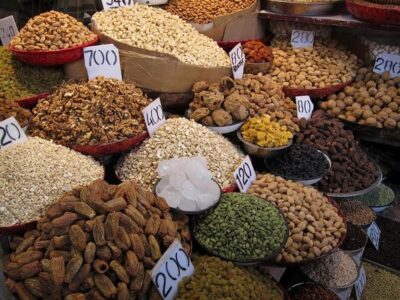
The Great Indian Food Tour: Old Delhi Food and Heritage Walk
Read our review →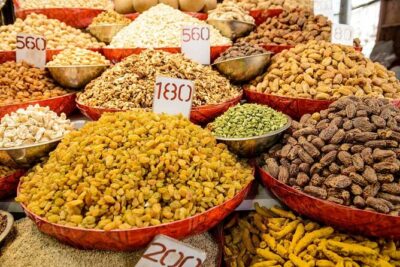
Old Delhi Food, Heritage&Cultural Walk with Rickshaw ride to Masterji Kee Haveli
Read our review →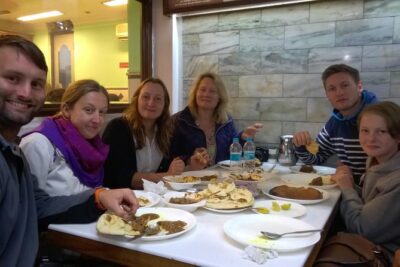
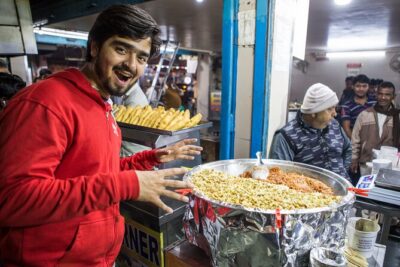
Delhi Food Walk: Rickshaw Ride, Street Eats & Market Tour
Read our review →
3-hour Old Delhi Heritage Walking tour with Rickshaw Ride
Read our review →
Old Delhi Walking Tour: Food, Culture & Spice Bazaars
Read our review →Browse the lists this tour appears in