
Reviewed · NEW DELHI
Dalai Lama Himalayan Trek
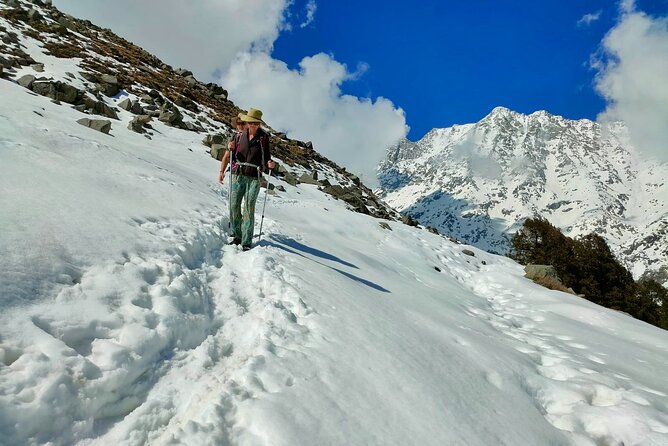
The best part of this trip is the sharp change in mood and scenery. You begin among Delhi temples and crowded streets, then ride an overnight train north to Dharamsala before walking for five days through Himalayan villages, forests, springs, and high camps. I like the donkey-supported trek, which lets you carry only a day bag, and the chance to sleep beside clear mountain water under the stars.
I also like the thoughtful finish: the Taj Mahal gives the trip a grand final scene after the quieter mountain days. The main caution is fitness. This is not a gentle sightseeing holiday, and the five-day trek includes steep, rocky sections, basic camping, and changing mountain conditions.
Key points to know before booking
- Five trekking days around Kareri and Triund: Expect donkey tracks, forest paths, village lanes, rocky climbs, and high mountain views.
- Manu and his family-run team: The trip is led and supported by Manu Adventures India, with guides, camp staff, cooks, donkeys, and trekking equipment.
- Overnight Indian train journeys: Your rail travel links Delhi, Pathankot, Dharamsala, and Agra in a way that adds local character to the route.
- Three very different India experiences: Delhi’s temples, Tibetan Dharamsala, and the Taj Mahal each show a different side of the country.
- Camping with surprisingly full meals: Tents, mattresses, fleece-lined sleeping bags, breakfasts, dinners, and some lunches are included.
- A demanding but rewarding pace: You need strong physical fitness, and the group can reach up to 35 people.
Why this itinerary works
Many India tours rush from monument to monument. This one gives you a stronger change of pace. Delhi supplies the noise, color, and religious architecture. Dharamsala adds Tibetan culture and Himalayan foothills. The trek then takes you away from roads and hotels for several nights, before the Taj Mahal brings you back to India’s most famous sight.
That contrast is the heart of the experience. You are not simply collecting photographs. You are moving through several parts of northern India by airport transfer, city vehicle, train, cable car, foot, and donkey-supported camp route.
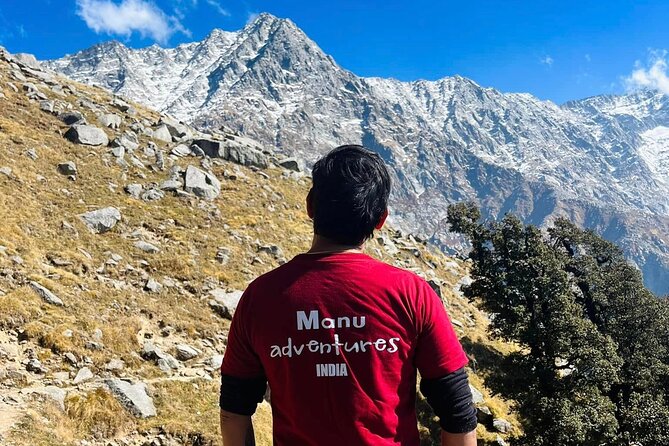
Manu is a central part of the trip. The information provided describes him as kind, humorous, helpful, and closely involved in the details. His team handles transport, accommodation, equipment, meals, and camp support. That matters on a route with this many moving parts.
The group size can reach 35 people. That makes the tour social and may help keep the price reasonable, but it also means you should not expect a private trek or a quiet guide-to-guide experience every hour of the day.
More treks reachable from New Delhi:
- Moderate Himalayan Treks Near Rishikesh From Delhi
★ 5.0 · 21 reviews
Day 1: Arriving in Delhi and finding Hanuman’s Monkey Temple
Your arrival begins at Indira Gandhi International Airport, where pickup is offered. You are taken to your hotel, with time to freshen up and explore nearby surroundings.
The Monkey Temple of Hanuman is close to the hotel area and gives you an early taste of Delhi’s religious life. It is a useful first stop because you can begin adjusting to the city without spending the whole day in a vehicle.
The official start time is 9:00 a.m., but your arrival arrangements should be checked carefully when booking. The first day is listed as about four hours, so this is more of an arrival and orientation day than a full city tour.
Day 2: India Gate and the silver-bright Akshardham Temple
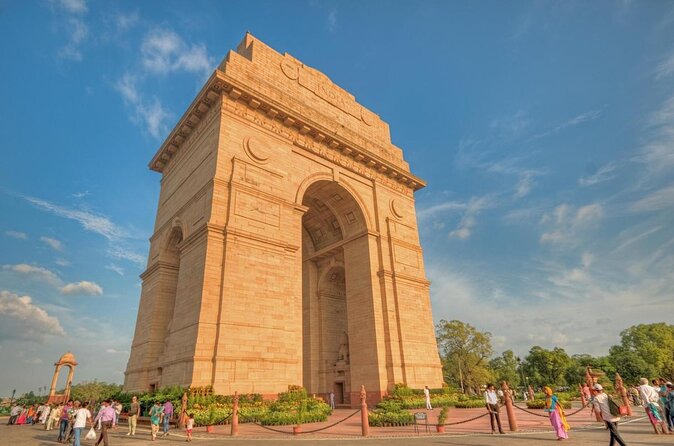
Delhi’s second day includes India Gate and Akshardham Temple. India Gate is one of the city’s best-known landmarks, while Akshardham offers a very different experience, with glittering religious decoration and a strong sense of ceremony.
Akshardham is described as being away from the main tourist path, though it is popular with local visitors. That combination makes it a valuable stop. You see a major religious site as well as the better-known civic side of Delhi.
Do not expect a slow, detailed museum day. The listed duration is about four hours, so the schedule is compact. Your transport and admission are included, which makes the day easy, but you will have limited free time for independent Delhi wandering.
Day 3: The overnight train to Pathankot and onward to Dharamsala
The overnight train is one of the most distinctive parts of the trip. Rail travel in India is not just a way to cover distance. It gives you a closer look at the country’s scale and daily rhythm than a private vehicle does.
On arrival at Pathankot, you are taken to an open-air restaurant for breakfast, then continue to Dharamsala. The transfer from the train to breakfast and onward travel is organized for you, which is helpful after a night on board.
The route then reaches Dharamsala, the mountain base for the next stage. After checking into your hotel, you have a chance to walk down into the village area. This is a good point to slow down, stretch your legs, and prepare for the trek.
The train may be exciting, but it is not the same as a hotel night. If you sleep lightly, plan for a tiring morning. The payoff is that you reach the Himalayan foothills without spending another long day inside a road vehicle.
Same starting point, a completely different day out:
- Old & New Delhi City Tour – Half or Full Day Options Available
★ 5.0 · 4,811 reviews - Same Day Taj Mahal, Agra Fort & Baby Taj Tour from Delhi by Car
★ 5.0 · 4,304 reviews - Taj Mahal Day Tour from Delhi by Superfast Train – TOP RATED TOUR
★ 5.0 · 4,166 reviews - Full Day Taj Mahal, Agra Fort & Baby Taj Tour from Delhi by Car
★ 5.0 · 3,647 reviews
Day 4: Kareri, donkeys, and the first camp
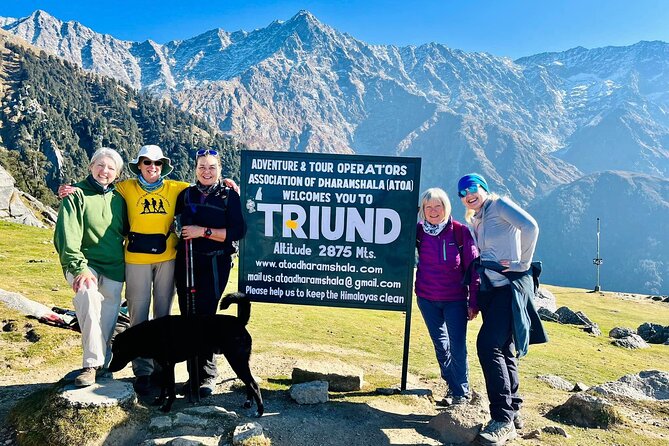
The trek begins at Kareri. You meet the wider support team and the donkeys that carry tents, food, equipment, and personal belongings from one camp to the next.
You walk with only your day bag. That is a major practical advantage. A mountain route feels much more manageable when you are not carrying the weight of your overnight kit, though you still need to pack water, layers, sun protection, and anything you want during the day.
The route follows donkey tracks and passes ramshackle villages. You may see children, women in saris, goats, and cows as daily life continues around the trail. This is the kind of contact that makes the walk feel connected to local communities rather than sealed inside a packaged outdoor activity.
The first day is listed at about five hours. That is long enough to feel like a real trek, but the exact difficulty will depend on the trail and your pace.
Day 5: Village paths and Naddi View Point
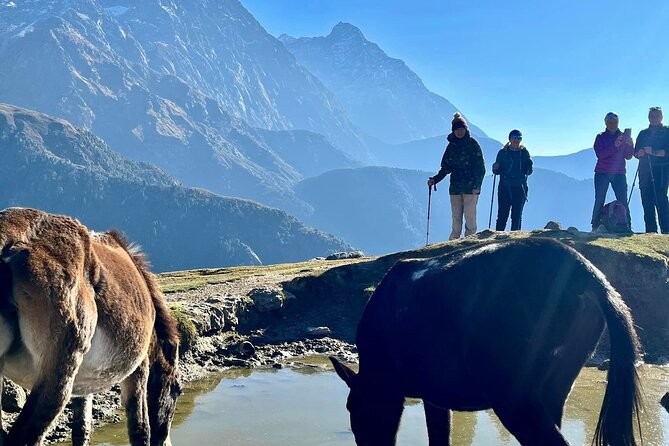
Breakfast is served at camp before the trail continues through rustic villages toward Naddi View Point. The route is described as gently undulating, so this day may feel less severe than the steeper sections to come.
I like this part of the plan because it gives you time to see how families live in the foothills. The village sections are not presented as staged cultural encounters. You pass homes, animals, and working communities while moving along the route.
The food is another strong feature. Camp cooking is repeatedly praised for its quality, and the trip includes breakfast and dinner each day, with five lunches included. You should still confirm exactly which lunches are covered on which days, since not every midday meal is included.
Naddi View Point adds a scenic pause, but the real value is the slower rhythm. You have time to watch the trail, talk with the team, and let your body adjust before the route reaches higher ground.
Day 6: Rhododendron forest and the Magic View tea shop
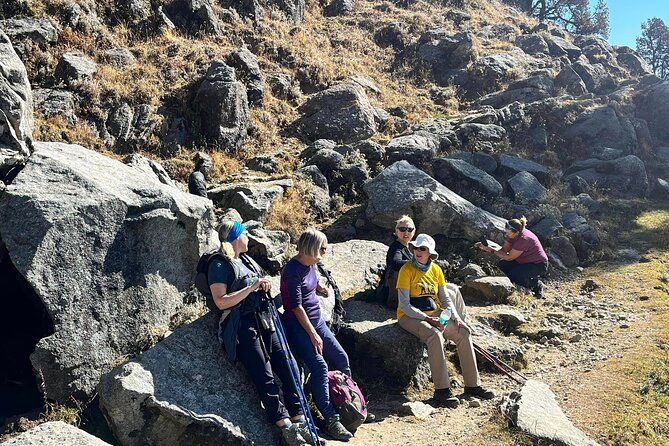
The next section crosses small bridges and passes through a forest of rhododendrons. You stop at the Magic View tea shop, where the name makes sense once the panorama opens.
This is a five-hour trekking day, and the trail continues to gain height. Forest shade and a tea stop break up the effort. You will appreciate both if the sun is strong or your legs are beginning to feel the previous days.
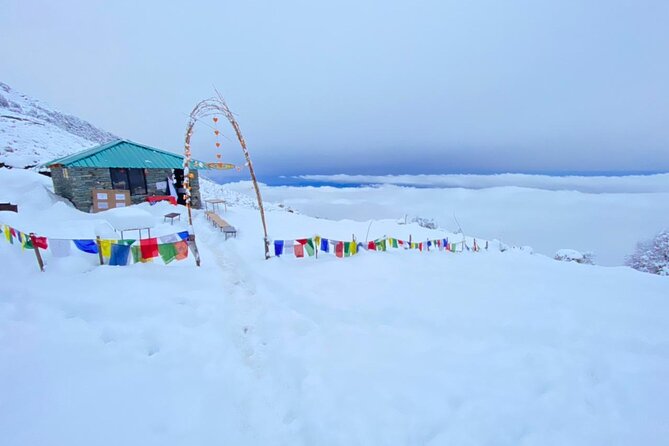
The camps are one of the trip’s practical strengths. The equipment provided by Manu Adventures India has been described as including warm, dry tents, thick mattresses, and fleece-lined sleeping bags. Those details matter more than fancy camp decoration. A warm sleeping bag and a decent mattress can change your entire view of a cold night outdoors.
Still, camping is camping. You should be comfortable with shared outdoor facilities and a routine that depends on weather, trail conditions, and the camp team’s work.
Day 7: Triund Hill and the big Himalayan views
Triund is the dramatic high point of the walk. The trail becomes steep and rocky in places, and this is where strong fitness matters most.
Your reward is the first major view of the huge Himalayan peaks. The description of the route emphasizes the quiet and scale of the mountains. After several days of villages and forest, the open high-country setting can feel almost startling.
This is also the day when you should avoid racing. Go at your own steady pace, take the breaks offered, and keep enough energy for the return to camp. The tour is designed to support you with guides, donkeys, food, tents, and equipment, but no support system removes the need for basic endurance.
At Triund, the scenery is the point. You are not visiting a monument with a short queue and a paved path. You are earning the view with several days of walking.
Day 8: Descending to McLeod Ganj and Tibetan dinner
After breakfast with a mountain view, you begin the descent. You set your own pace and return toward Dharamsala, where a shower and proper rest await.
Descending is often easier on the lungs but harder on tired knees, especially on rocky ground. Good shoes are important, and you should not assume the downhill day will feel effortless.
The evening meal is Tibetan-style. This is a fitting end to the mountain section, since McLeod Ganj is closely associated with Tibetan culture and the exiled home of the Dalai Lama. The next day includes more local sights before the journey turns south again.
Day 9: Cable car, tea plantation, cricket stadium, and the return train
The brand-new cable car takes you from McLeod Ganj to Dharamshala. After several days on foot, this is an enjoyable change of viewpoint and an efficient way to connect the two areas.
You then visit a tea plantation and the famous cricket stadium. These stops widen the trip beyond temples and trekking. Tea production reflects the area’s working life, while the stadium connects the region with one of India’s great sporting passions.
In the evening, you transfer to Pathankot railway station for the train journey onward. The schedule packs a lot into one day, so you may feel tired by nightfall. That is the trade-off for fitting mountain culture, tea, sport, and rail travel into an 11-day route.
Day 10: The Taj Mahal as the grand finale
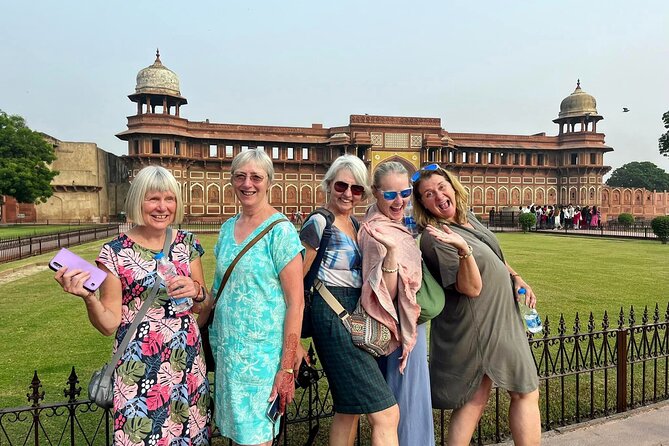
The Taj Mahal arrives near the end rather than the beginning. That is smart planning. You first spend time in less familiar parts of India, then finish at the monument that many people picture before they ever arrive.
The Taj is a major highlight, but this timing gives it extra weight. After the physical effort and quiet of the Himalayas, its white marble, formal design, and well-known story provide a very different kind of wonder.
A celebration meal at a nearby rooftop restaurant is included in the plan. The accommodation in Agra has also been described as offering rooftop views of the Taj Mahal, which can make the evening feel special without requiring another major excursion.
Admission to the Taj Mahal is included. You should allow for crowds and a busy sightseeing environment, especially after the more peaceful mountain days.
Day 11: A final afternoon in New Delhi
After the transfer from Agra, you spend your last afternoon in Delhi. Connaught Place is suggested for shopping, and the city also offers preserved buildings for a final look at its older architectural character.
This last day is intentionally flexible. You can use it for gifts, a final meal, or one more walk before departure. The schedule is listed at about four hours, so do not plan a demanding independent excursion far across the city.
The tour includes an airport pickup at the start, but departure arrangements and any departure tax are not included. Tips are also separate, so budget for those extras.
What the $1,463.90 price really covers
At $1,463.90 per person, this is not a budget city break, but the price covers a lot of moving parts. Included are train tickets, an air-conditioned vehicle, 11 dinners, 10 breakfasts, five lunches, camp equipment, guides, donkey support, and major admissions listed in the schedule.
The value is strongest if you want one organized package. You are paying for the complicated connections between Delhi, Pathankot, Dharamsala, the trekking camps, Agra, and Delhi. You are also paying for a support team that handles food and gear during the most demanding section.
The value is weaker if you want full freedom or only care about the Taj Mahal. You could arrange an ordinary Delhi and Agra trip for less, but you would not be getting the five-day Himalayan trek, camping staff, donkeys, or the same level of coordination.
Some meals are not included, and tips and departure tax are extra. Ask for a clear meal schedule before paying so you know when to budget for your own lunch or drinks.
Who should book this Himalayan trip
I would choose this for an active person who wants several sides of India in one trip and likes the idea of a guided camp trek. It suits you if you enjoy local rail travel, can handle basic camping, and want support without giving up the feeling of being outdoors.
It is also a good fit if you prefer a trip with a clear structure. Manu and his team organize the transport, hotels, train travel, meals, camps, and guides, so you do not have to solve each connection yourself.
I would hesitate if you dislike overnight trains, steep trails, rocky descents, or group travel. A maximum of 35 people can make the trip less personal, and the schedule leaves limited time for spontaneous exploration in Delhi and Dharamsala.
The activity is non-refundable and cannot be changed after booking. That makes it especially important to confirm your dates, fitness level, meal expectations, and trekking comfort before you commit.
FAQ
Where does the Dalai Lama Himalayan Trek start?
The experience starts at Indira Gandhi International Airport in New Delhi, India. Pickup is offered, and the stated start time is 9:00 a.m.
How long does the tour last?
The tour lasts approximately 11 days.
How many days are spent trekking?
The main Himalayan trekking section lasts five days, from Day 4 through Day 8.
Do I need to be very fit?
Yes. The information states that you should have a strong physical fitness level. The trek includes steep and rocky sections, particularly around Triund Hill.
Are train tickets included?
Yes. Train tickets are included in the tour price, including the overnight rail journeys used during the route.
Are meals included?
Yes. The package includes 11 dinners, 10 breakfasts, and five lunches. Tips, departure tax, and any meals not listed are not included.
Is camping equipment provided?
Yes. The trekking support includes tents, mattresses, fleece-lined sleeping bags, and camp equipment. Donkeys carry the main camp supplies between sites.
What is the maximum group size?
The activity can include a maximum of 35 people.
Can I cancel and receive a refund?
No. The experience is non-refundable and cannot be changed for any reason. If you cancel or request an amendment, the amount paid will not be refunded.
Should you book it?
Book this trip if the Himalayan trek is the main reason you are coming and Delhi, Dharamsala, rail travel, and the Taj Mahal are welcome additions. The strongest parts are the supported camping, excellent reported food, helpful team led by Manu, and the unusual mix of mountain villages, Tibetan culture, Indian trains, and major monuments.
Skip it if you want a relaxed holiday with private touring and flexible dates. For the right person, though, this is a bold and varied route that gives you far more than a standard Delhi and Agra visit.
Newly reviewed around New Delhi
- Private Customized Tour Of Old/New Delhi Spiritual Sites★ 5.0 · 5 reviews
- Yoga and Meditation Classes in Gurgaon★ 4.5 · 8 reviews
- Yoga class in Delhi★ 5.0 · 29 reviews
- Old Town Delhi Walking Tour (2 Hours Guided Tour with Local)★ 4.5 · 22 reviews
- 5 Days Golden Triangle Tour with Ranthambore(Delhi Agra Jaipur Ranthambore Tour)★ 5.0 · 3 reviews
- Wonderful Old & New Delhi sightseeing tour★ 5.0 · 3 reviews
- Hidden Gems of Old Delhi – Walk★ 5.0 · 8 reviews
- Delhi Zoo White Tigers & lions with Old Fort Visit★ 4.5 · 5 reviews