
Reviewed · TEMPLE & SPIRITUAL TOURS FROM DELHI
7-Days Private Golden Triangle with Pushkar Yoga Spiritual Tour
The most appealing part of this tour is the way it combines India’s famous Golden Triangle with a quieter stay in Pushkar. You get Delhi’s grand monuments, Agra’s Taj Mahal, Jaipur’s royal buildings, and a final yoga session beside one of India’s most important pilgrimage towns.
I like the private car and one-driver setup, which keeps the long road journeys simple. I also like the mix of guides in each city, since a Delhi specialist, Agra guide, and Jaipur guide can bring local detail to each stop. The main consideration is pace: seven days cover a lot of ground, and several sightseeing days are full.
Key details to know before booking

- Taj Mahal at sunrise: You visit the monument early, then return later in the itinerary for a sunset viewpoint across the Yamuna River.
- One private vehicle for the full route: A four-seat sedan serves one or two people, while larger groups use a wagon or minivan.
- Different local guides in each city: The driver remains with you, while sightseeing is handled by city guides.
- Pushkar adds a spiritual change of pace: Brahma Temple, Pushkar Lake, and a yoga class follow several busy monument days.
- Six nights of hotels may be included: Check the selected booking option, since accommodation is listed as included only with the hotel option.
- Entrance tickets are extra: Monument admission is not included, so budget separately for Qutub Minar, Humayun’s Tomb, the Taj Mahal, Agra Fort, and Jaipur sights.
Why this seven-day route works
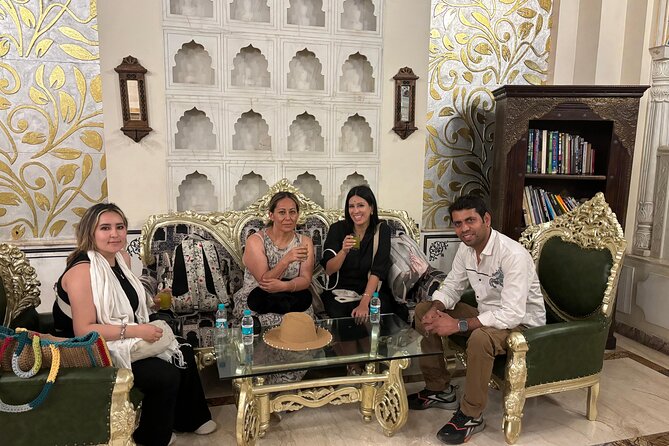
The classic Golden Triangle links Delhi, Agra, and Jaipur. This version adds Pushkar, a holy town in Rajasthan known for Pushkar Lake and the Brahma Temple, one of the few temples dedicated to Brahma.
I like the route because it gives you more than a checklist of famous buildings. Delhi supplies several layers of Indian history and daily life. Agra focuses on Mughal architecture and the Taj Mahal. Jaipur shifts to Rajput palaces and astronomy. Pushkar then gives you time for prayer, reflection, and yoga.
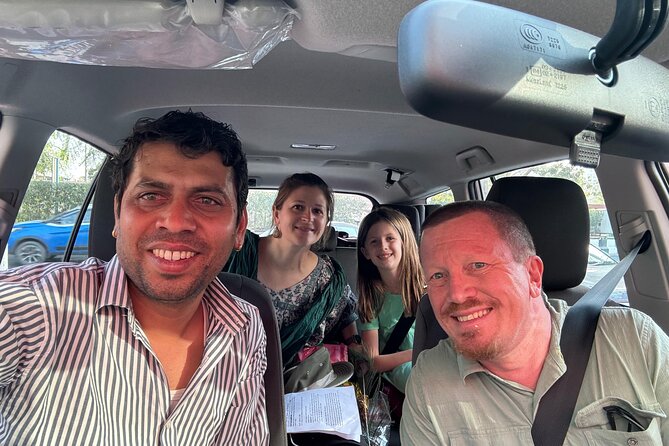
You travel in a private, air-conditioned vehicle with a driver, rather than joining a large coach. That matters on roads where comfort, timing, and the ability to stop can make a long transfer easier. Previous arrangements have included drivers such as Surendra and Man Singh, with Gopal handling quick communication through WhatsApp. Chatan has also been praised as a courteous and helpful driver.
The tour is listed at $324 per person, though the exact value depends on the selected hotel option, group size, and what entrance fees are due. At that price, the package can be attractive if it includes the six hotel nights, breakfast, private transport, airport transfers, local guides, water, and yoga. It is less of a bargain if you choose an option without hotels or if you add many paid monuments. Check the booking details carefully before paying.
More Rajasthan circuits from New Delhi:
- 8-Day Golden Triangle & Rajasthan Private Tour from Delhi
★ 5.0 · 134 reviews - 12-Days – Splendors of Golden Triangle & Rajasthan
★ 5.0 · 72 reviews - 14 Days Golden Triangle with Wildlife Safari & Heritage Rajasthan
★ 5.0 · 37 reviews
Day 1: A gentle introduction at Gurudwara Bangla Sahib
The first day is deliberately light. You visit Gurudwara Bangla Sahib, a major Sikh place of worship in New Delhi, for about 30 minutes.
The site is connected with the eighth Sikh Guru, who is said to have helped people suffering during smallpox and cholera outbreaks by distributing water from the tank. That story gives the visit a human focus, but the real value is seeing how a place of worship serves both faith and community.
Since admission is free and the stop is short, this works well after an international flight. Your airport pickup begins the private arrangement, and you avoid having to find your own way into Delhi on arrival. If your flight lands late, confirm the exact first-day schedule with the operator rather than assuming every stop will run at the listed time.
Day 2: Delhi from Qutub Minar to Chandni Chowk
Day 2 is the fullest sightseeing day. You begin with Qutub Minar, the 73-meter tower built in the early Delhi Sultanate period. The five-storey minaret is a major UNESCO World Heritage site and gives you a strong introduction to Delhi’s pre-Mughal past.
Admission is extra, and the visit is planned for about an hour. I would pay close attention to the guide here, since the tower is more rewarding when you understand the changes in power and building styles around it.
Next comes the Lotus Temple, a modern building shaped like a white lotus. It opened in 1986 and welcomes people of all religions. You have about 30 minutes, and admission is free. The stop is brief, so think of it as an architectural pause rather than a long religious visit.
India Gate and Parliament House follow. India Gate honors soldiers of British India who died in wartime, while Parliament House represents the two houses of India’s national legislature. These are primarily exterior viewing stops in the schedule, useful for seeing the ceremonial side of New Delhi without spending hours inside museums.
Jama Masjid brings you back to Old Delhi. Built by Shah Jahan between 1650 and 1656, it is one of India’s largest mosques. The listed visit lasts about 30 minutes, and admission is free. Dress and behavior should respect the religious setting, and you should follow your guide’s instructions about entry.
Agrasen Ki Baoli is a much shorter stop, only about 15 minutes. This protected stepwell is a striking example of practical architecture built around water storage. It is easy to overlook in a fast city tour, so I like that it has been included, even though the visit is quick.
Humayun’s Tomb gets a full hour and is one of the day’s strongest historical stops. Commissioned in 1558 by Empress Bega Begum for the Mughal emperor Humayun, the tomb is important for both its design and its place in the development of Mughal architecture. Admission is extra.
The day ends in Chandni Chowk, where you spend about an hour among narrow lanes and market stalls selling spices, dried fruit, silver jewelry, colorful saris, and essential oils. This is where Delhi feels least like a collection of monuments and most like a living city. It can also feel crowded and intense, so keep valuables secure and wear comfortable shoes.
Seven Delhi stops make for a demanding day. I would not plan an evening show or an important dinner reservation afterward. The advantage is range, but the cost is limited time at each place.
Day 3: Agra Fort and the Taj Mahal from across the river
After breakfast, you drive about 222 kilometers from Delhi to Agra. The journey is listed at roughly four hours, although road conditions can affect the actual timing.
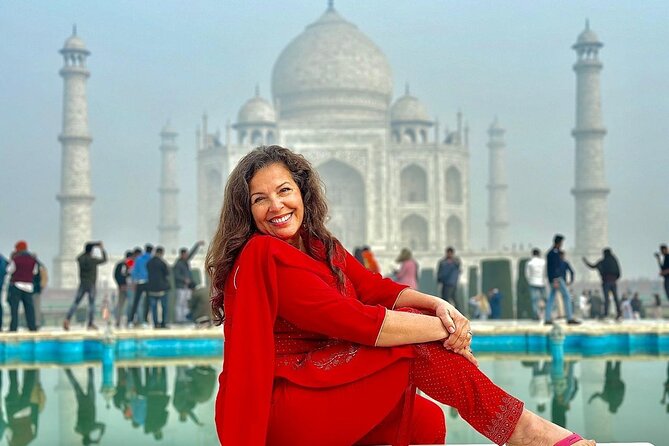
After checking into your hotel, the first Taj Mahal experience comes from a sunset viewpoint across the Yamuna River. This is a smart choice because you see the monument away from the main entrance crowds, with changing light across the water. It is not a substitute for entering the Taj Mahal, but it gives you a different view and a calmer first encounter.
Agra Fort follows, with about an hour inside. This UNESCO-listed complex connects directly to the Mughal emperors Akbar, Shah Jahan, and Aurangzeb. The fort is not simply a defensive wall. Its courtyards, halls, and red sandstone buildings help explain the political world behind the Taj Mahal.
Admission is extra, as it is for the Taj Mahal and Itmad-ud-Daula. A private guide is useful in Agra because the monuments contain many details that are easy to miss when you move quickly.
The final stop is Itmad-ud-Daula, often called the Baby Taj. This smaller Mughal mausoleum is known for its fine inlay work and delicate appearance. It provides a useful contrast with the Taj Mahal: less grand, more intimate, and easier to appreciate at close range.
More temple and spiritual trips from New Delhi:
- Old Delhi Food-Spice Market-Temples Tour Soon Featured on NETFLIX
★ 5.0 · 304 reviews - Private Delhi Temples and Spiritual Sites 6 Hours Tour
★ 5.0 · 171 reviews - Half-Day Delhi Temple Tour with Pick-Up & Drop-Off
★ 5.0 · 60 reviews - Old Delhi Cultural, Temples, Heritage Walking Street Food Tour
★ 5.0 · 57 reviews
Day 4: Taj Mahal sunrise, Fatehpur Sikri, and the road to Jaipur
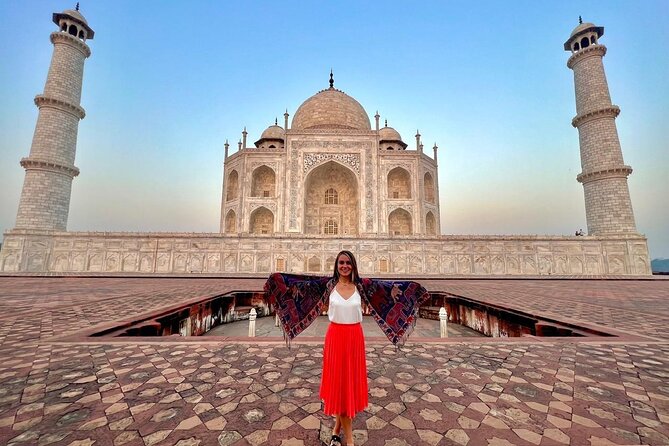
You return to the Taj Mahal at sunrise and spend about two hours there. This is the emotional center of the trip, and the early start is worth taking seriously. Morning light gives the marble a softer appearance, while the cooler hours are more comfortable for walking.
The Taj Mahal was commissioned by Shah Jahan in 1632 as a mausoleum for his wife, Mumtaz Mahal. I would follow the guide’s explanation but also leave a little time simply to look. The monument is famous for good reason, yet the experience can become rushed if you treat every moment as a photo stop.
After Agra, the road leads toward Jaipur with stops at Fatehpur Sikri and Chand Baori. Fatehpur Sikri was built by Emperor Akbar in the late 16th century and served as the Mughal capital for about a decade. Its grand courtyards and buildings show Akbar’s ambitions, while the abandoned capital raises practical questions about why the court moved away.
Chand Baori, in Abhaneri, is one of India’s deepest and largest stepwells. You spend about 30 minutes there, and admission is extra. Its geometric stairways are excellent for photographs, but be careful near the edges and follow site rules.
The drive continues to Jaipur, with the schedule allowing about five hours for arrival, check-in, and settling into the hotel. This is another long day. The sunrise visit, two historic sites, and road time make it sensible to keep the evening free.
Day 5: Jaipur’s palaces and precise astronomy
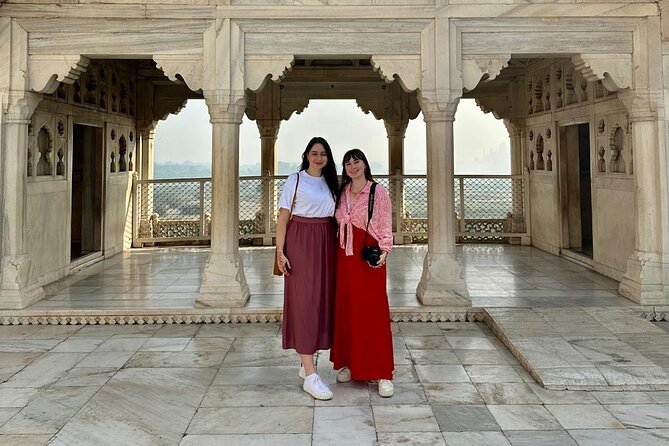
Jaipur begins with Panna Meena ka Kund, a stepwell near Amber Palace. The stop lasts about 15 minutes, so you will mainly see the structure and take photographs rather than explore at length.
Jal Mahal comes next for another short stop. The palace appears to float in Man Sagar Lake, and the planned visit is mainly for photographs from the shore. It is a pretty pause, but do not expect a long interior visit.
The City Palace receives an hour. Built as the administrative and ceremonial seat of Jaipur’s maharaja in 1721, it gives you a close look at the city’s royal past. Admission is not included, and the amount you see may depend on which areas are open and covered by your ticket.
Jantar Mantar is one of Jaipur’s most unusual sights. This UNESCO World Heritage site contains 19 large astronomical instruments built in 1734 by Sawai Jai Singh II. The instruments can look abstract at first, so this is another place where a good guide makes a clear difference. Allow an hour and ask how the structures measured time and tracked celestial movements.
Hawa Mahal, the Palace of Winds, finishes the main sightseeing. Its pink and red sandstone facade is famous for its many small windows and five-storey shape. The exterior view is essential, but the listed hour gives you time to see more than a quick roadside photograph. Admission is extra.
Jaipur’s schedule is more manageable than Delhi’s, but it still includes five stops. I like the balance between royal buildings, engineering, and photography. The limitation is that Panna Meena ka Kund and Jal Mahal are short visits, so people who prefer slow museum time may want to discuss adjustments with the operator.
Day 6: Pushkar, Brahma Temple, and a quieter rhythm
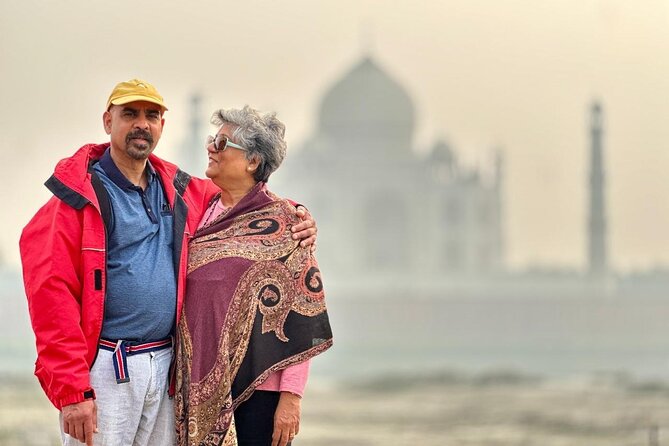
After breakfast, you drive about 142 kilometers from Jaipur to Pushkar, listed as roughly three hours. Pushkar changes the tone of the trip. After several days of forts, palaces, and busy city streets, you spend time in a pilgrimage town centered on sacred water and worship.
The Pushkar portion allows about four hours, including hotel check-in and local sightseeing. At Brahma Temple, you learn why this is one of the few temples in the world dedicated to Brahma. The temple’s architecture and mythology give the stop its appeal, but it is also an active religious place, not simply a monument.
At Pushkar Lake, you visit Brahma Ghat. Families come here for prayers and ceremonies connected with loved ones who have died. Photography may be possible, but you should be respectful, ask before photographing people, and follow local instructions around rituals.
The free admission listed for both stops does not mean there are no cultural rules. Dress modestly, listen to your guide, and avoid treating ceremonies as performances. This is one of the tour’s most meaningful features when approached with care.
Day 7: Yoga before the return to Delhi
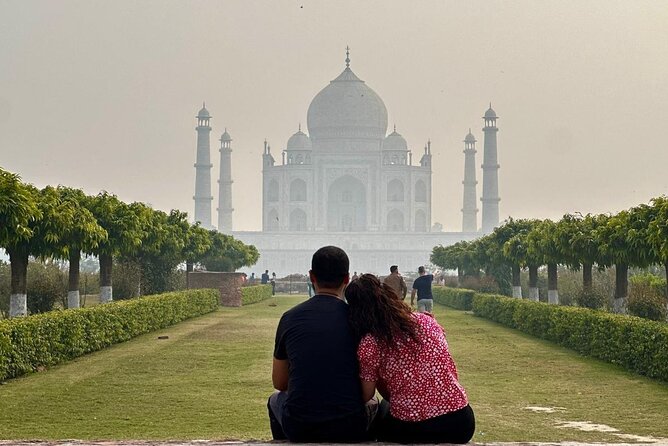
The final morning begins with a yoga class in Pushkar, followed by the approximately five-hour drive back to New Delhi. Yoga is included, but the schedule does not give a class length or describe the level of instruction, so ask for the timing if the session matters greatly to you.
I like placing yoga at the end rather than squeezing it between major monuments. It gives the trip a calmer finish and makes Pushkar more than an overnight transport stop. Still, the final road journey is long, and your arrival time in Delhi will depend on traffic.
Airport pickup and drop-off are included in the package information. Confirm whether your departure flight matches the expected drive time, since a five-hour road transfer should not be paired too closely with an international departure.
Private transport, hotels, guides, and real costs
The private setup is the tour’s strongest practical feature. One or two people travel in a four-seat sedan. Groups of three or four use a six-seat wagon, and groups of five to ten use a 10-seat minivan. The vehicle includes air conditioning, and bottled mineral water is supplied during journeys.
The driver remains with you for the route, while local guides handle sightseeing in each city. This arrangement gives you continuity on the road and local help at the monuments. Names connected with past arrangements include Surendra, Man Singh, and Chatan as drivers, with Gopal serving as a responsive contact for planning and WhatsApp messages. Ask who will be assigned to your booking rather than assuming a particular person.
Six nights of accommodation with daily breakfast are included only if you choose the option that includes hotels. Rooms are generally twin-sharing. A booking of three people normally receives one triple-share room; two rooms cost extra.
Monument tickets are not included. You should budget for Qutub Minar, Humayun’s Tomb, the Taj Mahal, Agra Fort, Itmad-ud-Daula, City Palace, Jantar Mantar, Hawa Mahal, and possibly Chand Baori. Tips, laundry, personal expenses, insurance, and flights or train tickets are also separate.
You can cancel for a full refund up to 24 hours before the start time. Inside that window, the amount paid is not refunded, and changes are not accepted.
Who should book this tour?
I would choose this tour if you want the famous North Indian sights without arranging hotels, drivers, transfers, and city guides separately. It suits first-time visitors, couples, families, and small groups who value a private vehicle and want to move at their own general pace.
It is also a good match if Pushkar and yoga genuinely interest you. If your only goal is the Taj Mahal, a shorter Agra trip would be more efficient. If you prefer long stays in museums or unplanned wandering, this route may feel too structured.
The tour earns its price through coordination more than luxury. You get a private car, airport transfers, local guides, breakfast, water, and a planned route, but you still pay separately for many major sights. Before booking, confirm the hotel category, vehicle type, exact guide arrangements, entrance-ticket budget, and the timing of your return to Delhi.
FAQ
Where does the tour begin?
The tour begins with pickup at Indira Gandhi International Airport in New Delhi.
How long does the tour last?
The experience lasts approximately seven days and includes six nights of accommodation when the hotel-inclusive option is selected.
Which cities are included?
The route includes New Delhi, Agra, Jaipur, and Pushkar.
Is this a private tour?
Yes. Only your own group participates in the activity.
What type of vehicle is used?
One or two people use a four-seat sedan, three or four people use a six-seat wagon, and groups of five to ten use a 10-seat minivan. The vehicle is air-conditioned.
Are monument entrance tickets included?
No. Monument admission tickets are not included in the tour price.
Is the Taj Mahal visited more than once?
Yes. You visit a sunset viewpoint across the river on Day 3 and enter the Taj Mahal for a sunrise visit on Day 4.
Is accommodation included?
Six nights of accommodation with daily breakfast are included if you select the option that includes hotels. Rooms are generally arranged on a twin-sharing basis.
Is yoga included?
Yes. A yoga class in Pushkar is included on the final morning before the drive back to Delhi.
Should you book it?
Book this tour if you want a well-managed first visit to North India, prefer private transport, and like the idea of ending major sightseeing with Pushkar and yoga. Skip it if you need a slow schedule, want every entrance fee included, or would rather spend more nights in fewer cities. For most first-time visitors who want the main sights with less transport planning, the combination is practical and appealing, provided you confirm the hotel option and allow extra money for admissions.
More Golden Triangle Tours from New Delhi
- 3-Days Private Golden Triangle Tour: Delhi, Agra & Jaipur by Car
★ 5.0 · 1,107 reviews - 3-Days Private Golden Triangle Tour: Delhi, Agra & Jaipur by Car
★ 5.0 · 1,098 reviews - 3-Day Delhi, Agra and Jaipur Private Tour – India Golden Triangle
★ 5.0 · 812 reviews - Four-Day Private Luxury Golden Triangle Tour to Agra and Jaipur From New Delhi
★ 5.0 · 807 reviews
Newly reviewed around New Delhi
- Private Customized Tour Of Old/New Delhi Spiritual Sites★ 5.0 · 5 reviews
- Yoga and Meditation Classes in Gurgaon★ 4.5 · 8 reviews
- Yoga class in Delhi★ 5.0 · 29 reviews
- Old Town Delhi Walking Tour (2 Hours Guided Tour with Local)★ 4.5 · 22 reviews
- 5 Days Golden Triangle Tour with Ranthambore(Delhi Agra Jaipur Ranthambore Tour)★ 5.0 · 3 reviews
- Wonderful Old & New Delhi sightseeing tour★ 5.0 · 3 reviews
- Hidden Gems of Old Delhi – Walk★ 5.0 · 8 reviews
- Delhi Zoo White Tigers & lions with Old Fort Visit★ 4.5 · 5 reviews
Temple & Spiritual Tours from Delhi, compared.

Old Delhi Food-Spice Market-Temples Tour Soon Featured on NETFLIX
Read our review →
Private Delhi Temples and Spiritual Sites 6 Hours Tour
Read our review →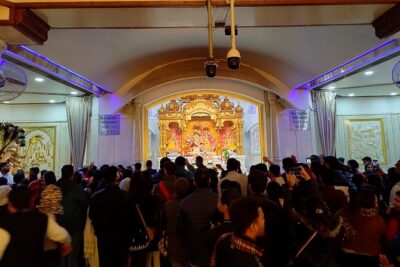
Half-Day Delhi Temple Tour with Pick-Up & Drop-Off
Read our review →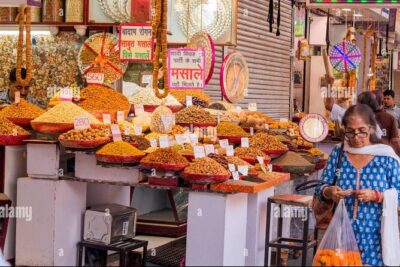
Old Delhi Cultural, Temples, Heritage Walking Street Food Tour
Read our review →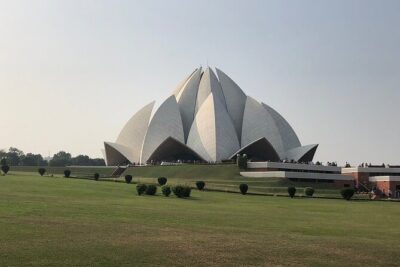
Private Spiritual Tour: Akshardham Temple, Lotus Temple & ISKCON in South Delhi
Read our review →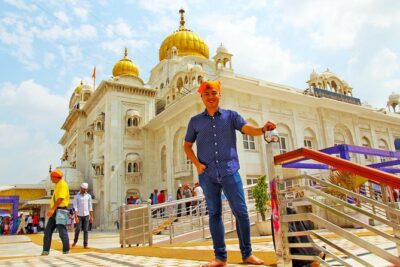
All-Inclusive Sacred Delhi: Private Full-Day Temples Experience
Read our review →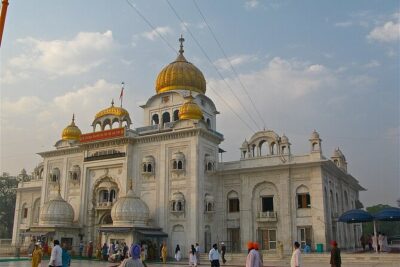
Old Delhi Temples, Cultural, Heritage Walking Street Food Tour
Read our review →
8-Day Private Luxury Golden Triangle With Spiritual Varanasi Tour
Read our review →Browse the lists this tour appears in