
Reviewed · NEW DELHI
Essence of magnificent India and Nepal
The remarkable thing here is the sheer range: 17 days from Delhi to Kathmandu takes you from Mughal tombs and Hindu temples to Buddhist pilgrimage sites and Himalayan viewpoints. You’ll ride a rickshaw through Old Delhi, watch sunrise at the Taj Mahal, float past Varanasi’s ghats, and finish among Kathmandu Valley’s great shrines.
I like the private air-conditioned vehicle, which gives you more control than a large coach, and the useful mix of guided visits and free time. The price is also attractive for a private trip, though you must add about $200 for monument tickets, $30 for the Nepal visa, and all lunches and dinners. The main caution is coordination: with so many border crossings, hotel changes, guides, and transfers, you should confirm each day’s plan with the operator.
Key points before you book
- Delhi opens the trip with real local color: Old Delhi’s rickshaw lanes, Jama Masjid, Red Fort, Raj Ghat, and the Sikh kitchen at Gurudwara Bangla Sahib.
- The famous sights are packed in: Amber Fort, the Taj Mahal, Fatehpur Sikri, Khajuraho, Varanasi, and Kathmandu Valley all appear in one long route.
- Your private vehicle matters: An air-conditioned car and personal English-speaking driver handle the long overland stretches.
- The Varanasi portion is especially strong: You get both an evening Ganga Aarti and a morning boat ride along the ghats.
- Nepal adds a different rhythm: Lumbini, Pokhara, Sarangkot sunrise, and Kathmandu’s Buddhist and Hindu centers give the second half its own character.
- Budget beyond the headline price: Breakfast, bottled water, hotels, guides, transport, and the Kathmandu to Delhi flight are included, but most entry tickets, Nepal visa fees, and other meals are not.
What the $580 price really covers
At $580 per person, this is an unusually low price for a 17-day private journey, but the headline figure is only part of your actual budget. You receive 16 nights in three-star hotels with air conditioning and private bathrooms, 17 breakfasts, bottled water, road transport, local guides in several major destinations, and a one-way flight from Kathmandu to Delhi.
You should set aside roughly $200 per person for monument admissions. Add the $30 Nepal visa fee, paid with one passport photograph, plus lunch, dinner, snacks, and any personal expenses. The optional Himalaya flight is not included.
That still can be good value if you want a broad first look at northern India and Nepal without arranging every hotel and transfer yourself. It is less appealing if you prefer luxury rooms, slow mornings, or a trip where every admission and meal is prepaid.
The tour is private, but that does not mean every hour is guided. Your driver handles the road travel, while local guides are listed for Delhi, Agra, Jaipur, Orchha, Khajuraho, Varanasi, and Kathmandu. In some places, you will have more independent time. Keep your phone available and confirm meeting times, especially after long drives or border formalities.
Other New Delhi trips people book alongside this one:
- Old & New Delhi City Tour – Half or Full Day Options Available
★ 5.0 · 4,811 reviews - Same Day Taj Mahal, Agra Fort & Baby Taj Tour from Delhi by Car
★ 5.0 · 4,304 reviews - Taj Mahal Day Tour from Delhi by Superfast Train – TOP RATED TOUR
★ 5.0 · 4,166 reviews
Delhi begins with temples, rickshaws, and two very different cities
Your first day starts with pickup in Delhi, either at Indira Gandhi International Airport or another central location. The opening stop is Swaminarayan Akshardham, a modern Hindu temple complex. It gives you an immediate look at contemporary religious architecture before the tour moves into older Delhi.
The Old Delhi section is the most atmospheric part of the day. A rickshaw carries you through crowded market streets toward Jama Masjid, one of the city’s best-known mosques. The ride is short, lively, and practical: you see how tightly packed the old quarter is without trying to force a large vehicle through it.
You then stop at the Red Fort for photographs, with sightseeing possible if time and tickets allow. At Raj Ghat, the memorial to Mahatma Gandhi offers a quieter pause. The day finishes at Gurudwara Bangla Sahib, an important Sikh temple with a community kitchen that prepares food for thousands of people each day.
The second Delhi day shifts to New Delhi’s broad roads and formal buildings. India Gate, the Parliament area, and the diplomatic district show the capital’s modern face. The Lotus Temple follows, with its distinctive flower shape and open message to people of different faiths.
Humayun’s Tomb and Qutub Minar are the heavy historical stops. Both require paid admission, and both deserve time. Humayun’s Tomb is a major Mughal monument and a UNESCO site. Qutub Minar is India’s tallest brick minaret, set within a complex of mosques and earlier structures.
End at Lodhi Garden, where historic tombs share space with Delhi’s everyday life. I like this final stop because it is not only another monument. It gives you a chance to slow down and see residents using a city park.
Dress conservatively at religious sites. Arms and legs should be covered at temples and mosques, and you may need to remove footwear in some places.
Jaipur brings forts, palaces, and a crowded schedule
On the way to Jaipur, you stop at the so-called Monkey Temple, a temple complex known for its resident monkeys. The stop adds a religious setting outside the main city route, but the description does not specify the exact admission arrangement, so ask your driver before the visit.
Jaipur then gives you one of the trip’s strongest clusters of major sights. Amber Fort sits among the hills outside the city and is the day’s centerpiece. Its courtyards, walls, and palace spaces reward a proper guided visit, though the climb and heat can make the pace tiring.
You stop at Jal Mahal for photographs. The Water Palace is viewed from outside, so do not expect a long interior visit. Hawa Mahal, the Palace of Winds, is another quick photograph stop with the possibility of entering. Its many small windows were designed to let royal women observe street life without being seen.
The City Palace brings together royal rooms, museum displays, and ceremonial objects. Royal Gaitor, with its family tombs in a quieter setting among the hills, is a calmer final stop.
Jaipur is also where the tour’s pace becomes clear. Several admissions are extra, and you may be moving from fort to palace to photo stop in one day. I would keep water with you, use the included bottled water, and avoid treating every stop as a rushed checklist.
Agra and the Taj Mahal deliver the tour’s signature morning
Fatehpur Sikri appears on the drive to Agra. This abandoned imperial city is a large palace and mosque complex, and it works well as a stop because it breaks up the road journey. Paid admission is extra.
In Agra, a professional guide takes you through Agra Fort. The fort is more than a quick photo opportunity. Its walls, courtyards, and palace buildings help explain the power behind the Mughal court and make the Taj Mahal feel less isolated from its wider setting.
The next morning begins at the Taj Mahal for sunrise. This is one of the smartest choices in the schedule. Early light is gentler, the visit starts before the day becomes oppressive, and you return to the hotel afterward for breakfast.
The Taj Mahal entry ticket is not included, so budget for it separately. Also keep in mind that the sunrise visit means an early start, followed by a drive to Orchha. You gain a famous sight at the best time of day, but you spend much of the day on the move.
Same starting point, a completely different day out:
- Full Day Taj Mahal, Agra Fort & Baby Taj Tour from Delhi by Car
★ 5.0 · 3,647 reviews - From Delhi: Taj Mahal & Agra Private Day Trip with Transfers
★ 4.9 · 3,181 reviews - Taj Mahal Tour from Delhi by Express Train (Viator Award Winner)
★ 5.0 · 2,849 reviews - All Inclusive Private Taj Mahal Luxury Tour from Delhi by Car
★ 5.0 · 2,564 reviews
Orchha and Khajuraho slow the pace with temples and carved stone
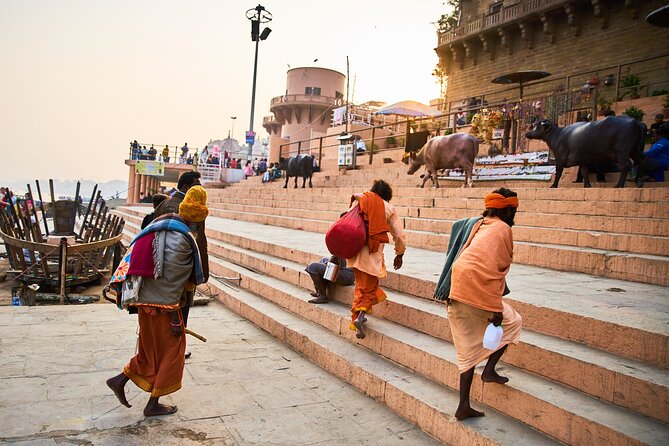
Orchha is a useful change after Agra. This small Hindu town is known for medieval palaces and temples, and its quieter scale gives you a break from Delhi, Jaipur, and Agra.
The first Orchha visit includes the fort area and local sightseeing. On the following day, you visit the Rama temple and a palace with views over the town, then have some leisure time. That extra time matters. Orchha is one of the few places where you are not pushed immediately toward the next major city.
Khajuraho follows with a five-hour visit to the western and eastern temple groups, both UNESCO sites. The carved exterior panels are the reason most people come, but the value of a guide is clear here. Without context, the carvings can seem like a collection of disconnected images. With explanation, the temple complexes make more sense as religious and artistic spaces.
Admission is extra, and five hours is a serious visit. If you are tired by this point, Khajuraho may feel demanding. If you enjoy architecture and sculpture, it is one of the most distinctive stops in the whole journey.
Varanasi combines ceremony, river life, and Buddhist history
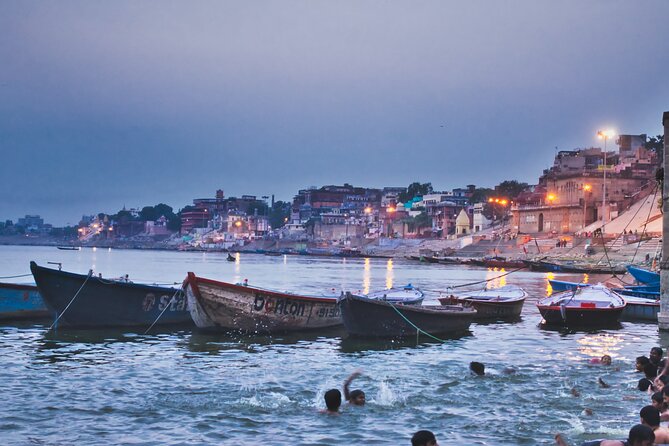
The Varanasi section begins with the Ganga Aarti, an evening ceremony on the Ganges. The ritual involves offering fire to the gods, and it gives you a powerful introduction to the religious life of the river.
The next morning, a boat ride passes the famous ghats, temples, and cremation areas. The boat ticket is included. This is a place to follow your guide’s instructions about photography and respectful behavior, particularly near cremation sites.
You then travel to Sarnath, about six kilometers from Varanasi. Buddhist tradition places the Buddha’s first sermon here after enlightenment. Dhamek Stupa and the Sarnath Museum are the main attractions, with museum admission extra.
Alamgir Mosque completes the sightseeing. Varanasi can feel intense, and the schedule does not offer a long recovery period. Still, the combination of evening ceremony, morning river ride, Sarnath, and the mosque gives you more than a quick city visit.
Crossing into Nepal requires preparation
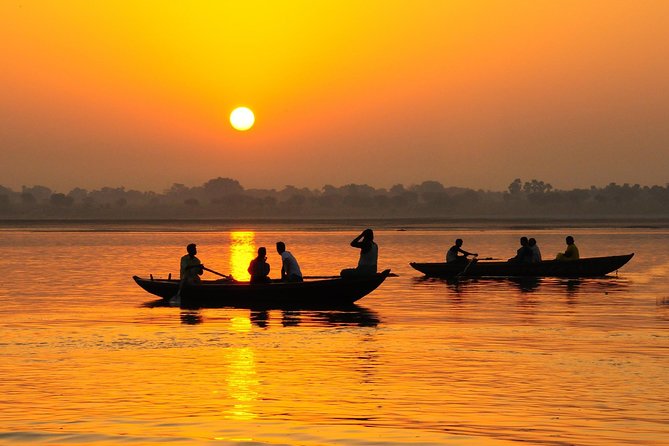
The journey to Lumbini is one of the less glamorous but important days. You cross the border into Nepal, so have your passport ready, along with one passport photograph and $30 for the Nepal visa.
Lumbini is a Buddhist pilgrimage site in Rupandehi District. The Lumbini Zone offers a calmer setting after Varanasi, with a two-hour visit before the trip continues toward Pokhara.
The border crossing and long road transfer are practical reasons to keep your expectations flexible. Confirm the day’s timing, visa process, and hotel details in advance. This is also a good point to check that you still have enough local currency for small expenses.
Pokhara adds lake views and a Himalayan morning
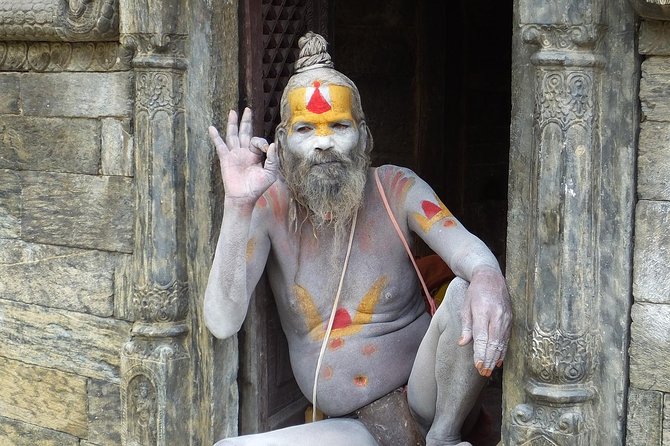
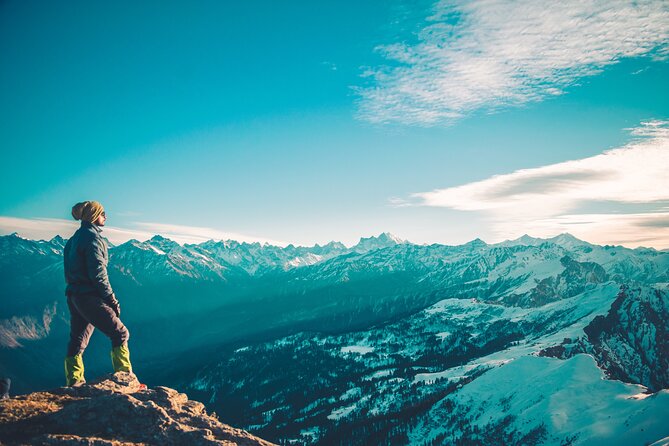
Pokhara is the gateway to the Himalaya and brings a welcome change in scenery. At Phewa Lake, you take a boat ride and stop at Varahi Temple. On clear days, the trip offers views toward peaks of the Annapurna Massif, though mountain visibility depends on conditions.
Devi’s Fall is a short sightseeing stop. Water drops into a channel and forms a tunnel below ground. Bindhyabasini Temple, one of Pokhara’s oldest temples, adds a local religious setting and draws worshippers from across Nepal.
The next morning starts with a moderate trek to Sarangkot for sunrise. The walk lasts about four hours, so this is not a simple roadside viewpoint. You should be comfortable with a moderate morning hike and prepared for an early start.
After Pokhara, you drive to Kathmandu. Evening is free, which is useful after several active days.
Kathmandu Valley finishes with temples at every turn
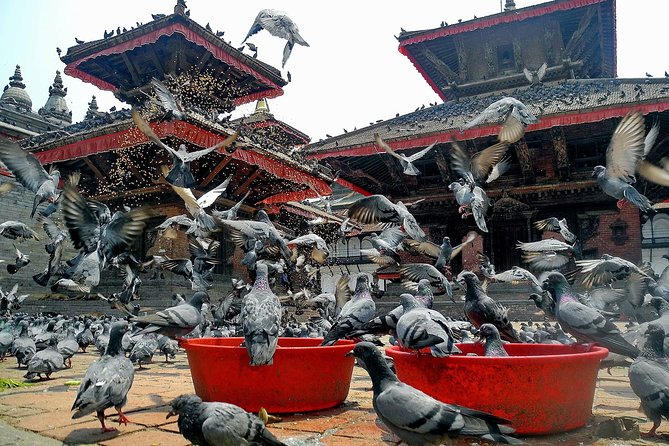
Kathmandu Durbar Square is the first major stop. The old royal palace sits among temples and other important buildings, with paid admission. You then visit Swayambhunath, one of Nepal’s oldest Buddhist worship sites. The stupa is famous for the Buddha’s eyes, and the hilltop setting gives the visit a strong visual finish.
Pashupatinath follows. This is Nepal’s most important Hindu pilgrimage site, dedicated to Shiva and located beside the Bagmati River. The setting is religiously important, so dress properly and follow local rules.
The final full sightseeing day covers Patan, Bhaktapur, and Boudhanath. Patan Durbar Square is known for carved temples, shrines, and the former royal palace complex. Bhaktapur has preserved more of its medieval character than Patan, making the two cities worth seeing together.
Boudhanath is one of Nepal’s largest spherical stupas. The surrounding Tibetan Buddhist presence includes more than 50 monasteries, and the stop gives you a different religious atmosphere from Pashupatinath.
On day 17, you transfer to Tribhuvan International Airport for the included flight to Delhi. The flight includes 20 kilograms of checked luggage and 10 kilograms of hand luggage. Check your onward plans carefully, since the tour ends at Kathmandu airport after the transfer and flight arrangement returns you to Delhi.
Who will get the most from this journey
I would choose this tour if you want maximum coverage, private road transport, and a first trip through northern India and Nepal. It suits someone who values famous monuments and religious sites more than long stays in one town.
It is also a practical option for solo visitors or small private groups who do not want to arrange drivers, hotels, guides, and the Nepal transfer separately. A vegetarian breakfast option is available if requested at booking.
I would hesitate if you dislike long drives, early starts, border crossings, or frequent hotel changes. The trip is full, and some days combine several admissions, long road transfers, and sightseeing. Three-star hotels keep the cost down, but you should not expect resort-style comfort.
The private format gives you some flexibility, yet it also puts more responsibility on you. Confirm guide names, pickup times, hotel names, monument fees, and border arrangements. Clear communication will make a major difference.
Should you book Essence of magnificent India and Nepal?
Book it if the idea of seeing the Taj Mahal, Varanasi, Khajuraho, Pokhara, and Kathmandu in one trip excites you. The strongest features are the private air-conditioned vehicle, daily breakfast, local guides in the major cities, the Delhi rickshaw ride, the Varanasi boat trip, and the included Kathmandu to Delhi flight.
Do not book it expecting a leisurely holiday or a fully prepaid package. Add the $200 monument budget, $30 Nepal visa, meals, and possible extras before deciding. The tour is best for an energetic, organized visitor who wants a broad introduction and accepts that the schedule will be demanding.
Free cancellation is available until 24 hours before the start time. Within 24 hours, changes and cancellations are not refunded.
FAQ
How long is the India and Nepal tour?
The tour lasts approximately 17 days and includes 16 nights of accommodation.
What accommodation is included?
You stay in three-star hotels with air conditioning and private bathrooms, according to the planned route.
Is transportation private?
Yes. The tour includes an air-conditioned private vehicle with a personal English-speaking driver. It also includes pickup and drop-off in Delhi and a one-way flight from Kathmandu to Delhi.
Are meals included?
Seventeen breakfasts are included. Lunches and dinners are not included. A vegetarian option is available if you request it when booking.
Are monument entrance fees included?
Most monument entrance fees are not included. The stated estimate is about $200 per person for tickets to the monuments.
What do I need for the Nepal border crossing?
You need one passport photograph and $30 for the Nepal visa. You cross into Nepal before reaching Lumbini.
Is the Varanasi boat ride included?
Yes. The tour includes a Varanasi boat ride, including the morning boat trip along the Ganges. It also includes the Delhi rickshaw ride and the Phewa Lake boat ride in Pokhara.
Newly reviewed around New Delhi
- Private Customized Tour Of Old/New Delhi Spiritual Sites★ 5.0 · 5 reviews
- Yoga and Meditation Classes in Gurgaon★ 4.5 · 8 reviews
- Yoga class in Delhi★ 5.0 · 29 reviews
- Old Town Delhi Walking Tour (2 Hours Guided Tour with Local)★ 4.5 · 22 reviews
- 5 Days Golden Triangle Tour with Ranthambore(Delhi Agra Jaipur Ranthambore Tour)★ 5.0 · 3 reviews
- Wonderful Old & New Delhi sightseeing tour★ 5.0 · 3 reviews
- Hidden Gems of Old Delhi – Walk★ 5.0 · 8 reviews
- Delhi Zoo White Tigers & lions with Old Fort Visit★ 4.5 · 5 reviews