
Reviewed · GOLDEN TRIANGLE TOURS FROM DELHI
Golden Triangle Tour
Old Delhi’s narrow lanes, a cycle rickshaw through Chandni Chowk, an elephant ride up to Amber Fort, and sunrise at the Taj Mahal give this seven-day trip its real appeal. It covers India’s big first-timer sights while still leaving room for smaller stops such as Samode and Abhaneri.
I like the private format, since your group can request reasonable itinerary changes rather than follow a fixed coach schedule. I also like that the package includes six hotel nights, a vehicle, guides, entrance fees, meals, and bottled water, which makes the $855 price easier to judge.
The main consideration is the pace. Several days run eight to ten hours, and the arrival and departure days are mostly transfer days. You will see a lot, but this is not a slow, restful holiday.
Key points to know before booking
- Old Delhi by cycle rickshaw: Ride through Chandni Chowk and the lanes around Asia’s largest spice market.
- Amber Fort by elephant: The ascent is included, with a jeep ride down the hill.
- Sunrise at the Taj Mahal: An early start gives you the planned visit in softer morning light.
- Samode and Abhaneri: These stops add village scenery, old architecture, and a historic step well beyond the major cities.
- Private travel throughout: Your group travels in an air-conditioned vehicle sized to the party, with a government-approved guide.
- Useful language support: English and other language guides can be arranged. Ajay, specifically praised for his Spanish and cultural explanations, may be worth requesting if available.
What this seven-day Golden Triangle route does well
India’s Golden Triangle links Delhi, Jaipur, and Agra in a compact route. This version adds Samode and Abhaneri, plus the abandoned Mughal city of Fatehpur Sikri. That gives you more than a checklist of famous monuments.
The trip is designed for a first visit. You get Delhi’s crowded old quarter, Jaipur’s royal buildings, Mughal architecture, a famous step well, and the Taj Mahal, all with a private driver and guide. The arrangement also allows changes when practical, which matters in India, where traffic and local timing can reshape a day.
The price is $855 for about seven days. The value depends on what is included: six nights in shared twin or double rooms, an air-conditioned vehicle, sightseeing guides, listed entrance fees, five breakfasts, lunch, dinner, bottled water during drives, and the elephant and jeep rides in Jaipur. International flights, visas, insurance, most personal spending, tips, laundry, and unspecified meals are extra.
For a private trip with hotels and transport included, that is a substantial bundle. Still, check the exact hotel names, room standards, meal schedule, and whether the $855 price changes for solo occupancy before paying. The stated price is based on sharing a double or twin room.
More Golden Triangle routes from New Delhi:
- 3-Days Private Golden Triangle Tour: Delhi, Agra & Jaipur by Car
★ 5.0 · 1,107 reviews - 3-Days Private Golden Triangle Tour: Delhi, Agra & Jaipur by Car
★ 5.0 · 1,098 reviews - 3-Day Delhi, Agra and Jaipur Private Tour – India Golden Triangle
★ 5.0 · 812 reviews
Day 1: Arriving in Delhi and getting settled
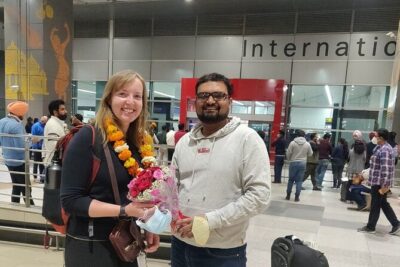
Your trip begins at Indira Gandhi International Airport, where a representative meets you and transfers you to the hotel. Standard hotel check-in is at 2 p.m., so an early arrival may involve waiting unless early check-in is arranged and paid for.
Delhi is a sensible starting point because the city introduces the scale and variety of northern India before you move on to Rajasthan and Agra. This first day is mainly for arrival and settling in, with no major sightseeing program promised.
The airport pickup removes one early nuisance. After a long international flight, having a driver meet you is useful, especially when you are still working out local roads, traffic, and hotel arrangements. The day is listed as about eight hours, but the actual sightseeing content depends on your flight time.
Day 2: Old Delhi, Chandni Chowk, and the spice market
After breakfast, you begin a full-day private Delhi tour with a guide in English or another selected language. The route includes drives past the Red Fort and Jama Masjid, followed by a cycle rickshaw ride through Chandni Chowk.
This is the day that gives you the strongest street-level view of Delhi. Old Delhi is made for short distances and narrow lanes, not for a large sightseeing bus. The rickshaw lets you pass through areas where a car cannot go, including the lanes around the spice market.
The spice market is a sensory stop, with sacks and shops built around the trade in Indian seasonings. The tour description identifies it as Asia’s largest spice market, but the practical value is simpler: you get a look at a working commercial quarter rather than only polished monuments.
You should expect a busy, uneven environment. Chandni Chowk can be tiring for anyone who wants quiet streets or easy movement. Keep valuables secure, wear comfortable shoes, and follow the guide’s advice about where to walk and when to stay with the rickshaw.
The Red Fort and Jama Masjid help set the historical frame, even if the program says to drive past them rather than promise a full interior visit. If entering either site matters to you, confirm that before booking. The day lasts about eight hours, so the private vehicle provides welcome breaks between walking and rickshaw sections.
Day 3: Samode and the road toward Jaipur
After breakfast, you travel to Samode, a village in the Aravalli Hills. The visit is intended for walks and a look at local art, culture, crafts, and historic buildings.
Samode changes the rhythm of the trip. Delhi is an intense capital, while Samode offers a smaller setting and a chance to see Rajasthan beyond the main city sights. The stop may appeal most if you want village atmosphere and traditional details rather than another large monument.
This is also a long day, listed at about ten hours. The time includes road travel, so you should not treat Samode as a relaxed full-day village stay. The route is best understood as a scenic and cultural break on the way toward Jaipur.
The description does not specify the hotel used that night or the exact length of the Samode visit. Ask how much time is planned on foot and where you will stay afterward. That detail can affect how enjoyable the day feels, particularly after the long Delhi sightseeing day.
Same starting point, a completely different day out:
- Old & New Delhi City Tour – Half or Full Day Options Available
★ 5.0 · 4,811 reviews - Same Day Taj Mahal, Agra Fort & Baby Taj Tour from Delhi by Car
★ 5.0 · 4,304 reviews - Taj Mahal Day Tour from Delhi by Superfast Train – TOP RATED TOUR
★ 5.0 · 4,166 reviews - Full Day Taj Mahal, Agra Fort & Baby Taj Tour from Delhi by Car
★ 5.0 · 3,647 reviews
Day 4: Jaipur, Hawa Mahal, and Amber Fort
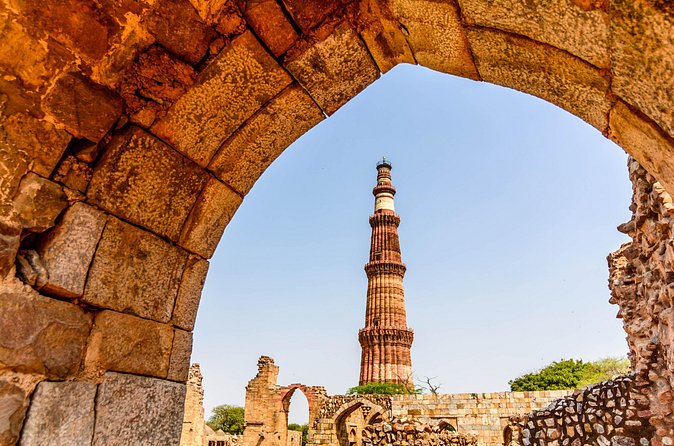
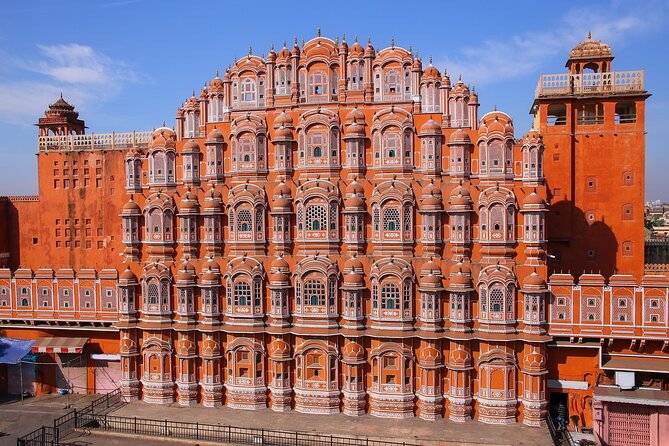
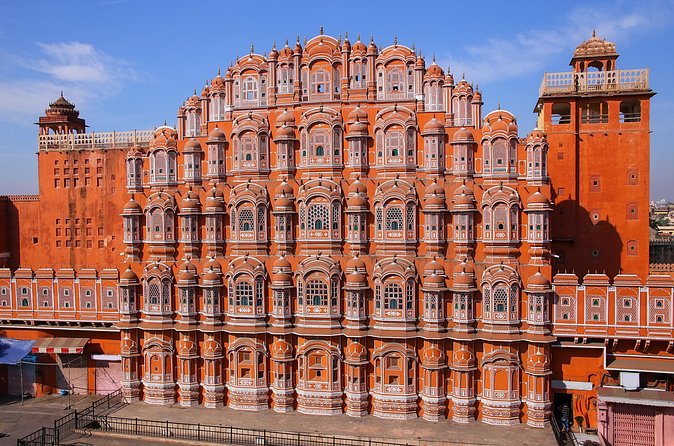
Jaipur is known as the Pink City, and the sightseeing day begins with a stop at Hawa Mahal, the Palace of Winds. This is mainly a photo stop and a chance to glimpse the ornate facade rather than a full visit described in the schedule.
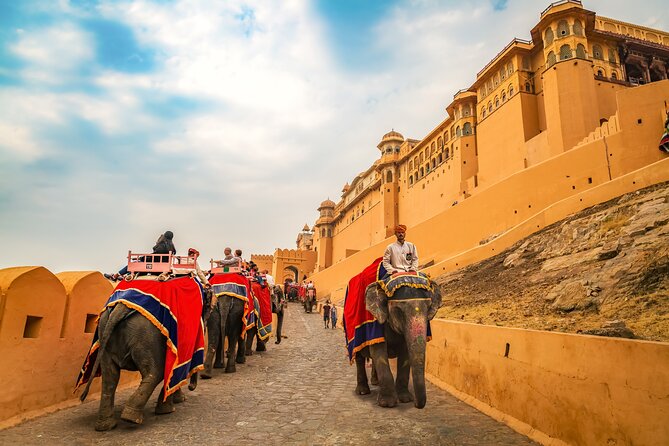
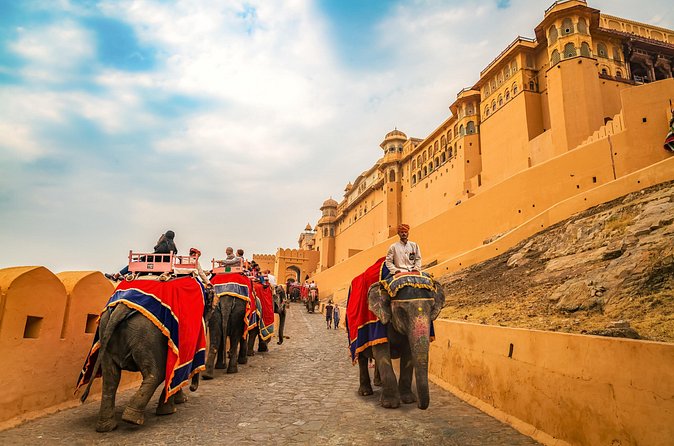
The main event is Amber Fort, about 10 kilometers from Jaipur. The included elephant ride takes you uphill to the fort, followed by a jeep ride down. That split makes the experience more practical than an elephant ride in both directions, and it lets you see the approach to the fort in a traditional way while using a vehicle for the return.
Amber Fort is the kind of place where a guide adds real value. Its courtyards, walls, and royal spaces make more sense when someone explains how the fort functioned and how it relates to Jaipur’s ruling family. The official guide is included, along with entrance fees.
The elephant ride is also the part to consider carefully. Some visitors will see it as a memorable cultural experience, while others may have concerns about animal welfare or may simply prefer the jeep. Ask the operator about current elephant practices and tell the company if you want to use the jeep instead, if that option is available.
The Jaipur day runs about ten hours. Hawa Mahal is a short photo-oriented stop, while Amber Fort requires more time and walking. You should wear shoes with a firm sole and expect heat, steps, and uneven surfaces. The private vehicle helps, since Jaipur sightseeing is spread out.
Day 5: Abhaneri, Fatehpur Sikri, and onward to Agra
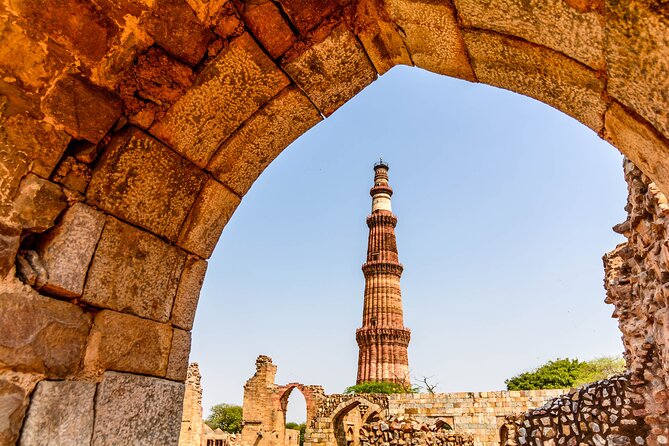
After breakfast, you drive toward Agra, stopping first at Abhaneri and its Chand Baori step well. This 1,000-year-old structure is famous for its geometric flights of steps leading down to the water level.
Chand Baori is a strong addition to the route because it gives you a different kind of architectural experience. You are not simply entering a palace or fort. You are looking at an ingenious public water structure and the way design responded to a hot, dry region.
The day continues to Fatehpur Sikri, the 400-year-old deserted Mughal city built by Emperor Akbar in the mid-16th century. Its abandoned setting gives the site a striking quality. You can walk through royal and civic spaces while your guide explains how the city fit into Mughal rule.
This is another nine-hour day, with road time and two substantial stops. The payoff is variety, but you should not expect long, unhurried visits at every location. Carry the provided water, and remember that only two mineral-water bottles per day are included while traveling. If you need more, budget for extra bottles.
You then continue to Agra. The schedule does not specify the exact hotel or the evening program, so the most important practical task is getting enough rest for the early Taj Mahal visit.
Day 6: Sunrise at the Taj Mahal and Agra
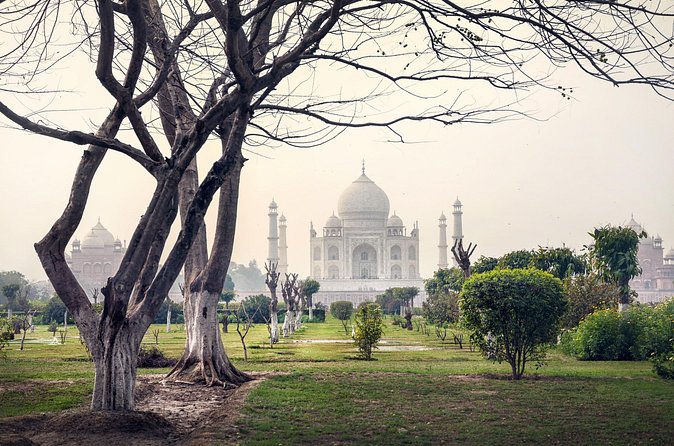
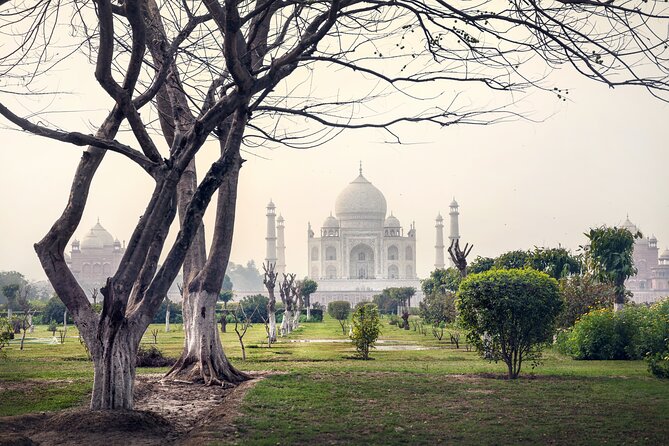
The day begins early with a sunrise visit to the Taj Mahal. This is one of the strongest choices in the program. Morning light is the planned setting, and an early visit can make the monument feel more measured before the rest of the day begins.
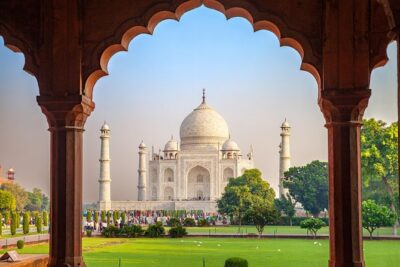
The Taj Mahal was built by Mughal emperor Shah Jahan for his empress Mumtaz. Its white marble, formal gardens, and mausoleum design are the visual center of the entire Golden Triangle route. Your guide is included, so you can get the historical setting rather than only a photo.
The schedule lists about ten hours, but it does not name additional Agra sights for the rest of the day. Ask what is planned after the Taj Mahal. The included traditional Indian saree is for photographs in front of the monument, not for general use, so treat it as an optional photo feature rather than a cultural activity lasting all day.
The early start can be hard after several long touring days. If the Taj Mahal is your priority, it is worth protecting your energy the night before. This is also a good point to confirm the exact meeting time with your guide and driver, since sunrise changes by season.
Day 7: Returning to Delhi and flying home
The final day is for breakfast and transfer to the airport. An early morning transfer may be arranged for overseas flights, and standard hotel checkout is noon.
The day is listed at about six hours, but it is not a sightseeing day. Build your flight plans around the transfer rather than trying to add an ambitious final monument. The activity ends back at the original meeting point at Indira Gandhi International Airport.
Because the tour starts and ends at the airport, it works well for an international arrival and departure. You will need to handle your own airfare, visa, insurance, excess baggage, personal communication, and any late checkout or early check-in fees.
Guides, vehicles, and the private-tour advantage
The tour uses an air-conditioned vehicle based on group size. That matters on a route with long drives between Delhi, Samode, Jaipur, Fatehpur Sikri, and Agra. You are not tied to a large coach, and the private setup gives your group more control over reasonable timing changes.
A government-approved guide accompanies the sightseeing visits. English is offered, and other languages may be available. One Spanish-language guide named Ajay received especially strong praise for explaining Indian culture and religion clearly, so Spanish-speaking visitors should ask if he can be assigned.
The company says it is open to changes when those changes fit the route. That does not mean every request is possible. Confirm changes in writing, especially if they affect hotel nights, entrance tickets, meal arrangements, or the airport transfer.
The trip is private, with only your group participating. That is a major advantage if you want to ask questions, take a little longer at a site, or adjust the pace. It also means the price is tied to the group arrangement, so confirm how the cost changes for one, two, or more people.
Meals, hotels, and what the $855 covers
Six hotel nights in well-appointed shared double or twin rooms are included, along with five breakfasts, lunch, and dinner. The wording does not identify every meal by day, so ask for a meal schedule if food planning matters to you.
Other meals, drinks, laundry, tips, and personal expenses are not included. The package provides two bottles of mineral water per day while traveling, which is helpful but not an unlimited supply.
Hotel quality can vary even when a package uses positive general descriptions. Ask for the hotel names, room photos, location, and cancellation terms before booking. A hotel in a central area may make independent evening plans easier, while a roadside or outer-city hotel may shorten some transfers.
At $855, the package makes the most sense if you value convenience. Paying separately for six nights, a driver, multiple guides, entrance fees, airport transfers, meals, and the Jaipur rides can add up quickly. The price is less attractive if you already have hotels, prefer public transport, or want to choose every restaurant and sightseeing stop yourself.
Who should choose this tour
I would recommend this trip to a first-time visitor who wants the classic northern India route without arranging every transfer. It also suits families and small groups that value a private vehicle, airport pickup, and a guide who can explain the monuments in a chosen language.
It is a good fit if you want the major sights but also appreciate smaller additions such as Samode and Chand Baori. The itinerary gives you a broad introduction rather than a slow study of one city.
I would hesitate if you dislike early mornings, long road days, animal rides, or tightly packed sightseeing. The schedule is active, and the Taj Mahal sunrise visit requires an early start. You should also be comfortable with crowded lanes, uneven historic sites, and the intensity of Old Delhi.
The stated cancellation terms allow a full refund when you cancel at least 24 hours before the start time. Weather or minimum-group issues may lead to a different date or a full refund. Accessibility information says a wheelchair user can be lifted and seated, but a stroller is not provided and a wheelchair cannot go inside the vehicle.
Should you book the Golden Triangle Tour?
Book it if you want a well-organized private introduction to Delhi, Jaipur, and Agra, with the major logistics handled for you. The strongest features are the Old Delhi rickshaw ride, Amber Fort ascent, the extra stops at Samode and Abhaneri, and the sunrise Taj Mahal visit.
Before booking, ask for the hotel list, exact meal plan, guide language, Ajay’s availability if Spanish is important, and the precise sightseeing included in Agra on Day 6. If you accept the long days and confirm those details, the $855 package offers a practical way to see a large slice of northern India in one week.
FAQ
Where does the tour start?
The tour starts at Indira Gandhi International Airport in New Delhi, Delhi 110037, India.
Where does the tour end?
The activity ends back at the original meeting point, Indira Gandhi International Airport.
How long does the tour last?
The tour lasts approximately seven days and includes six nights of hotel accommodation.
Is this a private tour?
Yes. Only your group participates in the activity, and the vehicle is selected according to the size of your group.
Is airport pickup included?
Yes. A representative meets you at Delhi airport on arrival and transfers you to the hotel.
Are guides and entrance fees included?
An English or other language-speaking government-approved guide is included for sightseeing, and entrance fees for the included visits are also covered.
Are meals included?
Five breakfasts, lunch, and dinner are included. Other meals and drinks are not included unless specifically listed.
Is the elephant ride at Amber Fort included?
Yes. The elephant ride uphill at Amber Fort and the jeep ride downhill are included.
What is the cancellation policy?
You can cancel at least 24 hours before the start time for a full refund. Cancellations or changes made less than 24 hours before the start time are not refunded or accepted.
Newly reviewed around New Delhi
- Private Customized Tour Of Old/New Delhi Spiritual Sites★ 5.0 · 5 reviews
- Yoga and Meditation Classes in Gurgaon★ 4.5 · 8 reviews
- Yoga class in Delhi★ 5.0 · 29 reviews
- Old Town Delhi Walking Tour (2 Hours Guided Tour with Local)★ 4.5 · 22 reviews
- 5 Days Golden Triangle Tour with Ranthambore(Delhi Agra Jaipur Ranthambore Tour)★ 5.0 · 3 reviews
- Wonderful Old & New Delhi sightseeing tour★ 5.0 · 3 reviews
- Hidden Gems of Old Delhi – Walk★ 5.0 · 8 reviews
- Delhi Zoo White Tigers & lions with Old Fort Visit★ 4.5 · 5 reviews
Golden Triangle Tours from Delhi, compared.
3-Days Private Golden Triangle Tour: Delhi, Agra & Jaipur by Car
Read our review →3-Days Private Golden Triangle Tour: Delhi, Agra & Jaipur by Car
Read our review →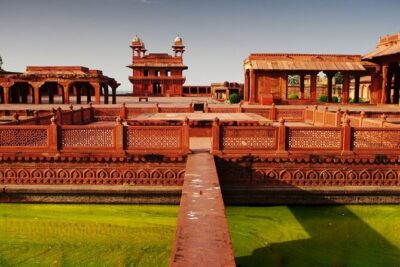
3-Day Delhi, Agra and Jaipur Private Tour – India Golden Triangle
Read our review →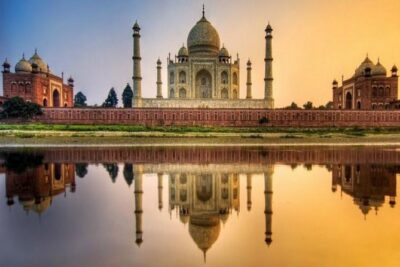
Four-Day Private Luxury Golden Triangle Tour to Agra and Jaipur From New Delhi
Read our review →
5 Nights 6 Days Private Golden Triangle Tour – Delhi Agra Jaipur
Read our review →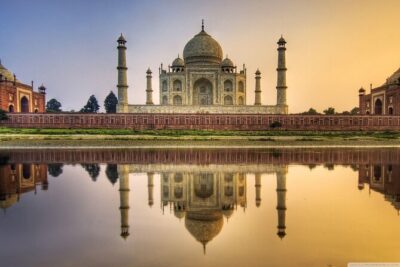
Private Car and Drive for Golden Triangle (4N/5D)
Read our review →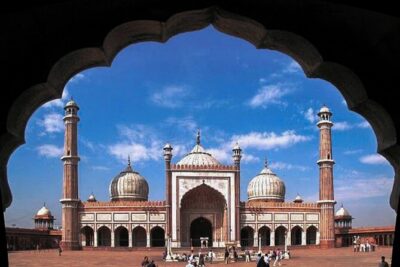
Private Golden Triangle Tour Delhi Agra Jaipur ( Top Rated )
Read our review →Browse the lists this tour appears in