
Reviewed · GOLDEN TRIANGLE TOURS FROM DELHI
From Delhi- 5 Days Private Golden Triangle Tour
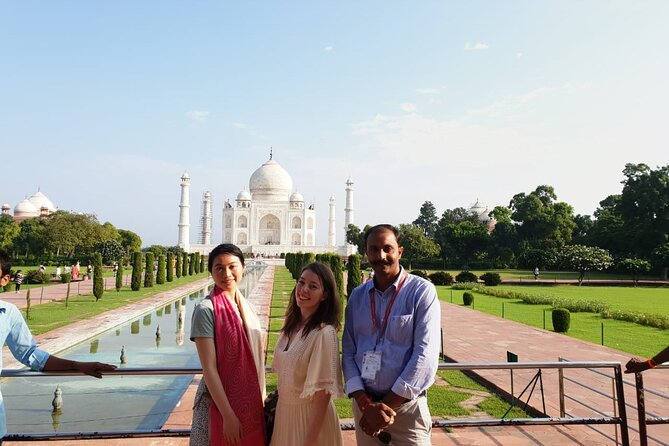
The best feature here is the private five-day route linking Delhi, Agra, and Jaipur without making you fend for yourself in India’s busy capital cities. You get a dedicated car, driver, and English-speaking guide, with time for the Taj Mahal at sunrise, old markets, grand forts, and Jaipur’s traditional crafts.
I like the mix of famous sights and ordinary city life, especially Chandni Chowk, Connaught Place, and the markets of Jaipur. I also like the flexibility. Guides such as Sabir, MJ, Javed, and Subir are named in past bookings, and the tour is designed to adjust its pace around your interests, photography, shopping, and meals.
The main catch is that entry tickets, hotels, and meals cost extra. The schedule is also packed, with long drives and several days of sightseeing, so this suits you best if you want to cover the Golden Triangle efficiently rather than linger in one city.
Five details that shape the experience
- Taj Mahal at sunrise: Arrive early for the softest light and fewer people around the monument.
- Private transport throughout: Your air-conditioned car includes the driver, fuel, tolls, parking, taxes, bottled water, snacks, and Wi-Fi.
- Delhi in two stages: See modern government Delhi and old Mughal Delhi, including India Gate, Jama Masjid, and Chandni Chowk.
- Jaipur beyond the postcard stops: Add Galtaji Temple, Royal Gaitor, Jaigarh Fort, Nahargarh Fort, stepwells, temples, and local bazaars.
- A hands-on craft activity: The hand block printing class gives you a practical look at one of Jaipur’s traditional arts.
- A truly private format: Only your own group takes part, which makes the schedule easier to adjust.
Why this private Golden Triangle tour works
India’s Golden Triangle covers three very different cities. Delhi gives you imperial avenues, Mughal monuments, shrines, markets, and modern shopping. Agra brings the Taj Mahal and the Mughal forts that shaped northern India. Jaipur adds painted facades, royal courtyards, hill forts, observatories, and craft traditions.
Five days is enough to see the main sights without changing hotels every night, but it is not a slow trip. You will spend considerable time in the car, especially on the Delhi to Agra and Agra to Jaipur legs. The benefit is that your driver and guide handle the roads, parking, monument entrances, and local navigation while you focus on the places in front of you.
The private setup matters here. You can ask for more time at a monument, shorten a market visit, or pause for photographs without waiting for a bus full of people. Past bookings also point to guides who help with restaurant choices, photography, shopping, and explanations of local history. The exact guide is not guaranteed, so treat names such as Sabir, MJ, Javed, and Subir as examples of the guiding team rather than a promise of one specific person.
More Golden Triangle routes from New Delhi:
- 3-Days Private Golden Triangle Tour: Delhi, Agra & Jaipur by Car
★ 5.0 · 1,107 reviews - 3-Days Private Golden Triangle Tour: Delhi, Agra & Jaipur by Car
★ 5.0 · 1,098 reviews - 3-Day Delhi, Agra and Jaipur Private Tour – India Golden Triangle
★ 5.0 · 812 reviews
Day 1: Chandni Chowk to Connaught Place
The opening day introduces you to Delhi from several angles. You begin in Chandni Chowk, a historic commercial district where narrow streets carry food stalls, shops, religious buildings, and an almost nonstop flow of daily business. The planned visit lasts about 45 minutes, which gives you a taste rather than a full exploration.
That short visit is useful if this is your first time in India and you need to get your bearings. It can also feel quick if you want to shop or sample street food. Tell your guide early if food or local shopping matters more to you than collecting another short photo stop.
The route then passes Parliament House on Sansad Marg. This is a drive-by look at the formal center of government, with about 20 minutes assigned to the area. It is not a full museum visit, but it helps contrast Delhi’s broad official avenues with the tight streets of Old Delhi.
At India Gate, you have another 20-minute stop. The memorial honors Indian soldiers who died in World War I, and its open setting makes it an easy place for photographs. Your guide can provide the context that the monument itself cannot.
Raj Ghat follows, with about 30 minutes. The simple black marble platform marking Mahatma Gandhi’s memorial is quieter than the city streets around it. Admission is listed as not included, so keep a little money available for site fees.
The day closes at Connaught Place and Janpath. This circular shopping district offers a different face of Delhi, with colonial-era planning, shops, restaurants, and room to walk. The 45-minute visit is enough to look around, but not enough for serious shopping.
Jama Masjid provides the strongest architectural finish to the day. Its red sandstone and white marble create a grand setting, while the surrounding Old Delhi streets keep the visit connected to everyday life. Plan for modest clothing and follow your guide’s advice about local customs. The visit lasts about 30 minutes.
Day 2: Mughal design and the road toward Agra
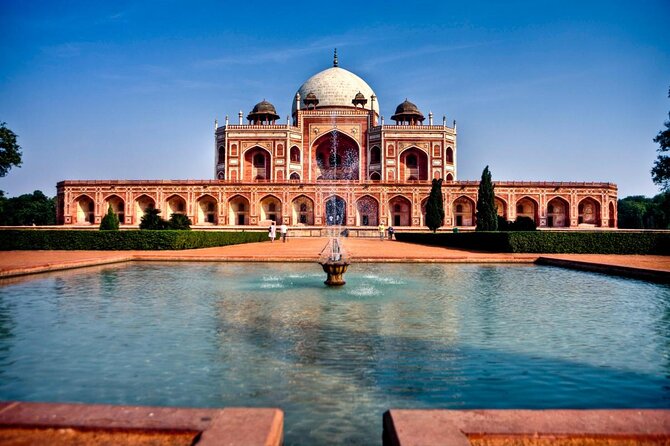
Day two begins with Humayun’s Tomb, one of Delhi’s most important Mughal monuments. Its formal garden layout, balanced design, and large dome help you understand the architectural ideas that later reached their grandest expression at the Taj Mahal. The tour allows about an hour here, enough to walk through the gardens and take in the building at a reasonable pace.
Qutub Minar offers a different chapter of Delhi’s past. The tall minaret and surrounding complex date to the 12th century and are listed as a UNESCO World Heritage Site. Again, you have about an hour. This is a good place to let your guide explain how Delhi’s monuments reflect different ruling periods rather than treating the city as one single historical story.
Both Humayun’s Tomb and Qutub Minar require separate entrance tickets. Those fees are not part of the tour price, so budget for them along with the other monuments in Delhi, Agra, and Jaipur.
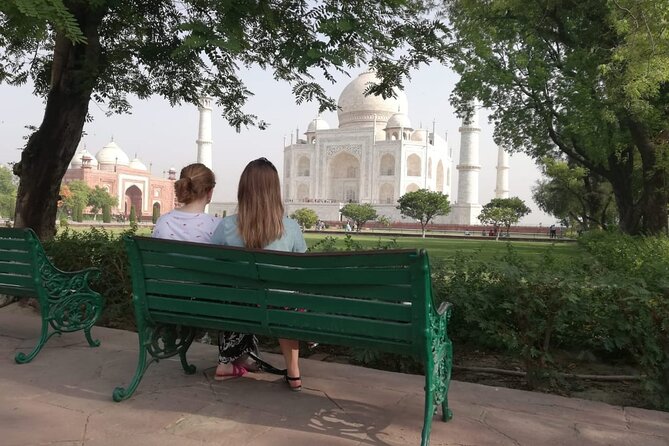
The final stop is Mehtab Bagh in Agra, where you spend about 40 minutes looking toward the Taj Mahal from across the Yamuna River. The garden was designed with a classic Mughal layout and offers a useful change of perspective. You see how the Taj Mahal relates to its setting rather than only viewing it from the main entrance.
This day has a practical advantage: you reach Agra in time to prepare for the early Taj Mahal visit. The disadvantage is that the exact amount of free time depends on traffic and how long you spend at the Delhi monuments. If sunrise at the Taj Mahal is your top priority, keep the evening simple.
Day 3: The Taj Mahal, Agra Fort, and Fatehpur Sikri
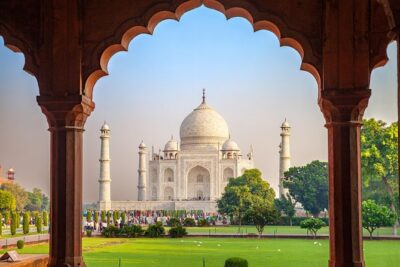
The Taj Mahal is scheduled early, and that is the right call. The first light gives the white marble a softer appearance, while the early start helps you avoid the heaviest crowds. The visit is planned for three hours, allowing time for the approach, the main platform, photographs, and the surrounding grounds.
You should expect security procedures and a significant amount of walking. Keep your belongings light and follow the guide’s instructions. The ticket is not included, and still-camera or video fees may also apply at monuments.
After the Taj Mahal, Agra Fort gives you the historical counterpoint the famous mausoleum needs. The fort is a huge red sandstone complex with palaces, courtyards, defensive walls, and views toward the Taj Mahal. You have about an hour here. I consider this stop essential because it explains the power and family politics behind the Mughal court, rather than presenting the Taj Mahal as an isolated love story.
The route then continues to Fatehpur Sikri, with the Panch Mahal as the listed focus. This five-story structure was built under Emperor Akbar and reflects a more experimental style than the formal monuments in Agra. The visit lasts about an hour.
Fatehpur Sikri adds variety, but it also makes day three one of the most demanding days. You are combining an early start, a major monument, a fort, and another historic complex before continuing toward Jaipur. If you tire easily, ask your guide how much time you need at each stop. The private format makes that conversation possible.
A few more New Delhi day trips worth putting side by side
- Private 5-Day Ranthambhore Tiger Tour from Delhi including the Taj Mahal, Agra and Jaipur
★ 5.0 · 197 reviews - 5-Day Private Luxury Golden Triangle Tour to Agra and Jaipur From New Delhi
★ 5.0 · 142 reviews - Private Golden Triangle Tour 5 Days Delhi Agra Jaipur
★ 5.0 · 92 reviews - Five Day – Private Luxury Golden Triangle Tour to Agra & Jaipur From New Delhi.
★ 5.0 · 67 reviews
Day 4: Jaipur’s forts, temples, and old markets
Jaipur’s fourth day begins at the Albert Hall Museum, a 45-minute stop that introduces regional art and decorative traditions in a grand building. The visit is fairly short, so think of it as an overview rather than a museum day. Entrance is extra.
Galtaji Temple, often called the Monkey Temple, brings you into a more active religious setting. The complex is known for the monkeys living around it, but the temple buildings and surrounding hills are the real reason to visit. The stop lasts about 45 minutes and has no listed admission charge. Stay alert around food and personal items near the animals, and follow your guide’s instructions.
Royal Gaitor Tumbas is a quieter stop. The marble memorials for Jaipur’s former rulers sit among hills and offer detailed carving without the crowds associated with the city’s biggest monuments. You have about 30 minutes, enough for photographs and a short explanation of the royal memorial tradition.
Chandpole Bazar gives you a stronger dose of everyday Jaipur. The 90-minute visit is long enough to browse, watch local commerce, and look for textiles, crafts, or food. Shopping can be useful here, but keep your budget and preferences clear. Your guide can help with communication, but you should decide what you actually want to buy.
The afternoon moves to Jaigarh Fort, set on a hill above Jaipur. Its sturdy walls, military design, large cannon, and broad views make it different from the palaces in the city center. The planned visit is 40 minutes, which is enough for a focused look but may feel short if you enjoy fortifications.
Nahargarh Fort is also included, but the stated time is only one minute. That appears to be a photo or drive-by pause rather than a full fort visit. If you want to walk around Nahargarh, ask about the timing before the day begins. This is one of the clearest places where the published schedule may not match a full visit.
The hand block printing class is one of the tour’s more distinctive additions, even though the stop is not assigned a day or duration in the schedule. You can make your own printed piece while learning how this traditional craft works. The printing master’s tip is not included, so allow for that extra cost.
Day 5: Stepwells, palaces, and Jaipur’s final icons
Panna Meena ka Kund is a short 20-minute stop. This geometric stepwell was built to store water during dry periods, but its repeated stairs and strong lines also make it one of Jaipur’s most photographed sites. You may not have time for a long visit, so arrive ready to look, listen, and take photographs efficiently.
The nearby Jagat Shiromani Ji Temple receives about 30 minutes. Dedicated to Lord Krishna, it is known for carved details and painted decoration. This stop adds a spiritual and artistic note before the day’s major palace visits.
Jal Mahal is viewed from the edge of Man Sagar Lake. The palace sits in the water, and the planned 15-minute stop is mainly for photographs and a short explanation. It is not presented as an interior visit, so keep your expectations focused on the exterior view.
The City Palace receives a more generous 90 minutes. Built by Maharaja Sawai Jai Singh II, the complex combines courtyards, gardens, and royal buildings. This is one of the day’s main visits, and you will get more from it if you let your guide connect the rooms and courtyards to Jaipur’s ruling family rather than rushing from one photo point to the next.
Hawa Mahal follows with a 20-minute stop. Its honeycomb-like facade is the familiar Jaipur image, but the building also reflects the social customs of royal women who watched street life from screened windows. The tour does not promise a lengthy interior visit, so confirm with your guide what access is available that day.
Jantar Mantar finishes the sightseeing. This UNESCO World Heritage Site contains large astronomical instruments built by Maharaja Sawai Jai Singh II in the 18th century. Thirty minutes is enough for a guided explanation of the instruments, but the site rewards attention. Without context, the structures can look like abstract sculptures.
What the $359.90 price covers
At $359.90 per person, the value depends heavily on the size of your group. A private air-conditioned car, driver, English-speaking guide, fuel, tolls, parking, taxes, Wi-Fi, bottled water, cookies, snacks, and a soft drink are included. For a group sharing the vehicle, that can be a sensible way to handle a complicated five-day route.
Hotels, meals, monument tickets, insurance, medical or emergency costs, camera fees, and tips are extra. You should calculate the total cost with those items before booking. The listed price is best understood as payment for private transport, guiding, and coordination, not as an all-inclusive holiday.
Accommodation is not arranged in the stated package, though help with booking is available. That gives you control over your hotel budget, but it also means you need to settle your overnight plans before the trip begins.
Who will get the most from this tour
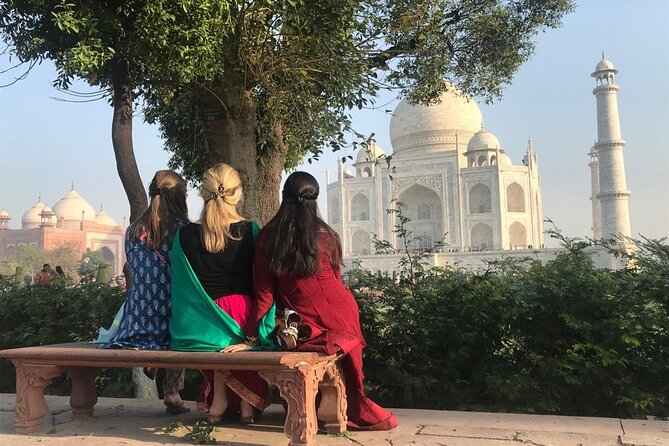
I would choose this tour if you have five days, want the major Golden Triangle sights, and prefer a guide to manage the details. It suits first-time visitors who want help with history, local transport, photography, markets, and restaurant suggestions.
It also fits families or small groups who value a private car and the ability to adjust the pace. The tour is listed as suitable for most participants and offers pickup and drop-off.
I would think twice if you prefer slow mornings, long museum visits, or several free afternoons. The schedule is full, and day three in particular can be tiring. The short duration at Nahargarh Fort also deserves clarification if that stop matters to you.
Free cancellation is available up to 24 hours before the experience begins. Changes or cancellations inside that window are not accepted for a refund.
Should you book it?
Book this five-day Golden Triangle tour if you want efficient coverage with personal support rather than an independent trip. The Taj Mahal sunrise, private transport, experienced English-speaking guides, local markets, and hand block printing class give it more substance than a simple monument checklist.
Before paying, confirm your hotel arrangements, expected entrance fees, the exact guide, the hand block printing schedule, and how much time you will actually spend at Nahargarh Fort. If those details suit you, the tour offers a practical first look at Delhi, Agra, and Jaipur without making you solve every transport and sightseeing problem yourself.
FAQ
How long is the Golden Triangle tour?
The tour lasts approximately five days and covers Delhi, Agra, and Jaipur.
Is the tour private?
Yes. This is a private activity, and only your own group participates.
Is hotel pickup and drop-off included?
Yes. Pickup and drop-off are included, along with transfers and sightseeing in a private air-conditioned car.
Is an English-speaking guide included?
Yes. An English-speaking private guide and escort is included for the tour.
Are monument entrance tickets included?
No. Entry tickets are not included. The guide helps you skip the line to buy tickets.
Are hotels and meals included?
No. Accommodation and meals are not included, though help with hotel bookings is available.
Is the Taj Mahal visited at sunrise?
Yes. The itinerary schedules the Taj Mahal early so you can see it in the morning light before the busiest part of the day.
Is the hand block printing class included?
A hand block printing class in Jaipur is part of the tour experience. The tip for the block printing master is not included.
What is included in the tour vehicle?
The private car includes air conditioning, parking, tollways, state taxes, gasoline, GST, Wi-Fi, bottled water, cookies, snacks, and a soft drink.
Can I cancel for a full refund?
Yes, if you cancel at least 24 hours before the experience start time. Cancellations or changes made less than 24 hours before the start time are not eligible for a refund.
Newly reviewed around New Delhi
- Private Customized Tour Of Old/New Delhi Spiritual Sites★ 5.0 · 5 reviews
- Yoga and Meditation Classes in Gurgaon★ 4.5 · 8 reviews
- Yoga class in Delhi★ 5.0 · 29 reviews
- Old Town Delhi Walking Tour (2 Hours Guided Tour with Local)★ 4.5 · 22 reviews
- 5 Days Golden Triangle Tour with Ranthambore(Delhi Agra Jaipur Ranthambore Tour)★ 5.0 · 3 reviews
- Wonderful Old & New Delhi sightseeing tour★ 5.0 · 3 reviews
- Hidden Gems of Old Delhi – Walk★ 5.0 · 8 reviews
- Delhi Zoo White Tigers & lions with Old Fort Visit★ 4.5 · 5 reviews
Golden Triangle Tours from Delhi, compared.
3-Days Private Golden Triangle Tour: Delhi, Agra & Jaipur by Car
Read our review →3-Days Private Golden Triangle Tour: Delhi, Agra & Jaipur by Car
Read our review →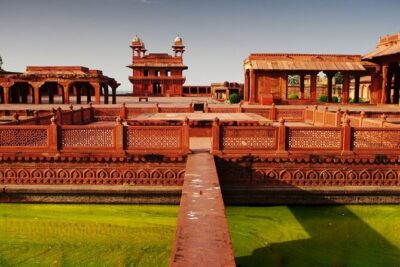
3-Day Delhi, Agra and Jaipur Private Tour – India Golden Triangle
Read our review →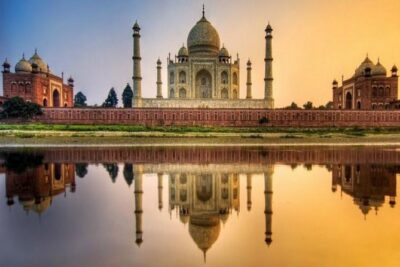
Four-Day Private Luxury Golden Triangle Tour to Agra and Jaipur From New Delhi
Read our review →
5 Nights 6 Days Private Golden Triangle Tour – Delhi Agra Jaipur
Read our review →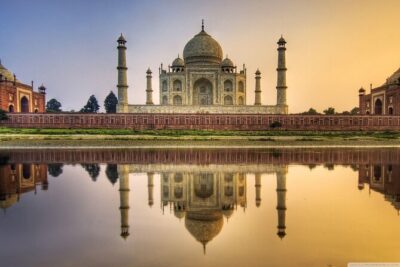

Private Car and Drive for Golden Triangle (4N/5D)
Read our review →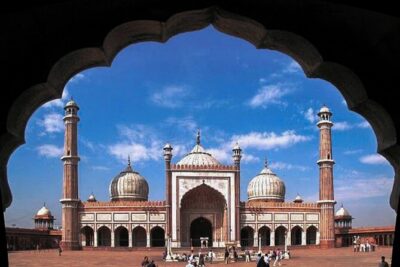
Private Golden Triangle Tour Delhi Agra Jaipur ( Top Rated )
Read our review →Browse the lists this tour appears in