
Reviewed · GOLDEN TRIANGLE TOURS FROM DELHI
5 Days Private Golden Triangle Tour from Delhi
The Taj Mahal, Agra Fort, and Amber Fort give this five-day trip its punch. You move through three very different cities by private air-conditioned car, with a guide in each place and hotel-to-hotel transport included. It is a fast, polished way to see northern India’s most famous sights.
I like the built-in private guiding, which lets you ask questions and adjust the pace. I also like the practical touches: four breakfasts, a tuk-tuk ride in Old Delhi, airport pickup, and a driver who stays with you between Delhi, Agra, and Jaipur. The main drawback is the pace. Delhi alone needs more than one day, and the long road transfers leave little room for wandering.
Key points to know before booking
- Taj Mahal early starts matter: The Agra day begins early, and the site is closed every Friday.
- Delhi packs in seven major stops: Jama Masjid, Chandni Chowk, Humayun’s Tomb, Qutub Minar, Lotus Temple, India Gate, and Rashtrapati Bhavan all fit into one long touring day.
- Private guides shape the experience: Guides including Iqrar, Mohsin, Mohammed, and others are praised for clear explanations, patience, English skills, and photography help.
- Jaipur mixes palaces and military sights: You visit Jaigarh Fort, Hawa Mahal, the City Palace, and Jal Mahal in one full day.
- The $350 price is not fully all-inclusive: Transport, guides, hotel accommodation if selected, and breakfast are covered, but attraction tickets and gratuities are extra.
- The return to Delhi is by road: Day five is mainly a transfer from Jaipur to Delhi, so this tour works best if you have a Delhi departure or onward hotel.
Why this five-day route works
India’s Golden Triangle connects Delhi, Agra, and Jaipur in a neat loop. Each city brings a different chapter: Delhi gives you imperial tombs, mosques, and colonial monuments; Agra focuses on Mughal power and the Taj Mahal; Jaipur adds Rajput forts, pink sandstone, and royal courtyards.
You do not need to plan train tickets, negotiate with several drivers, or arrange separate local guides. One private car and a dedicated tour structure handle the moving parts. That is a real advantage in a country where road traffic, large distances, and crowded sights can make independent planning tiring.
The tradeoff is that this is an overview, not a slow cultural stay. You get a strong first look at the classic sights, but you will not have much free time in any city. If you want markets, neighborhoods, museums, or relaxed meals, add extra nights before or after the tour.
The listed price is $350 per person. For five days, that can be good value if the selected package includes five-star hotels, since private transport and local guides are also part of the package. Read the hotel option carefully, though. The details allow a choice of four-star or five-star accommodation, so the exact property level depends on what you select.
Entrance fees are not included. That matters because several of the headline sights charge admission, including Jama Masjid, Humayun’s Tomb, Qutub Minar, the Taj Mahal, Agra Fort, Jaigarh Fort, Hawa Mahal, and the City Palace. Add those costs to your budget, along with tips.
More Golden Triangle routes from New Delhi:
- 3-Days Private Golden Triangle Tour: Delhi, Agra & Jaipur by Car
★ 5.0 · 1,107 reviews - 3-Days Private Golden Triangle Tour: Delhi, Agra & Jaipur by Car
★ 5.0 · 1,098 reviews - 3-Day Delhi, Agra and Jaipur Private Tour – India Golden Triangle
★ 5.0 · 812 reviews
Day 1: A simple Delhi arrival
The first day is intentionally light. A driver meets you at the airport and takes you to your hotel. There is no scheduled sightseeing, which is sensible after an international flight and gives you time to settle in.
Hotel check-in is listed for 3:00 PM, with check-out at noon. If your flight arrives early, ask in advance how the hotel will handle luggage and early access. The tour includes airport pickup, but the hotel arrangement depends on the package you choose.
This quiet opening also helps prepare you for the next day. Delhi sightseeing starts with a full eight-hour schedule, so a calm arrival day is useful rather than wasted.
Day 2: Delhi from Jama Masjid to Qutub Minar
Delhi is the busiest day of the tour. Your driver takes you from the hotel to meet your guide, then the sightseeing begins. The private format helps here because you can pause, ask for explanations, and take short breaks without coordinating with a large group.
Jama Masjid and Old Delhi
Jama Masjid was built by Shah Jahan in 1656, the same Mughal emperor connected with the Taj Mahal. Its large red sandstone courtyard and broad architectural lines offer a useful introduction to the period before you see Agra’s grand monuments.
Allow about 45 minutes. Admission is extra. Dress respectfully for a religious site, and follow your guide’s instructions about entry and footwear.
From there, you move into Chandni Chowk, one of Old Delhi’s oldest areas. The narrow lanes and crowded market streets are the most local-feeling part of the Delhi day. A tuk-tuk ride is included, which is a smart choice here. Small vehicles fit the old lanes better than a private car, and the ride gives you a quick look at daily commerce and street life.
You get about an hour in Chandni Chowk. That is enough for a taste, not enough for a serious shopping expedition. Keep your attention on the movement around you, and let the guide handle the route.
A few more New Delhi day trips worth putting side by side
- Private 5-Day Ranthambhore Tiger Tour from Delhi including the Taj Mahal, Agra and Jaipur
★ 5.0 · 197 reviews - 5-Day Private Luxury Golden Triangle Tour to Agra and Jaipur From New Delhi
★ 5.0 · 142 reviews - Private Golden Triangle Tour 5 Days Delhi Agra Jaipur
★ 5.0 · 92 reviews - Five Day – Private Luxury Golden Triangle Tour to Agra & Jaipur From New Delhi.
★ 5.0 · 67 reviews
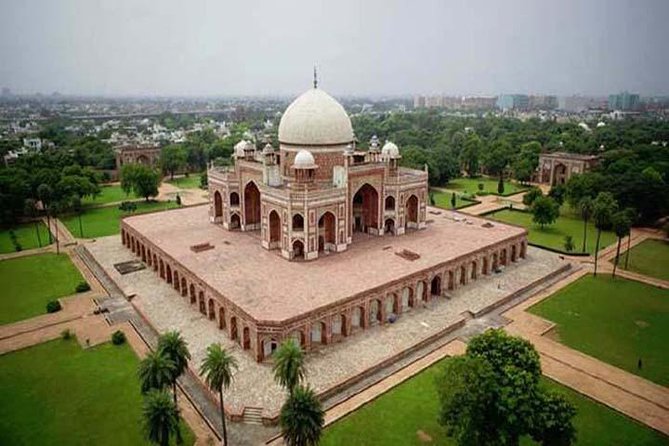
Humayun’s Tomb
Humayun’s Tomb is one of the most important stops in Delhi. Built in the 16th century, it is often described as India’s first garden tomb and it helped shape the design of the Taj Mahal.
The one-hour visit gives you time to appreciate the symmetry, gateways, gardens, and red sandstone details. Admission is extra. This is also a good place to ask your guide to explain how Mughal tomb design developed, since the connection to Agra becomes clearer after seeing this earlier work.
Qutub Minar
At 73 meters high, Qutub Minar is hard to miss. The 13th-century brick minaret is covered with carvings and reflects the Indo-Islamic design traditions that shaped early Delhi.
You have about an hour here, with admission extra. The site is more than a quick photo stop. Look at the changing patterns on the tower and the surrounding remains. A guide can make the carved details and historical shifts easier to follow.
Lotus Temple, India Gate, and Rashtrapati Bhavan
The Lotus Temple offers a change of mood. This Bahá’í House of Worship welcomes people of all faiths and is known for its lotus-shaped design and quiet interior. The visit lasts about 30 minutes and is free, though the temple is closed on Mondays.
India Gate is a short 15-minute stop. It is a war memorial honoring Indian soldiers who died in World War I. You will mainly view it from outside, with the surrounding lawns and eternal flame providing the setting.
Rashtrapati Bhavan, the official residence of India’s president, is another exterior architectural stop. It was originally built as the Viceroy’s House and combines Indian and Western influences. The schedule does not list a separate duration or admission detail, so treat it as a brief viewing rather than a full interior visit.
After Delhi sightseeing, your driver takes you to Agra. The transfer marks the end of a long day. You will arrive at your hotel, either arranged independently or through the selected tour option.
Day 3: The Taj Mahal, Agra Fort, and Fatehpur Sikri
The Agra day begins early. That is not just a scheduling quirk. An early arrival can make the Taj Mahal visit more comfortable and can help you avoid some of the heaviest crowds. One itinerary account describes a 3:00 AM start from Delhi as worthwhile for a quieter Taj Mahal visit, but this five-day plan places you overnight in Agra, which avoids that extreme same-day push.
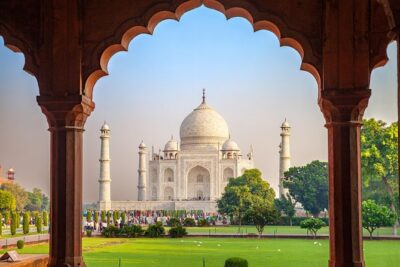
The Taj Mahal
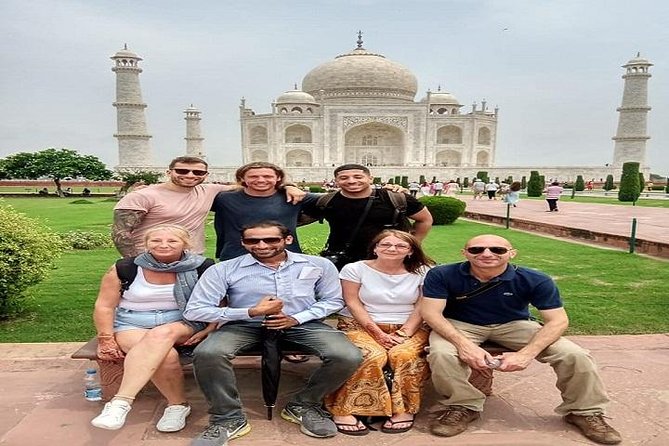
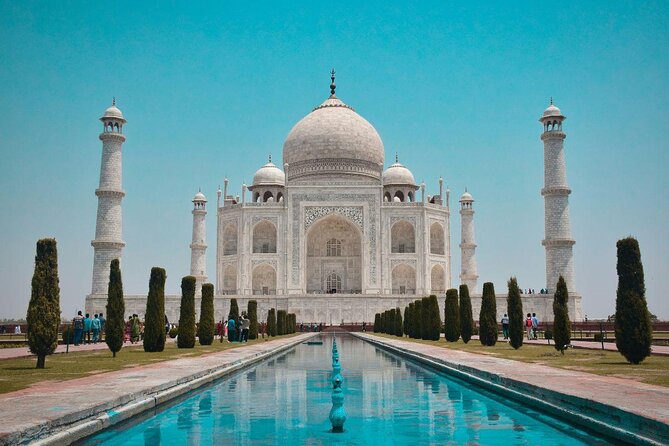
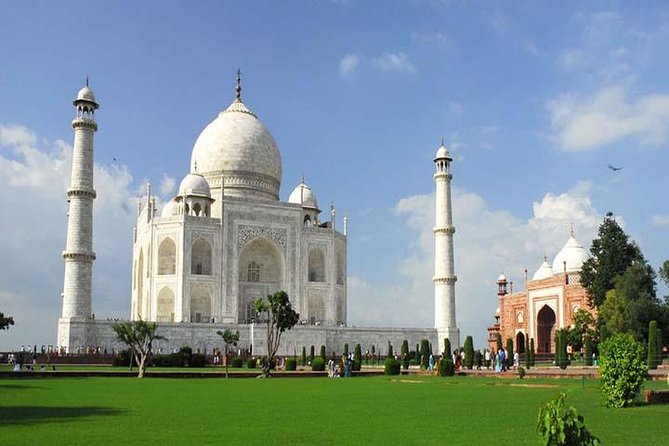
You have about two hours at the Taj Mahal, and that is the right amount of time for a first visit. The white marble mausoleum was commissioned by Shah Jahan in memory of his wife and is known for its exact symmetry, delicate detail, and changing appearance in different light.
Your guide can explain the building’s design and the Mughal setting, while also helping with the practical flow of the visit. Several guides connected with this tour, including Mohammed and Mohsin, have been praised for taking photographs, so you can ask for help with group pictures if your guide offers it.
Admission is not included. The Taj Mahal is closed every Friday, so avoid placing the Agra sightseeing day on that date. Wear comfortable shoes, bring water, and allow time for security procedures.
Agra Fort
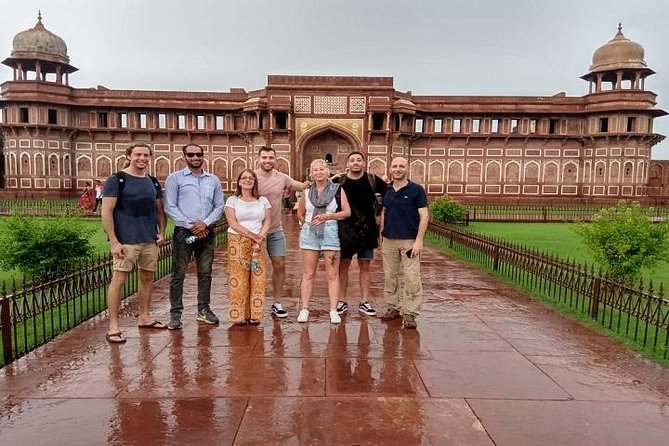
Agra Fort gives you the political setting behind the Taj Mahal. This red sandstone fortress housed Mughal emperors and contains courtyards, palaces, and gardens. From parts of the fort, you can also see the Taj Mahal in the distance.
The scheduled visit lasts about 90 minutes. Admission is extra. I would pay attention to the contrast between the fort’s defensive outer walls and the refined palace spaces inside. It helps you understand that Mughal power was expressed through both military strength and courtly design.
Fatehpur Sikri on the road to Jaipur
After Agra, the route continues toward Jaipur with a stop at Fatehpur Sikri. Emperor Akbar built this red sandstone city in the 16th century as a Mughal capital. Its courtyards, palaces, and Jama Masjid remain remarkably clear in layout.
You get about an hour here. The stop breaks up the drive and adds a different kind of historic site to the tour. Instead of one monument, you see an entire planned imperial center.
After the visit, the driver continues to Jaipur and drops you at your hotel. This is another long road day, so do not expect a leisurely evening in Jaipur. If you have energy, use the night for a relaxed dinner and an early rest before the next full sightseeing day.
Day 4: Jaipur forts, palaces, and pink sandstone
Jaipur receives one full eight-hour touring day. The schedule focuses on the city’s best-known landmarks, with a private guide and driver managing the distances between them.
Jaigarh Fort and the Jaivana cannon
Jaigarh Fort is the first major Jaipur stop. Built in the 18th century, it sits above the city and offers broad views of Jaipur. It is also known for Jaivana, described as the world’s largest cannon.
Plan on about two hours, with admission extra. The fort adds military context to a city often presented mainly through palaces and decorative facades. Bring your attention to the walls, elevated setting, and defensive design rather than treating it as only a photo stop.
Hawa Mahal
The Hawa Mahal, or Palace of Winds, is Jaipur’s most recognizable facade. Built in 1799, it has 953 windows that allowed royal women to watch street life without being seen.
The listed visit lasts 30 minutes, with admission extra. The outside view is the main attraction in this short stop. Ask your guide about the design and the social purpose of the windows, since the honeycomb facade makes more sense when you understand how the palace was used.
City Palace
The City Palace offers a closer look at Jaipur’s royal life. Its courtyards, gardens, and rooms combine Rajasthani and Mughal styles. Mubarak Mahal and Chandra Mahal are among the named spaces.
You have about an hour here, and admission is extra. The visit rewards a slower eye. Look for the changes in materials, colors, and decorative styles from one courtyard to the next. Your guide can help connect the rooms to Jaipur’s ruling family and explain what you are seeing beyond the photo appeal.
Jal Mahal
Jal Mahal is a quick final stop. The five-story Water Palace appears to float on Man Sagar Lake, with hills behind it. You get about 15 minutes and free admission, mainly for the view and photographs.
It is a pleasant way to end the Jaipur route, but do not expect to tour the palace interior. The stop is about the setting and the unusual sight of the building surrounded by water.
You return to your Jaipur hotel for the final night. Since the next morning is the road trip to Delhi, this is not the tour for a late Jaipur nightlife schedule.
Day 5: Jaipur to Delhi by private car
The last day is a transfer rather than a sightseeing day. Your driver takes you from Jaipur to Delhi and drops you at your requested destination.
This arrangement is useful if you are flying from Delhi or staying in the capital afterward. It is less useful if your international flight leaves early, since the road transfer takes part of the day and the exact arrival time can vary with traffic.
The private car is the right tool for this route. You can keep your luggage with you, stop when needed, and avoid arranging a separate Jaipur departure. Still, give yourself plenty of time before a flight and confirm the drop-off plan before departure.
Guides, drivers, and the private format
The strongest human element is the guiding. Iqrar is repeatedly praised for clear English, patience, and strong explanations of culture and history. Mohsin is singled out for photography and for taking care of groups. Mohammed is described as helpful and a good photographer, while other accounts praise drivers such as Neeraj Kumar and Maharaj for being punctual, careful, and patient.
The exact guide and driver are not guaranteed in the tour details, so treat these names as examples rather than promises. What you can expect is a private group, a live guide in each city, and a driver handling the intercity route.
That private setup suits families, older adults, and groups with mixed interests. One account describes a group of seven with young children and elderly family members, which is a useful indication of the tour’s flexibility. You can move at your own group’s pace more easily than on a coach tour, though the major daily schedules remain full.
What the $350 covers, and what it does not
Included features are:
- Private air-conditioned car
- Four nights of accommodation if the hotel package is selected
- Four breakfasts
- Private live guide in each city
- Tuk-tuk ride in Old Delhi
- Tolls and taxes
- Airport and hotel transfers as arranged in the package
Not included are entrance fees and tips. The phrase all-inclusive can therefore be misleading if you read it too quickly. The tour covers the structure of the trip, but you still need a separate admission budget for the monuments.
The value is strongest for first-time visitors who want convenience. Booking a private car, four hotel nights, and several local guides separately could cost more and would require far more planning. The value is weaker if you already have transport and prefer to explore independently.
Free cancellation is available up to 24 hours before the start time for a full refund. Changes or cancellations inside that 24-hour window are not accepted or refunded.
Who should book this Golden Triangle tour?
I would choose this tour if you have five days, want the classic sights, and prefer a driver and guide to handle the practical work. It is especially useful for a first visit, a family group, or anyone who wants private transport without building a complicated route.
I would not choose it as a complete India trip. The schedule is too tight for that. Delhi, Agra, and Jaipur each deserve more time, and the road transfers take up a real part of the experience.
Book it with realistic expectations: you are buying a well-organized introduction, not a slow stay. Confirm the hotel category, ask which language your guides speak, budget for entrance fees and tips, and avoid Friday for the Taj Mahal or Monday for the Lotus Temple. With those details settled, the tour gives you a strong, efficient first taste of India’s most famous northern circuit.
FAQ
How long is the Golden Triangle tour?
The tour lasts approximately five days and includes four nights of accommodation if that option is selected.
Which cities are included?
The route covers New Delhi, Agra, and Jaipur, with a stop at Fatehpur Sikri between Agra and Jaipur.
Is the tour private?
Yes. Only your group participates in the private tour or activity.
Are hotels included?
Four nights of accommodation are included if you select the four-star or five-star hotel option.
Are meals included?
Four breakfasts are included. Other meals are not listed as included.
Are monument entrance fees included?
No. Entrance fees are extra, and the tour information gives an approximate entrance-fee cost separately from the tour price.
Is the Taj Mahal open every day?
No. The Taj Mahal is closed every Friday.
Is the Lotus Temple open every day?
No. The Lotus Temple is closed every Monday.
Newly reviewed around New Delhi
- Private Customized Tour Of Old/New Delhi Spiritual Sites★ 5.0 · 5 reviews
- Yoga and Meditation Classes in Gurgaon★ 4.5 · 8 reviews
- Yoga class in Delhi★ 5.0 · 29 reviews
- Old Town Delhi Walking Tour (2 Hours Guided Tour with Local)★ 4.5 · 22 reviews
- 5 Days Golden Triangle Tour with Ranthambore(Delhi Agra Jaipur Ranthambore Tour)★ 5.0 · 3 reviews
- Wonderful Old & New Delhi sightseeing tour★ 5.0 · 3 reviews
- Hidden Gems of Old Delhi – Walk★ 5.0 · 8 reviews
- Delhi Zoo White Tigers & lions with Old Fort Visit★ 4.5 · 5 reviews
Golden Triangle Tours from Delhi, compared.
3-Days Private Golden Triangle Tour: Delhi, Agra & Jaipur by Car
Read our review →3-Days Private Golden Triangle Tour: Delhi, Agra & Jaipur by Car
Read our review →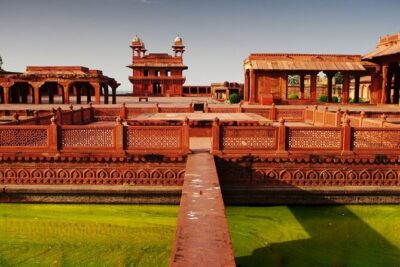
3-Day Delhi, Agra and Jaipur Private Tour – India Golden Triangle
Read our review →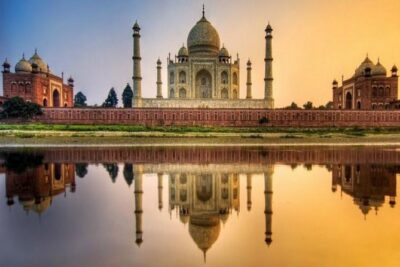
Four-Day Private Luxury Golden Triangle Tour to Agra and Jaipur From New Delhi
Read our review →
5 Nights 6 Days Private Golden Triangle Tour – Delhi Agra Jaipur
Read our review →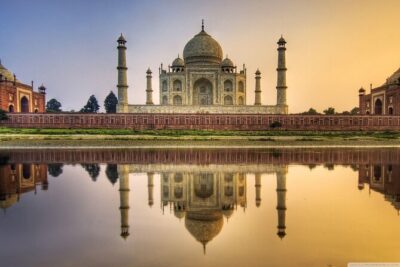

Private Car and Drive for Golden Triangle (4N/5D)
Read our review →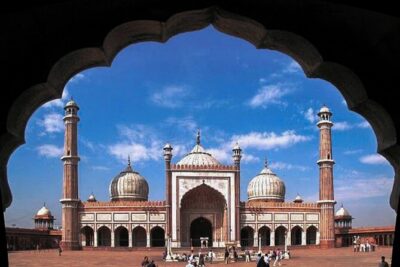
Private Golden Triangle Tour Delhi Agra Jaipur ( Top Rated )
Read our review →Browse the lists this tour appears in