

Reviewed · RAJASTHAN TOURS FROM DELHI
12 Days Golden Triangle With Udaipur Jodhpur Jaisalmer Pushkar
The Taj Mahal at sunrise is the emotional high point here, but the real appeal is the full sweep of North India in one private journey. You move from Mughal Delhi and Agra to pink Jaipur, lake-filled Udaipur, blue Jodhpur, golden Jaisalmer, and holy Pushkar without having to arrange each transfer yourself.
I like the private vehicle and changing local guides, which give you a fixed driver for long road days and a specialist voice at each major sight. I also like the range: stepwells, forts, markets, temples, desert, and grand palaces all make the trip feel broader than a standard Golden Triangle route.
The main consideration is road time. Several transfers take six to eight hours, and the listed plan has a few timing details worth confirming before you pay, especially the hotel package, the Jaisalmer desert stay, and the unusually long entry for Chand Baori.
Key points at a glance

- Sunrise at the Taj Mahal: Visit the monument early, then see Agra Fort and the smaller Baby Taj.
- A private road journey: Your group travels in a sedan, wagon, or minivan with an air-conditioned vehicle and driver.
- Seven distinct destinations: Delhi, Agra, Jaipur, Udaipur, Jodhpur, Jaisalmer, and Pushkar each bring a different setting and story.
- Local guides in each city: Guides lead the sightseeing, while drivers handle the long connections between cities.
- A strong Rajasthan section: Jaipur’s palaces, Udaipur’s lakes, Jodhpur’s fort, and Jaisalmer’s desert give the tour its variety.
- A $720 starting point: The price can offer good value, but check if your chosen rate includes hotels, meals, and entry fees.
Why this 12-day route works

This is not a quick three-city Golden Triangle trip. Delhi, Agra, and Jaipur are joined to four Rajasthan stops, so you get a fuller look at northern India.
The route begins in Delhi and then heads south to Agra before turning west through Rajasthan. That makes geographic sense, though it also means long drives. You should think of this as a sightseeing road trip, not a relaxing hotel holiday.
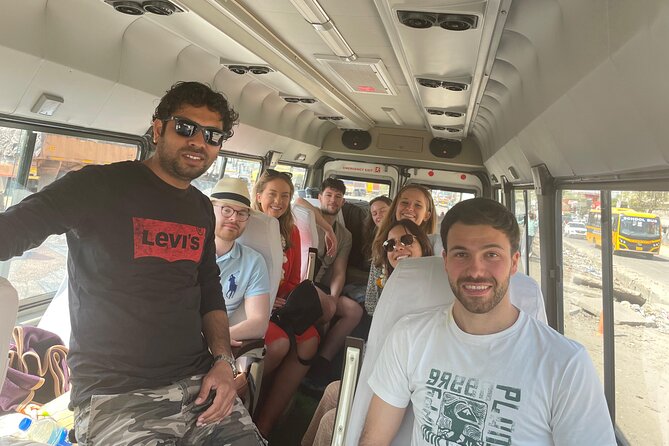
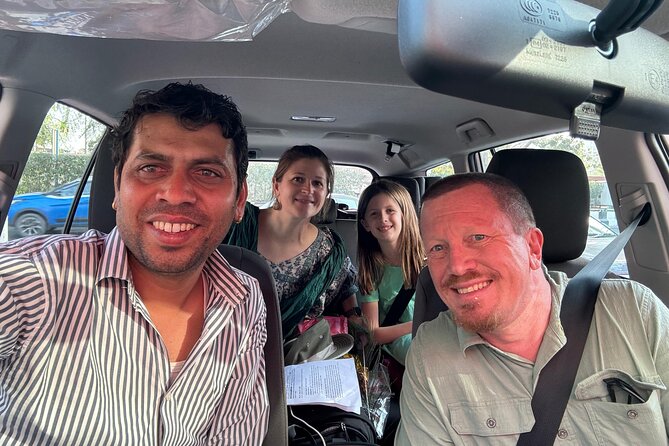
The private format matters. You are not tied to a large group’s pace, and the itinerary can allow extra time at a monument or skip a stop such as Bagore Ki Haveli if you prefer. Vehicles are assigned by group size: a four-seat sedan for one or two people, a six-seat wagon for three or four, and a 10-seat minivan for five to 10.
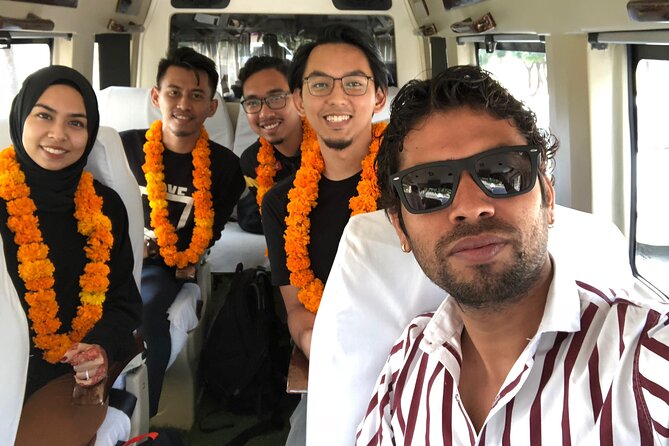
The tour has received a 4.8 rating from 17 ratings, with 94 percent recommending it. The strongest praise centers on punctual drivers, comfortable transport, and smooth coordination between the driver and local guides. Names connected with the operation include owner Gopal and drivers Surendra, Vinod, and Maan. Your actual driver may differ, so confirm that before departure.
More Rajasthan circuits from New Delhi:
- 8-Day Golden Triangle & Rajasthan Private Tour from Delhi
★ 5.0 · 134 reviews - 12-Days – Splendors of Golden Triangle & Rajasthan
★ 5.0 · 72 reviews - 14 Days Golden Triangle with Wildlife Safari & Heritage Rajasthan
★ 5.0 · 37 reviews
Delhi: Sikh devotion, Mughal monuments, and Old Delhi noise
The first day is light, beginning at Gurudwara Bangla Sahib. This Sikh shrine is known for its large water tank and the story of the eighth Sikh Guru helping people during smallpox and cholera outbreaks. You have about 30 minutes here, enough to see the shrine area and get an early look at Sikh hospitality and worship.
Day two is packed. Qutub Minar is the major early stop, a 73-meter, five-level tower begun by Qutub-ud-din Aibak in 1193. Give yourself time to look beyond the tower at the surrounding complex, where older stonework and carved details help explain why the site has UNESCO status.
The Lotus Temple gives you a sharp change of mood. Its white, flower-shaped design opened in 1986 and welcomes people of all religions. The visit lasts about 30 minutes, so this is more of an architectural and quiet pause than a long museum visit.
India Gate and Parliament House are primarily viewed from outside. India Gate honors soldiers of British India who died in wartime, while Parliament House represents the country’s modern political center. These stops are useful for orientation, though they are less intimate than the older religious and royal sites.
Jama Masjid brings you back to Mughal Delhi. Built by Shah Jahan between 1650 and 1656, it is one of India’s largest mosques. Agrasen Ki Baoli, a protected stepwell, is a much smaller stop, but its descending geometric steps make it a good contrast to the city’s grand monuments.
Humayun’s Tomb deserves the full hour allowed. Commissioned by Empress Bega Begum in 1558, it is an important early Mughal monument and helps you see the design ideas that later appeared in greater scale at the Taj Mahal.
Finish in Chandni Chowk, where spice shops, dried fruit, silver jewelry, saris, and narrow lanes create the most everyday Delhi experience on the route. Expect crowds and traffic. Keep your group together and do not plan this as a calm stroll.
Qutub Minar and Humayun’s Tomb list entry fees separately. The same applies to several major monuments throughout the tour, so budget for tickets beyond the tour price.
Agra: three Taj Mahal views and the Mughal court
The drive from Delhi to Agra uses the Yamuna Expressway and takes about four hours. That is a relatively efficient connection, but Day 3 still includes a lot once you arrive.
The sunset viewpoint across the river offers a different look at the Taj Mahal. From this side, you see the monument away from the main crowd, with the changing evening light as the focus. Mehtab Bagh provides a garden setting nearby and is another useful place for photographs.
Itmad-ud-Daula, often called the Baby Taj, takes only about 30 minutes but is worth your attention. Its delicate work and smaller scale show another side of Mughal tomb design. I would not treat it as a substitute for the Taj Mahal, but it makes the main monument easier to understand.
Day four begins with the Taj Mahal at sunrise. The two-hour visit includes the transfer by battery bus from the parking area to the monument, which is included. Sunrise makes this the best time for many people because the light is soft and the air can feel less harsh than later in the day.
Agra Fort follows. This large red sandstone complex includes court spaces and palace buildings associated with Mughal rulers. Your local guide is especially useful here because the fort is more than a single impressive wall. Without context, it can be easy to walk through the courtyards without understanding their purpose.
Fatehpur Sikri was Emperor Akbar’s capital for roughly a decade in the late 16th century. The complex is a worthwhile stop on the road to Jaipur, with broad courtyards and monumental buildings. Chand Baori, near Abhaneri, is one of India’s great stepwells, descending about 30 meters into the ground.
The timing shown for Chand Baori is unusual, listing one day and six hours. Treat that as a schedule error and ask the operator how much time is actually planned there. The intended visit is clearly a stop on the route to Jaipur, not an overnight stay.
Jaipur: Amber Palace and the geometry of the Pink City
Jaipur receives a full sightseeing day, which is welcome after the previous transfers. Start at Panna Meena ka Kund, a stepwell near Amber Fort. It is a short visit, but the symmetrical steps make it one of the more photogenic small stops.
Amber Palace gets two hours and deserves it. Once the capital of Rajasthan until 1728, the palace combines defensive walls, courtyards, and decorated royal spaces. A guide can help you separate the palace’s practical military role from its ceremonial rooms.
Jal Mahal is a quick roadside photo stop. The palace appears to float in Man Sagar Lake, though you should not expect an extended interior visit here.
The City Palace offers a fuller look at Jaipur’s royal administration and ceremonial life. Allow an hour for its rooms, collections, and courtyards. Nearby Jantar Mantar is a UNESCO-listed group of 19 astronomical instruments built in 1734 by Sawai Jai Singh II. This is one of the places where a guide adds real value because the instruments make far more sense when someone explains how they measured time and celestial positions.
Hawa Mahal is best known for its pink and red sandstone façade, with its many small openings facing the street. The listed visit is only 30 minutes, so treat it as a focused stop rather than a full palace tour.
Albert Hall Museum receives 15 minutes, which is brief for a state museum. If you enjoy museums, ask whether more time can be shifted here from another stop. Jaipur’s schedule is full, and monument entry fees are generally separate.
More Golden Triangle routes from New Delhi:
- 3-Days Private Golden Triangle Tour: Delhi, Agra & Jaipur by Car
★ 5.0 · 1,107 reviews - 3-Days Private Golden Triangle Tour: Delhi, Agra & Jaipur by Car
★ 5.0 · 1,098 reviews - 3-Day Delhi, Agra and Jaipur Private Tour – India Golden Triangle
★ 5.0 · 812 reviews - Four-Day Private Luxury Golden Triangle Tour to Agra and Jaipur From New Delhi
★ 5.0 · 807 reviews
Udaipur: lake views and a slower royal afternoon
The drive from Jaipur to Udaipur takes about eight hours. This is one of the longest road days, so start early and keep your expectations realistic. After checking in, the plan includes local markets and dinner at a restaurant of your choice, though dinner itself is not included.
Day seven is easier. Lake Pichola is the centerpiece, with the option of a private boat ride and views toward Jagmandir Palace island. Boat fees are separate, and the ride is an optional expense rather than a built-in inclusion.
Udaipur City Palace sits beside the lake and receives two hours. Its collections include weapons, guns, sedan chairs, tiger cages, and photographs. The palace also gives you broad views over the water and the city, making it one of the most rewarding stops for combining architecture with scenery.
Jagdish Temple adds a religious site to the day. Built in the Indo-Aryan style, it is located near the City Palace complex and takes about 45 minutes. Bagore Ki Haveli Museum follows, with an hour scheduled. The plan specifically allows you to skip it if you prefer, useful if you would rather spend more time around the lake.
Jodhpur: the Blue City below Mehrangarh Fort
The drive from Udaipur to Jodhpur takes about six hours. After checking in, you visit the Clock Tower Market, a good first introduction to Jodhpur’s old center. The clock tower dates from the reign of Maharaja Sardar Singh, between the late 19th and early 20th centuries.
Mehrangarh Fort is the main event on Day 9. The 15th-century fort sits on a rocky outcrop above the walled city, with displays of weapons, paintings, and royal sedan chairs. Two hours gives you a solid visit, though the fort is large enough that you should listen carefully to your guide and focus on the sections that interest you most.
Umaid Bhawan Museum offers a different royal setting. The palace is one of the world’s largest private residences and uses golden-yellow sandstone. Jaswant Thada, a marble cenotaph for the rulers of Marwar, is a quieter final stop before the long move toward Jaisalmer.
Jaisalmer: a living fort and the Thar Desert

The journey onward to Jaisalmer leads into the Thar Desert. The schedule places a visit to Sam in the late afternoon for a desert safari, followed by an overnight stay. The exact accommodation and whether the night is in a hotel or desert camp should be confirmed, since the accommodation wording is not fully clear.
Jaisalmer Fort is unusual because people still live inside it. That makes it more than a preserved monument. You will see a working neighborhood within the golden sandstone walls, though you should respect homes, shops, and religious spaces as you walk.
The havelis are the city’s architectural prize. Patwon Ki Haveli is known for ornate façades and detailed stone screens. Salim Singh Ki Haveli dates to 1815 and was built for a prime minister, while Nathmal Ji Ki Haveli is noted for its elaborate late 19th-century design.
Gadisar Lake closes the sightseeing day with a calmer setting. It was first built by Raja Rawal Jaisal and later reconstructed by Maharawal Gadsi Singh in 1367. The lake gives you a useful break after the fort and havelis.
Pushkar: Brahma, sacred water, and the final road to Delhi

The route reaches Pushkar on Day 11, with a hotel check-in before the Brahma Temple visit. This temple is notable because Brahma temples are rare, and the guide explains the religious story behind its importance.
Pushkar Lake and Brahma Ghat follow on Day 12. Families come to the ghats for prayers, blessings, and ceremonies honoring the dead. Dress modestly and follow instructions around rituals. Photography is part of the planned experience, but ask before photographing people during worship.
The final drive to Delhi is listed as approximately five hours, though the day’s total timing is shown as seven hours. That difference may include stops and city traffic. Your return point is Delhi, not an airport transfer unless you arrange that separately.
What the $720 price really covers
At $720 per person, the tour can be good value for a private 12-day route, especially if you are sharing the vehicle and selecting the option with nine nights of accommodation. The price includes private transport, hotel or airport pickup and drop-off, local guides, mineral water during journeys, daily breakfast when the hotel option is selected, and the Taj Mahal battery bus.
It does not include monument entry fees, lunch, dinner, tips, insurance, flights, trains, laundry, or personal spending. Those exclusions matter because this route visits many paid forts, palaces, and tombs.
The room policy is twin sharing by default. Three people generally share one room, while two rooms for three people cost extra. Ask for the exact hotel list before booking, since the price depends on the selected accommodation option.
Who should book this journey
I would choose this tour if you want one point of contact, a private car, and a broad first visit to northern India. It suits couples, families, and small groups that value convenience more than independent rail travel.
It is also a good fit if you want a driver who stays with you while local guides change from city to city. That division works well: your driver handles the roads, while each guide explains the monuments.
I would hesitate if you dislike long drives or want slow mornings. The Jaipur sightseeing day is full, and the Jaipur to Udaipur, Udaipur to Jodhpur, and Jodhpur to Jaisalmer connections require patience.
Should you book it?
Book it if the idea of seeing the Taj Mahal, Rajput forts, desert towns, lakes, markets, and Pushkar in one private trip sounds worth the road time. The strongest reasons are the private transport, the broad route, and the repeated local guide support.
Before paying, confirm the hotel category, the Jaisalmer overnight arrangement, exact monument fees, the Chand Baori timing, and the return plan to Delhi. If those details match your needs, the $720 rate offers a practical way to cover a large part of North India without managing every transfer yourself.
FAQ
Where does the tour start?
The stated meeting point is Indira Gandhi International Airport in New Delhi.
How long does the experience last?
The tour lasts approximately 12 days.
Is this a private tour?
Yes. Only your group participates in the private tour or activity.
What type of transportation is provided?
Transport is by private, air-conditioned vehicle with a driver. Groups of one or two use a four-seat sedan, groups of three or four use a six-seat wagon, and groups of five to 10 use a 10-seat minivan.
Are hotels included?
Nine nights of accommodation are included if you select the booking option that includes hotels. Rooms are generally twin-sharing, with triple-sharing used by default for a booking of three people.
Are meals included?
Daily hotel breakfast is included when you book the hotel option. Lunch and dinner are not included.
Are monument entrance fees included?
No. Monument entrance fees are not included and must be paid separately.
Can I cancel for a full refund?
Yes, if you cancel at least 24 hours before the experience start time. Cancellations within 24 hours are not refunded, and changes within that period are not accepted.
Newly reviewed around New Delhi
- Private Customized Tour Of Old/New Delhi Spiritual Sites★ 5.0 · 5 reviews
- Yoga and Meditation Classes in Gurgaon★ 4.5 · 8 reviews
- Yoga class in Delhi★ 5.0 · 29 reviews
- Old Town Delhi Walking Tour (2 Hours Guided Tour with Local)★ 4.5 · 22 reviews
- 5 Days Golden Triangle Tour with Ranthambore(Delhi Agra Jaipur Ranthambore Tour)★ 5.0 · 3 reviews
- Wonderful Old & New Delhi sightseeing tour★ 5.0 · 3 reviews
- Hidden Gems of Old Delhi – Walk★ 5.0 · 8 reviews
- Delhi Zoo White Tigers & lions with Old Fort Visit★ 4.5 · 5 reviews
Rajasthan Tours from Delhi, compared.

8-Day Golden Triangle & Rajasthan Private Tour from Delhi
Read our review →
12-Days – Splendors of Golden Triangle & Rajasthan
Read our review →
14 Days Golden Triangle with Wildlife Safari & Heritage Rajasthan
Read our review →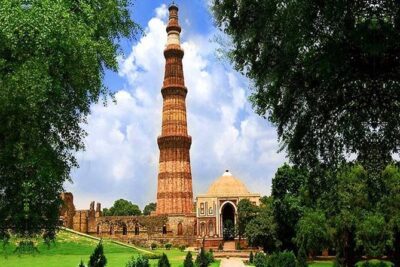
Private Golden Triangle Tour With Jodhpur From Delhi
Read our review →
7-Days Private Golden Triangle with Pushkar Yoga Spiritual Tour
Read our review →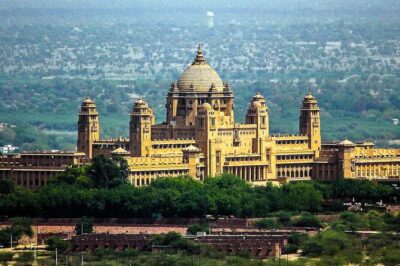
Rajasthan:- Maharaja Places of Royal Rajasthan 07- Days Tour
Read our review →
8 Days Delhi Agra Ranthambore Udaipur Jaipur Delhi Tour(Taj, Tigers & Lakes)
Read our review →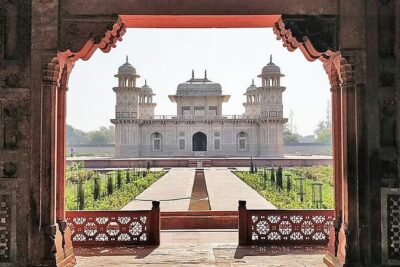
Golden Triangle India: 5-Day Delhi, Agra, Jaipur & Pushkar Tour
Read our review →Browse the lists this tour appears in